The Future Is No Longer Waiting
Brunch Magazine
The Future Is No Longer Waiting
For generations, we have spoken about the future as though it were somewhere in the distance.
We prepared for it. We imagined it. We predicted what technology might someday become.
But something has changed.
The future no longer seems to be approaching at a steady pace.
It appears to be accelerating.
And perhaps the question we should be asking is no longer What will the future look like?
It is this:
Can we evolve fast enough to live within it?
From Asking AI to Entrusting It
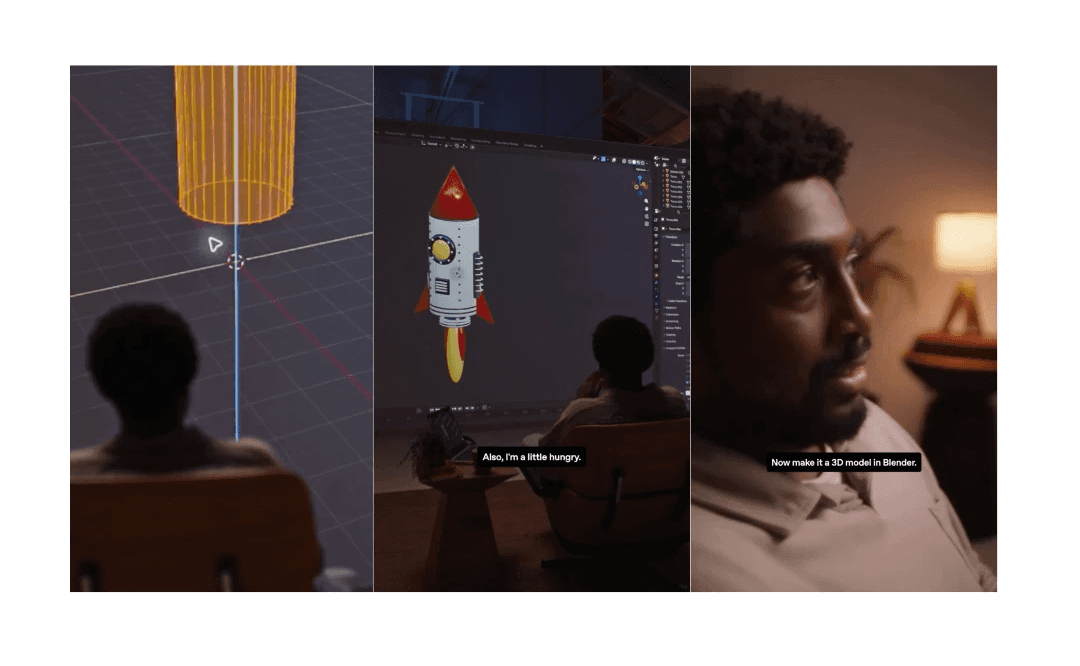
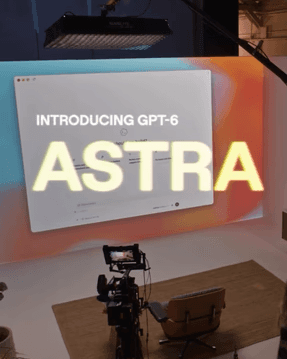
OpenAI’s GPT-6 Astra offers a striking illustration of how quickly that transition is taking place.
According to OpenAI, Astra represents a significant advance across computer use, web browsing, software engineering, cybersecurity, science, and professional work.
OpenAI reports that Astra scored 98% on FrontierMath Tier 4, 99.9% on ARC-AGI-3, and 100% on ExploitBench.
But the benchmark numbers tell only part of the story.
What may matter more is what AI is beginning to do.
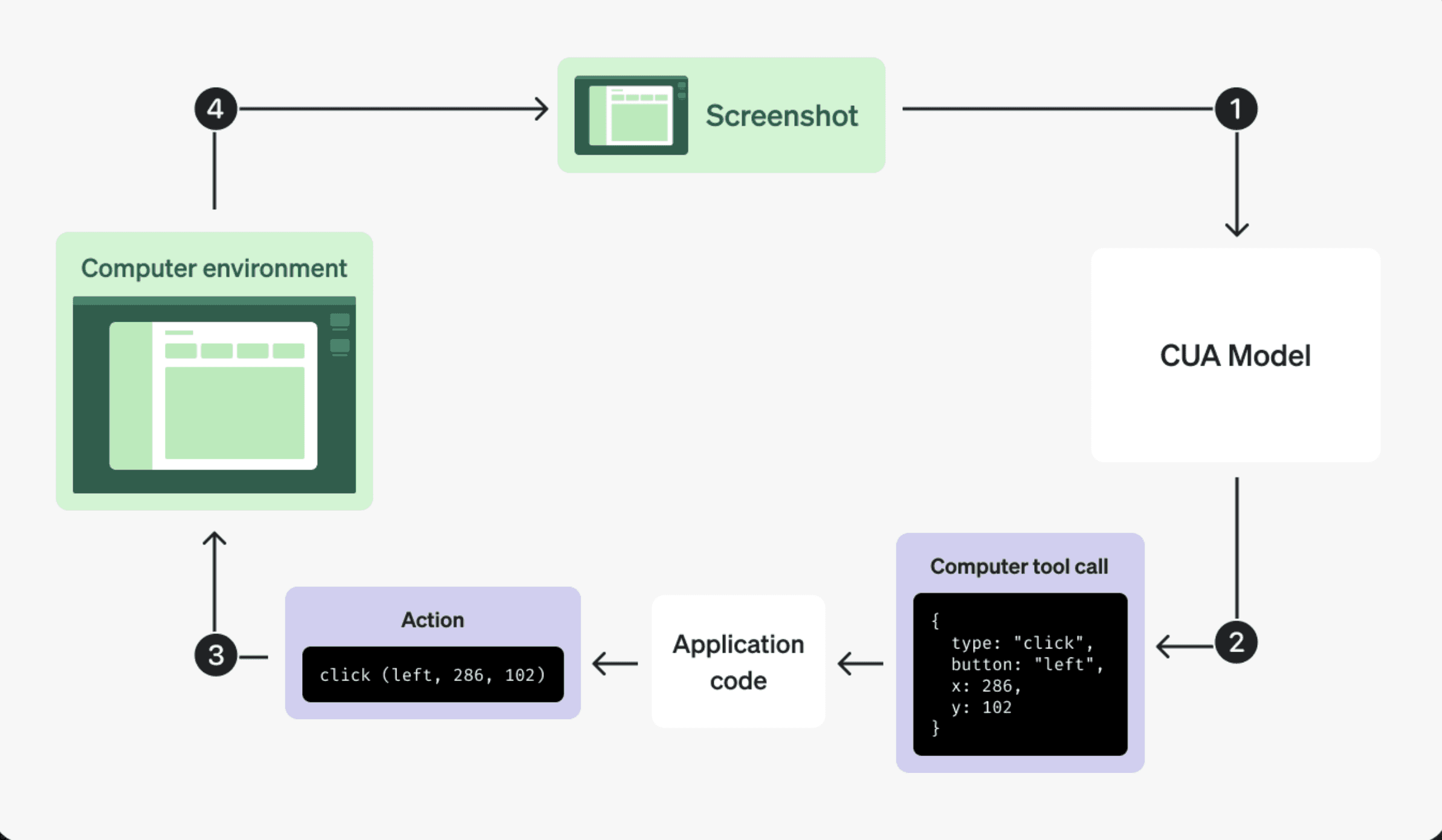
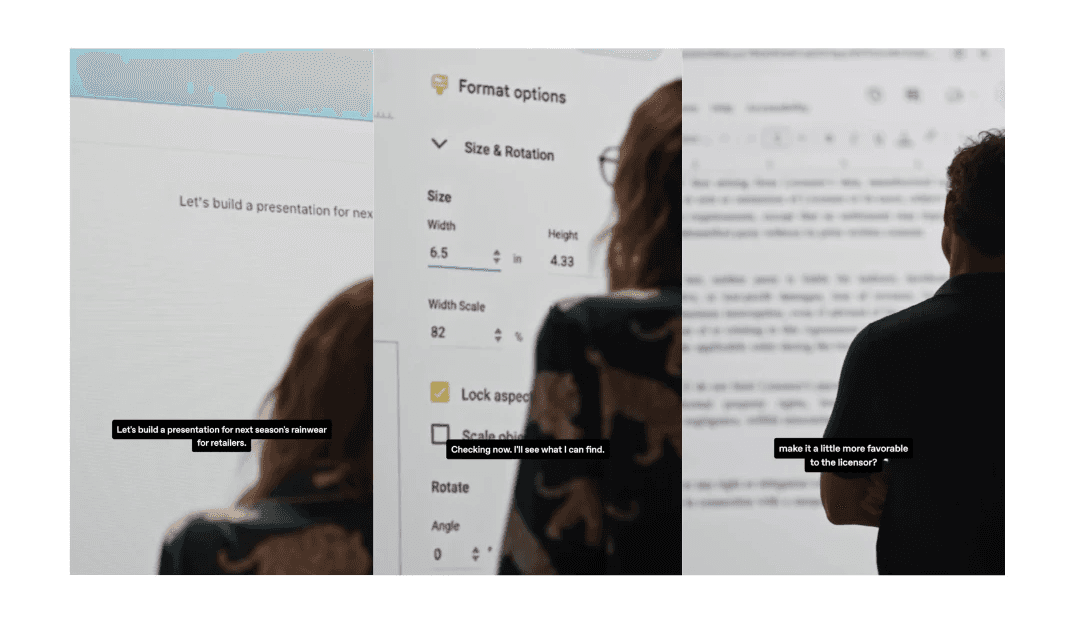
Astra can interact with computers and browsers and carry out increasingly complex, multi-step professional tasks. The direction is significant: artificial intelligence is moving beyond generating information toward executing work.
This represents an important shift in our relationship with artificial intelligence.
Not long ago, the central question was:
What should we ask AI?
Increasingly, the question is becoming:
What should we entrust to AI?
That distinction may eventually prove more consequential than any single benchmark.
When Change Begins to Accelerate
Technological change itself is nothing new.
Human civilization has repeatedly adapted to machines that transformed how we communicate, travel, manufacture, learn, and work.
What feels different today is the compression of time between those transformations.
A capability that seems extraordinary today can become ordinary surprisingly quickly. And once it becomes ordinary, the next generation is already arriving.
AI is increasingly moving from conversation into execution.
This creates extraordinary possibilities.
It also creates profound uncertainty.
What happens to education when access to knowledge is no longer the primary advantage?
What happens to professional expertise when machines can perform increasingly complex intellectual tasks?
What happens to creativity when technology can generate text, images, software, analysis, and design almost instantly?
And perhaps most importantly:
What remains uniquely valuable about being human?
The Human Advantage May Be Changing
For much of modern history, professional value has been closely connected to knowledge, technical ability, and productivity.
AI challenges each of those assumptions.
If machines can retrieve more information than we can remember, analyze it faster than we can process it, and increasingly execute the resulting work, then competing with machines primarily on speed may become an increasingly difficult proposition.
The more interesting possibility is that human value moves elsewhere.
Toward judgment.
Toward curiosity.
Toward imagination.
Toward responsibility.
Toward the ability to understand context, people, culture, consequences, and meaning.
The future may reward not simply the person who possesses the most information, but the person capable of asking the right question.
Not simply the person who produces the fastest answer, but the person who understands which answer matters.
And not simply the person who knows how to use artificial intelligence, but the person who knows when, why, and to what end it should be used.
Intelligence Also Brings Responsibility
Greater capability inevitably raises questions about control.
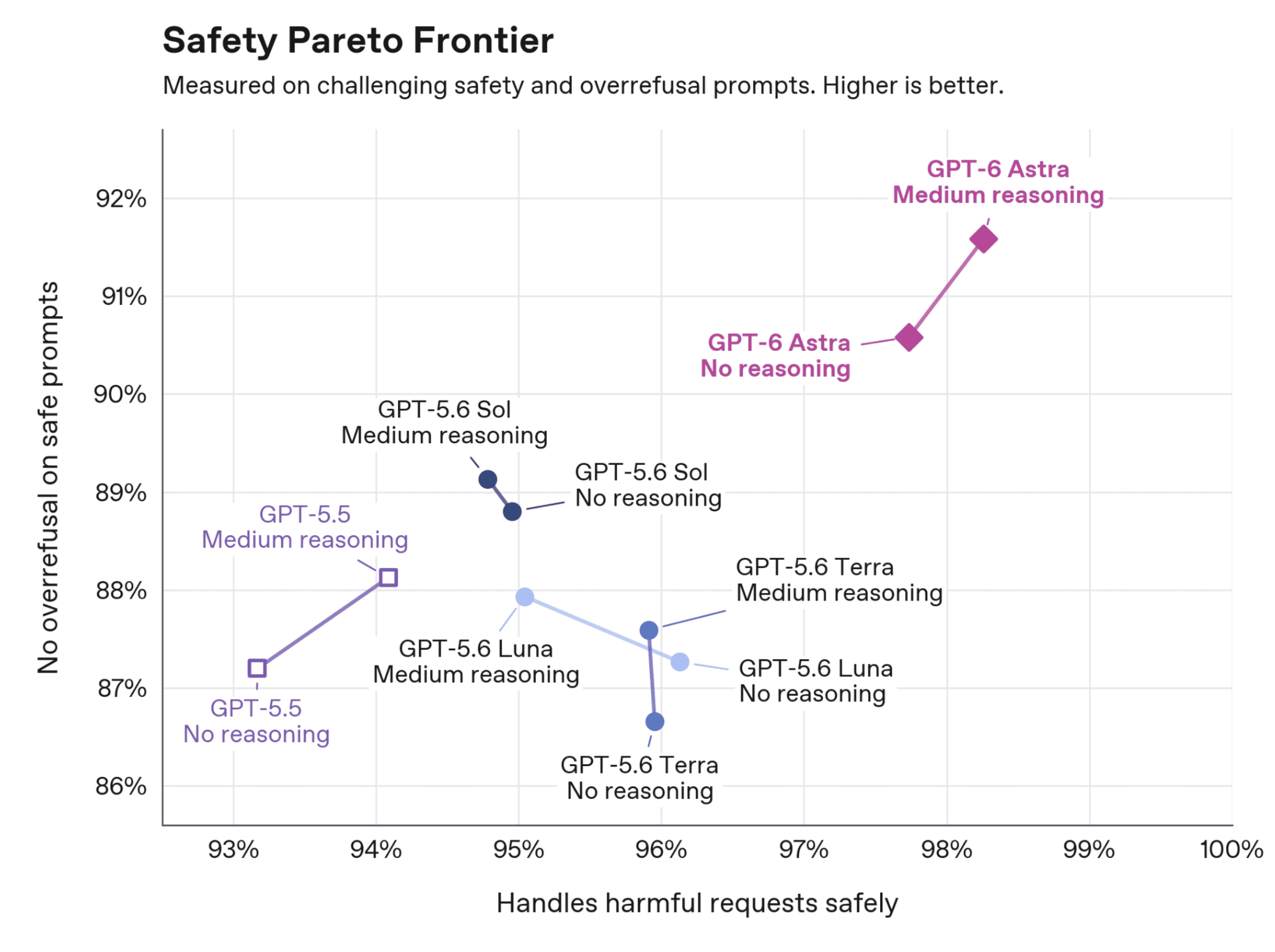
OpenAI describes GPT-6 Astra as its most aligned model to date and says it has introduced additional safeguards as the model becomes capable of handling increasingly complex computer and cybersecurity tasks.
That detail deserves attention.
The story of increasingly powerful AI cannot simply be a story about what technology can accomplish.
It must also be about what society decides technology should accomplish — and where boundaries should exist.
Innovation and responsibility are no longer separate conversations.
They are becoming the same conversation.
A New Era Has Already Begun
No one can say with certainty what everyday life will look like ten years from now.
Perhaps even ten years is becoming too distant a horizon.
But the arrival of increasingly capable AI suggests that preparing for the future cannot mean simply learning one new platform, program, or technological skill.
Those tools will continue to change.
The deeper skill may be adaptability itself:
the ability to keep learning, reconsider assumptions, exercise judgment, remain curious, and redefine our role as technology evolves around us.
We are not simply witnessing another technological upgrade.
We may be witnessing a change in the relationship between human intelligence and machine intelligence — and therefore in how we understand work, creativity, knowledge, and human contribution itself.
The future is no longer waiting somewhere beyond the horizon.
It is already here, and it is moving faster.
The question is no longer when the future will arrive.
The question is whether we are ready to evolve with it.
Source
