Dafna Zur: Building Bridges Between Cultures
Brunch Magazine
It takes time to understand a country.
Learning its language, reading its literature, and studying its history do not necessarily mean that we fully understand its culture. Only when we begin to see the memories and values of the people who have lived within it and what they have chosen to teach their children does the deeper character of a culture gradually come into view.
This is how Dafna Zur has come to know Korea.
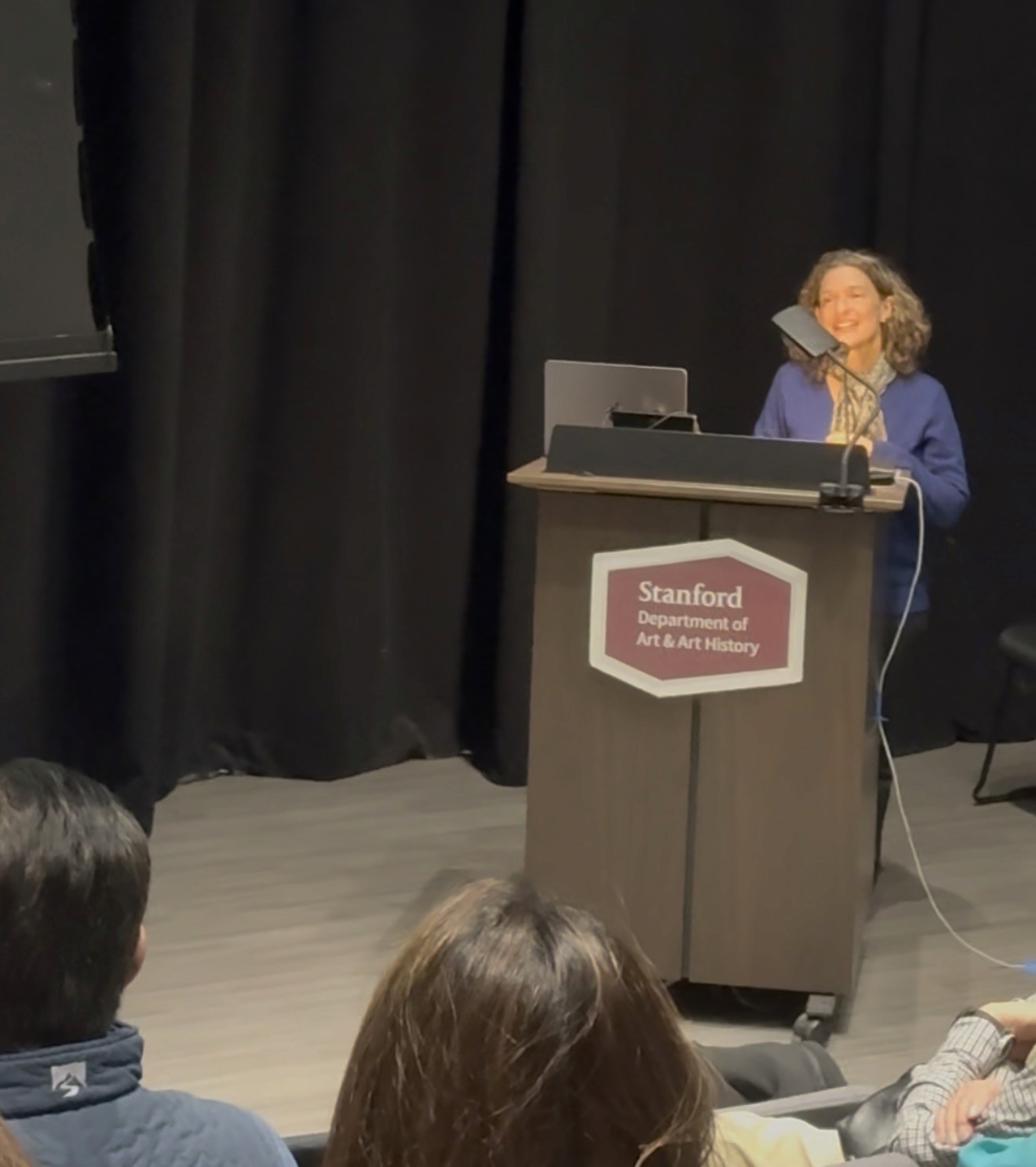
At first glance, her biography reads as that of a scholar of Korea: she studied Asian Studies at the Hebrew University of Jerusalem, earned her M.A. and Ph.D. in Asian Studies at the University of British Columbia, and went on to teach and research Korean literature, cinema, and popular culture at Stanford University.
© Brunch Magazine
Look more closely, however, and another portrait emerges.
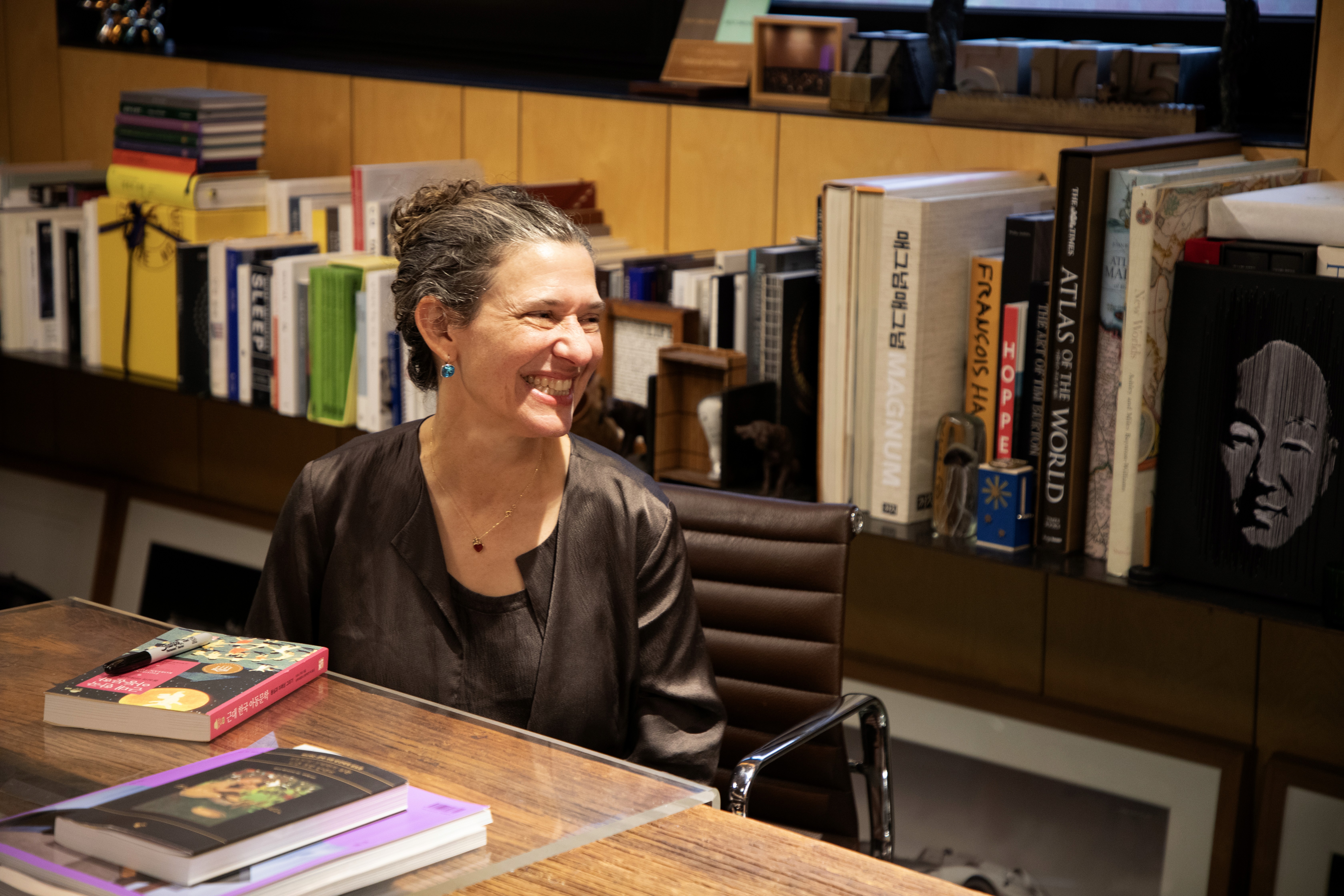
She is a translator and an educator. A scholar of children and literature. Someone who has helped build, in the middle of an American forest, a place where young people can experience Korean language and culture as something lived rather than merely studied.
And running through all of these pursuits is a single question:
How is culture passed from one person to another? And through culture, what kind of people do we hope to raise?
© Allen KIM | Brunch Magazine
To Understand a Society, Look at Its Children
Children have long occupied an important place in Zur’s scholarship.
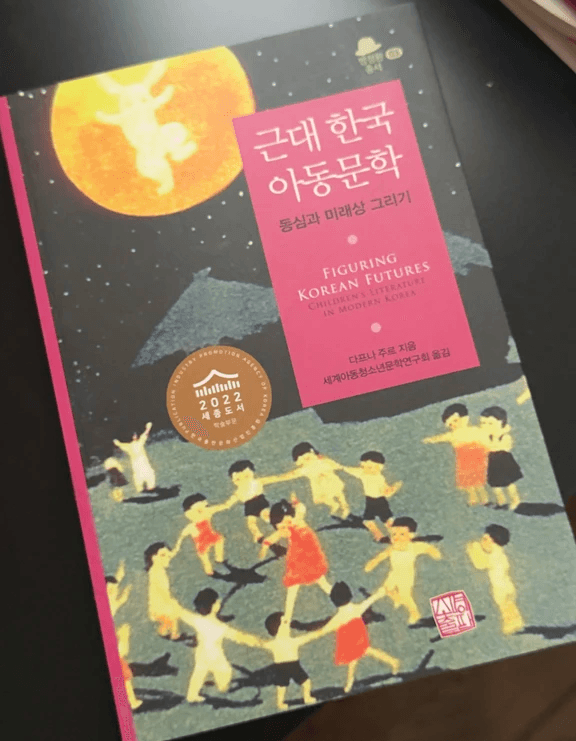
In her 2017 book, Figuring Korean Futures: Children’s Literature in Modern Korea, she examines modern Korean children’s literature to understand what a society expected of its children and what kind of future it imagined through them. Her current research continues this inquiry through postwar North and South Korean science and literary youth magazines, with particular attention to moral education.
The question of what we teach children is, ultimately, inseparable from the question of what kind of society we hope to create.
What is right?
How should we live with others?
How should we encounter people and cultures different from our own?
What kind of person should one become?
Education does not end with the transmission of knowledge. It also shapes how a person sees the world and how that person learns to live alongside others.
Seen this way, Zur’s scholarship on children’s literature and her work as an educator are not two separate worlds.
Both are ultimately concerned with the next generation.
© Brunch Magazine
What It Means to Learn a Language
Zur learned Korean, studied Korean literature, and began translating Korean stories into English.
Her work as a translator and scholar has helped Korean literature travel beyond the language in which it was written, while her teaching at Stanford has introduced generations of students to Korean literature and culture.
But language is more than a means of communication.
Within a language reside the ways people think and relate to one another their humor and sorrow, their manners, memories, and ways of understanding the world.
Learning another language, then, eventually becomes an attempt to understand someone else’s world.
Zur has spoken about the importance of learners developing an “emotional relationship” with the language they are studying.
The phrase could just as easily describe the larger arc of her own life.
For her, Korean became more than an object of academic study.
It became a relationship sustained over decades.
Sup sogŭi Hosu
© Heesoon Lim
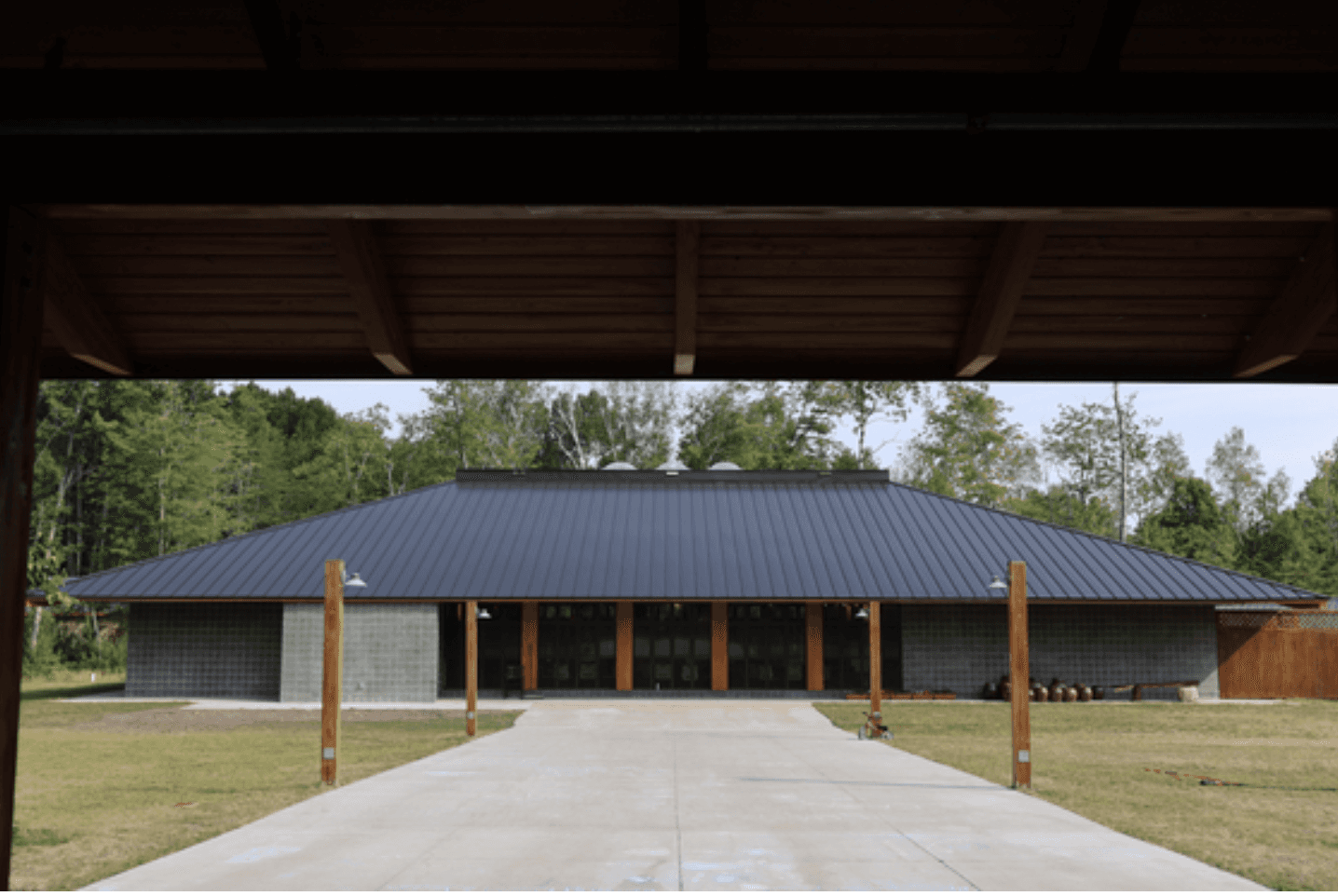
That relationship found one of its most tangible expressions in the forests of Minnesota, at Sup sogŭi Hosu, the Korean Language Village of Concordia Language Villages.
Zur’s connection to the Village was not formed overnight.
She first arrived in 2000 as a counselor. Over the years, she returned in many roles: Taekwondo instructor, Korean language teacher, lifeguard, business manager, assistant dean, and eventually Dean.
More than two decades with a single community says something that a title alone cannot.
© Heesoon Lim
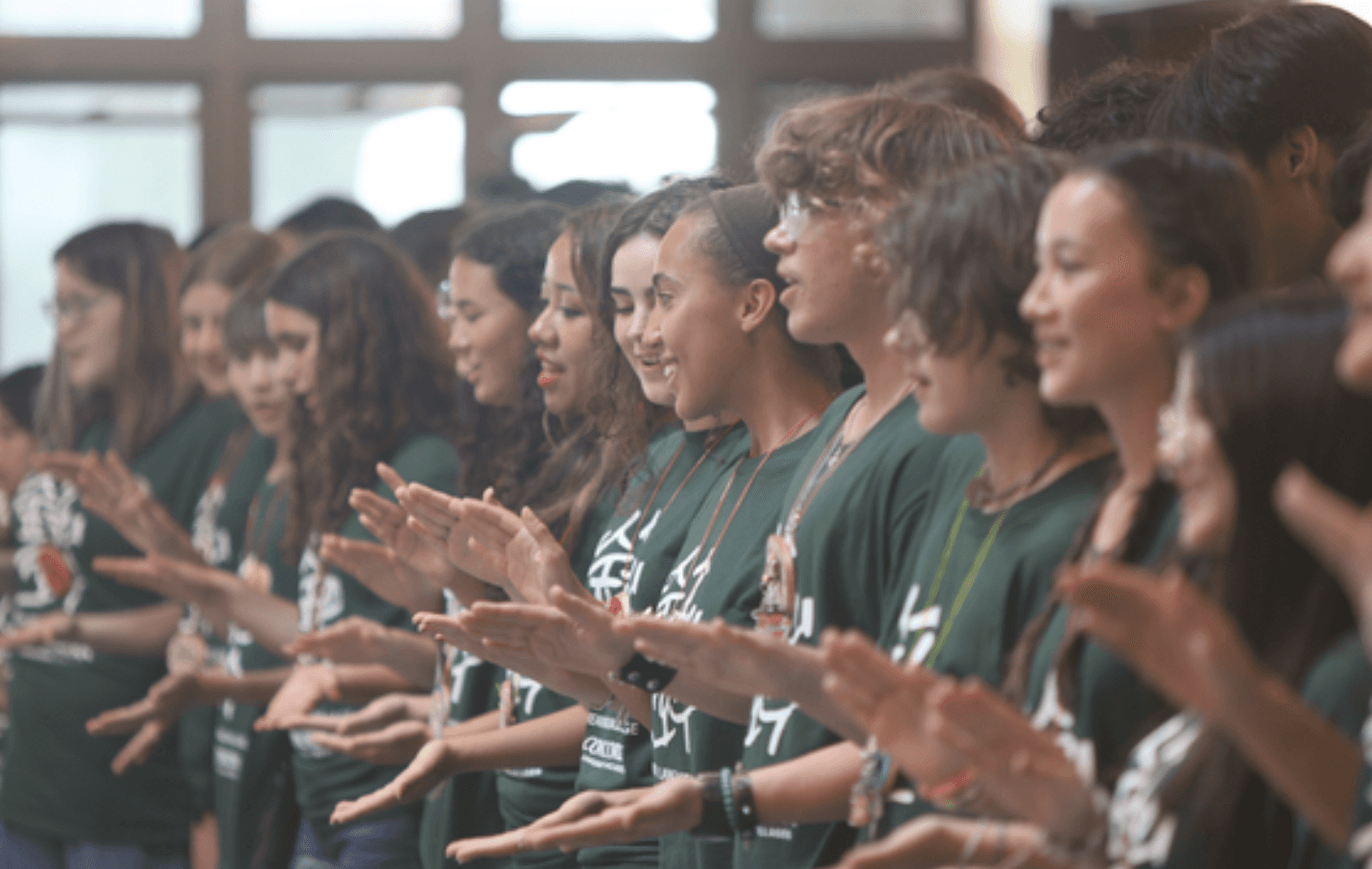
At Sup sogŭi Hosu, children do not encounter Korean only as a classroom subject.
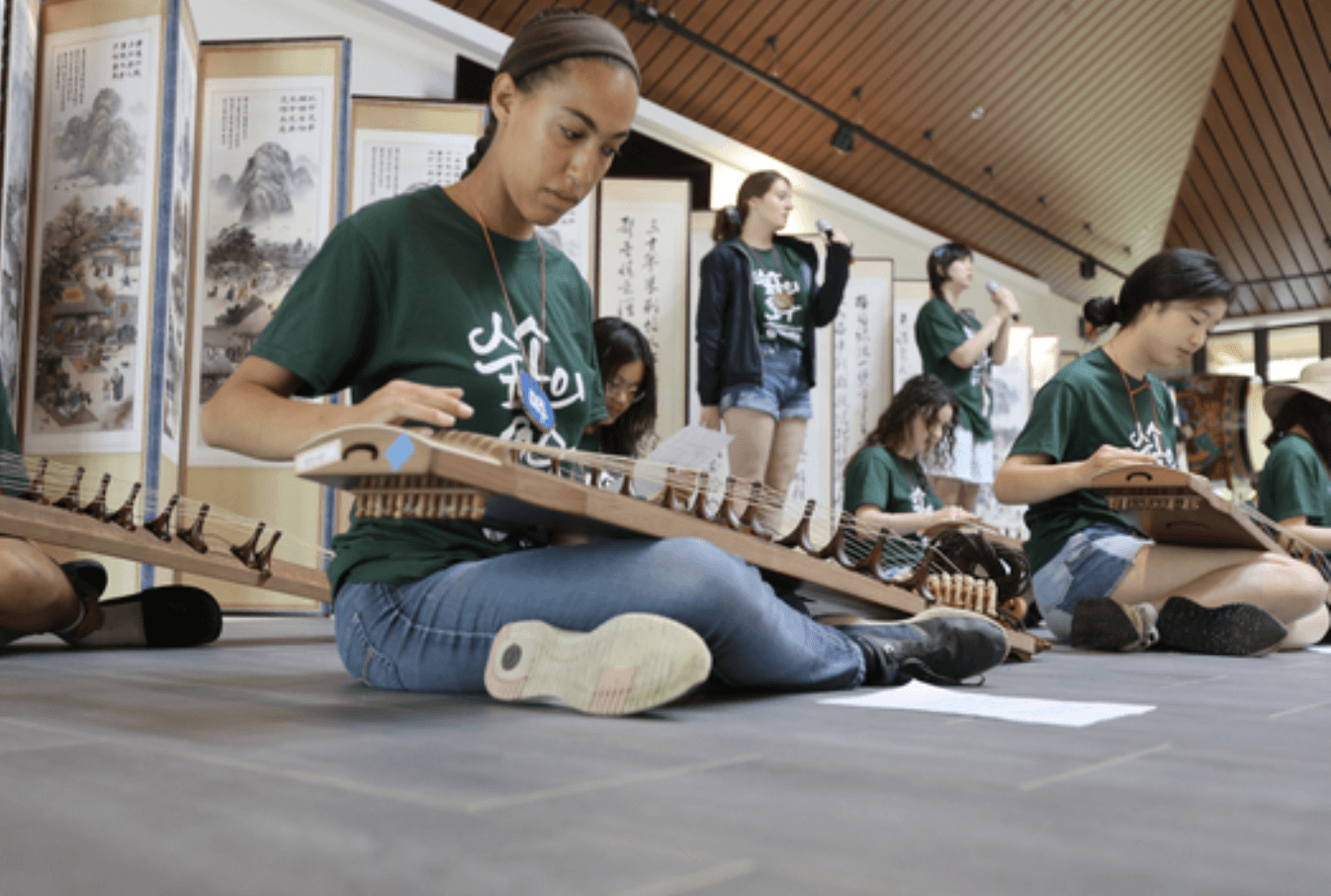
They speak it. They eat together. They sing, play, exercise, and experience Korean arts, traditions, and everyday culture.
In 2024, a new permanent campus, incorporating elements of Korean architecture, opened in Minnesota.
© Heesoon Lim
Yet to describe the Village simply as a place designed to produce children who “know Korea well” would miss something essential.
The deeper value of cultural education lies in helping young people understand that worlds other than their own exist and in teaching them to approach difference not with fear, but with curiosity, respect, and a willingness to understand.
Korean culture is both the subject of that education and a pathway toward something larger.
By experiencing one culture deeply, children can begin to learn how to encounter a much wider world.
A Place That Teaches
For Zur, this is also why space matters.
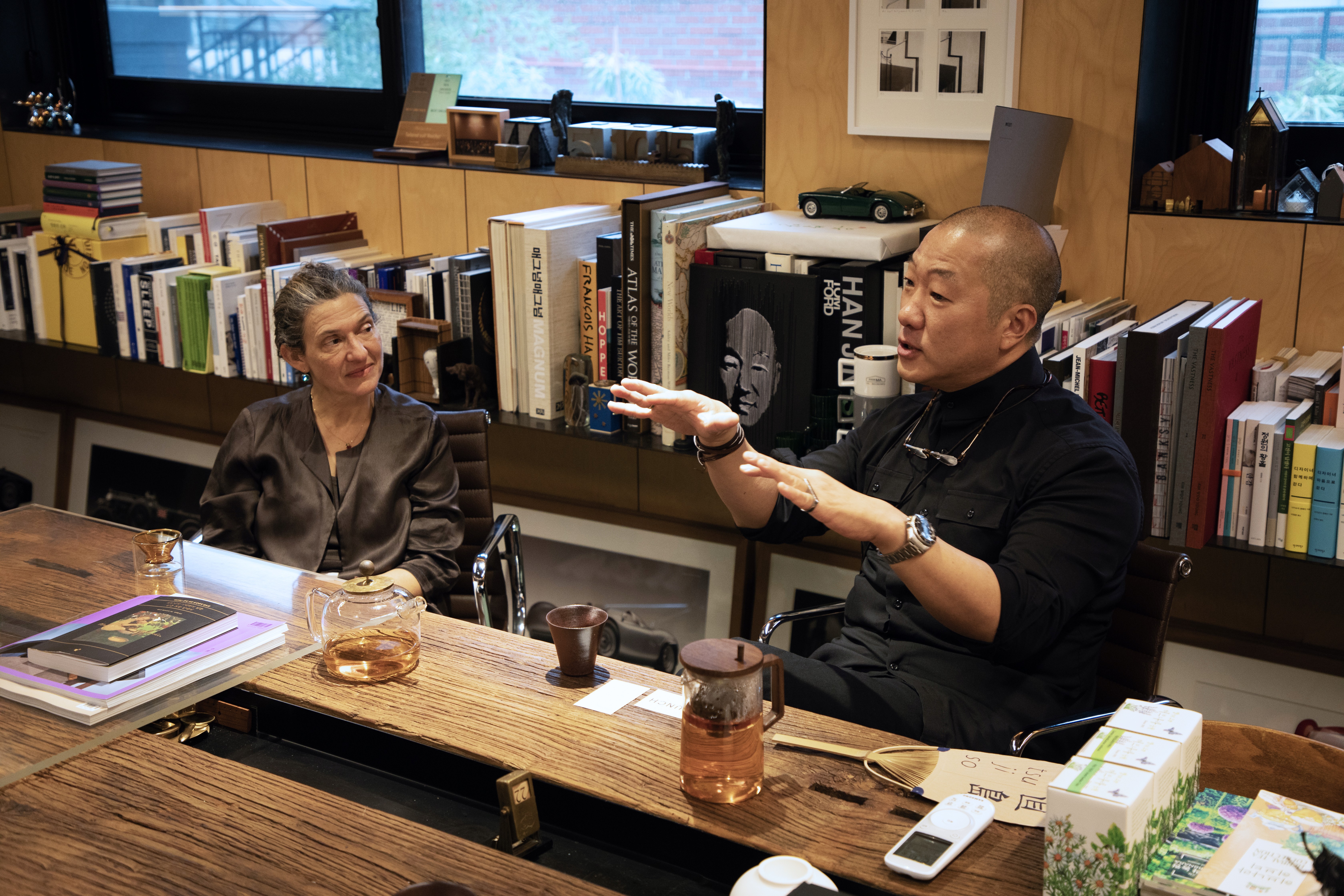
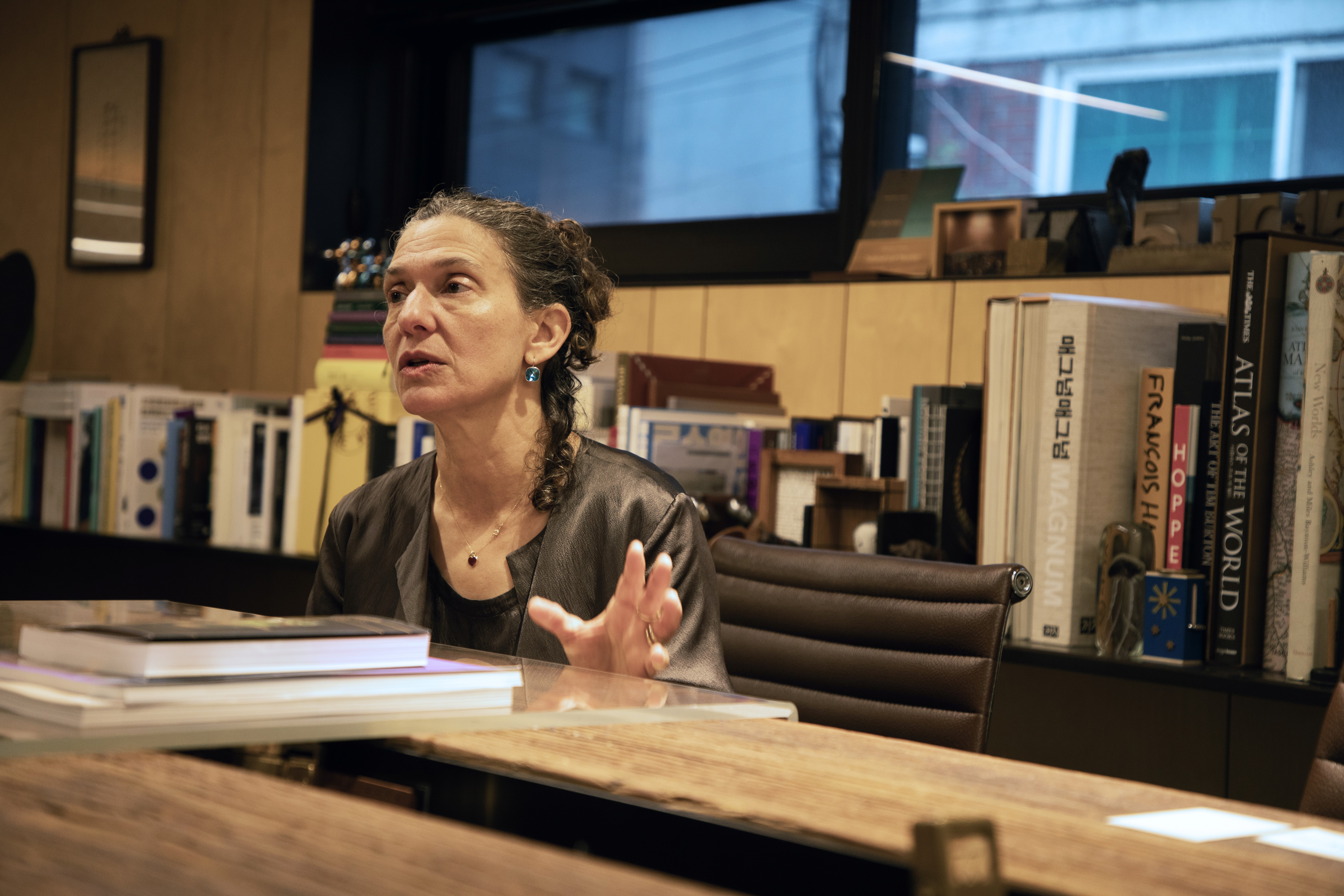
When Brunch Magazine met Professor Zur in Korea, the conversation naturally extended from language and education to architecture and to architect You Byung-an, principal architect of MA (Architecture Group MA), who led the architectural design of Sup sogŭi Hosu in Minnesota.
© Allen KIM | Brunch Magazine
For You, the challenge was never simply to reproduce the visual appearance of a traditional Korean building in the United States. The project called for something more subtle: to translate the spatial sensibility of Korean architecture into a contemporary American setting.
Rather than transplanting a hanok into Minnesota, You worked within American wood-frame construction while seeking to create a distinctly Korean experience of space. The buildings were designed to remain low within the surrounding forest, allowing the landscape to remain dominant. Ideas drawn from Korean architecture including proportion, extended eaves, columns, courtyards, corridors, and the traditional concept of chagyeong, or “borrowed scenery” became ways of establishing a relationship between architecture and nature.
The line of a roof.
The proportions of a building.
A corridor that connects one person and one space to another.
The relationship between architecture and nature.
These details matter because children do not learn only in classrooms.
Where they eat, walk, meet one another, and spend their time can itself become part of an education.
In this sense, Zur’s educational philosophy and You’s architectural approach meet at an important point. If language can introduce a child to another culture, space can allow that child to experience it physically.
Sup sogŭi Hosu, then, is not simply an attempt to reproduce the outward appearance of Korea. Its architecture creates another layer of cultural immersion one in which young people can begin to encounter Korean ways of thinking about community, proportion, movement, nature, and the relationship between people and place.
Culture is not transmitted through explanation alone.
Sometimes, we must live within it before we can begin to understand it.
From Loving One Culture to Respecting Another
What makes Dafna Zur’s story significant is not simply that she is a scholar from outside Korea who came to love and study Korean culture.
The significance lies somewhere deeper.
Her life and work suggest that the more deeply we understand one culture, the more expansively we may learn to see the world.
True cultural understanding is not about elevating one culture above another.
It begins with recognizing that cultures other than our own carry histories and memories of their own, and that the values held within them matter deeply to the people who live by them.
Only then can a genuine conversation between cultures begin.
Perhaps globalization, at its best, should not mean a world in which everything becomes more alike.
Perhaps it should mean a world in which our differences become more understandable to one another.
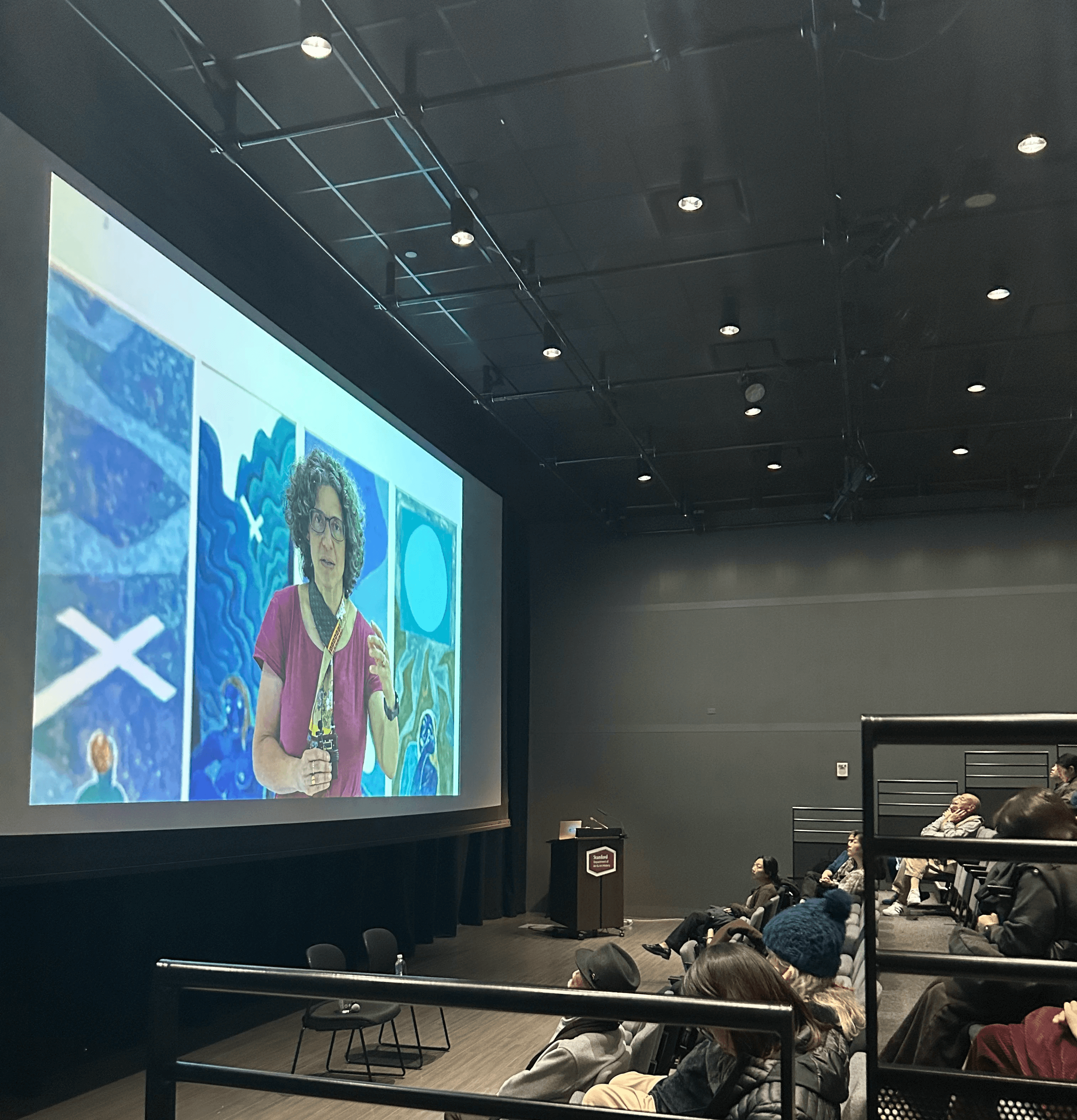
Zur has spent much of her life standing in that space between worlds.
Between Korea and the United States.
Between Korean and English.
Between scholarship and education.
Between the literature of the past and the children who will shape the future.
She is someone who helps one culture become intelligible to another and creates places where the two can meet.
© Brunch Magazine
Why Korea Chose to Honor Her
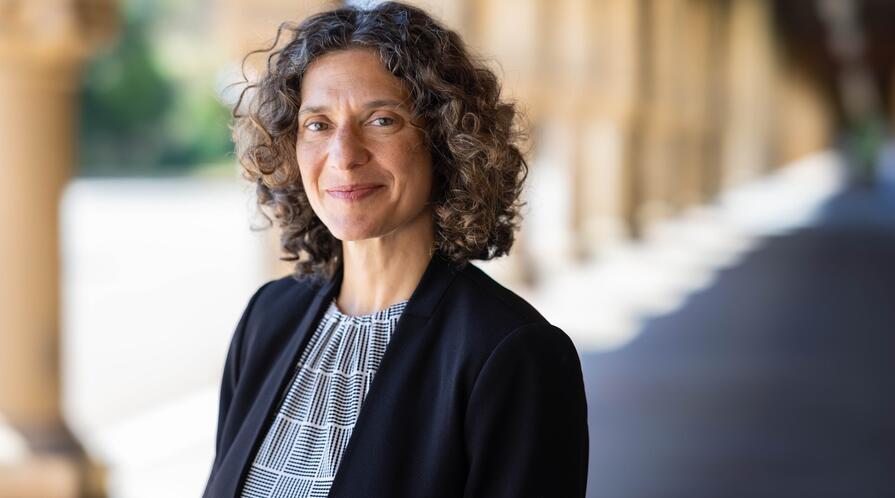
In 2024, the Republic of Korea awarded Dafna Zur the Hwagwan Order of Cultural Merit.
© Do Pham / Stanford University
The honor recognized her contributions to the development and global promotion of Hangeul, including her work in translation and publication, her teaching of Korean literature, and her longstanding role in Korean language and cultural education through Sup sogŭi Hosu.
The medal was awarded to one individual.
But what it represents reaches further.
A nation’s culture does not travel through the world through its own people alone.
It also depends upon those who devote their time and lives to studying that culture, translating it into another language, interpreting it for another society, and carrying it forward to another generation.
In that sense, Korea has reason to be grateful for the presence of Dafna Zur.
She was not born in Korea, yet she has spent decades studying its language and literature. She has helped its stories cross linguistic borders. And she continues to create opportunities for another generation to encounter Korean culture for themselves.
© Allen KIM | Brunch Magazine
The People We Need
But this story should not end with Korea.
The world needs people like Dafna Zur.
People who stand between different languages,
between different memories,
between different cultures and generations,
and build bridges that are not always immediately visible.
Their work may take the form of scholarship, translation, education, architecture, or art.
The form matters less than the purpose:
to help one world become understandable to another.
In an age when conflict and misunderstanding cross borders with extraordinary speed, the presence of such people becomes even more essential.
And the next generation will need more of them.
People who can love their own culture while respecting another.
People who learn another language in order to understand another person’s world.
People who teach children not only how to compete and succeed, but how to remain curious, respectful, and capable of living alongside others.
People who build paths between cultures rather than walls around them.
© Brunch Magazine
The People Between Cultures
© Allen KIM | Brunch Magazine
For a culture to continue into another generation, someone must document it.
Someone must teach it.
Someone must translate it.
And perhaps most importantly,
someone must be willing to move between different worlds.
The decades of work that define Dafna Zur’s journey remind us how essential that role can be.
Korea has reason to be grateful for the years she has devoted to its language and culture.
But the larger meaning of her story extends beyond any single country.
Every culture needs people willing to understand cultures other than their own.
And every generation needs people willing to connect worlds that might otherwise remain apart.
Perhaps this is one of the most important things we can pass on to those who come after us:
To know where we come from, without remaining confined to the world we already know.
To approach difference with a desire to learn rather than an instinct to fear.
And, one day, to become someone capable of building even a small bridge between one culture and another.
Perhaps that is among the most enduring things an education can give us.
Documenting People. Preserving Time.
BRUNCH MAGAZINE
VISIT & LEARN — SUP SOGŬI HOSU 숲속의 호수
What is it?
Sup sogŭi Hosu is the Korean Language Village operated by Concordia Language Villages, an immersive Korean language and cultural education program in Minnesota. Participants learn through daily language use as well as food, music, arts, sports and cultural activities. Concordia Language Villages
Location
Bemidji, Minnesota, USA. Concordia Language Villages operates its Korean programs in the Bemidji area.
10115 Sonamukkil NE
Bemidji, MN 56601
Who Can Participate?
Programs vary by session. The 2026 Korean offerings included Adventure Day Camp for ages 6–11, a one-week overnight program for ages 7–14, two-week overnight sessions for ages 8–14, 10–16, and 13–18, a High School Credit program for ages 13–18, as well as adult and family programs. Korean programs welcome learners at different proficiency levels; prior fluency is not generally required for the youth immersion sessions.
Program Length
Depending on the program, options include day camp, weekend, one-week, two-week and longer high-school-credit immersion sessions. The 2026 High School Credit session ran June 29–July 25.
Next Currently Listed Korean Program
The official site currently lists a Korean Adult & Family Weekend, January 15–18, 2027, in Bemidji. The Adult Weekend is open to ages 18–99; the family program welcomes Korean learners of all ages. Registration is currently listed to close December 18, 2026.
How to Apply
Registration is completed online through Concordia Language Villages. Applicants select Korean and the appropriate program/session, complete the individual registration, and pay the required registration fee/deposit. Availability and deadlines vary by session.
Scholarships
Need-based Passport Fund scholarships are available for eligible youth overnight programs. Concordia says awards consider factors including adjusted gross income and family size; families with AGI of $60,000 or less are generally prioritized. Korean is specifically listed among languages that may have scholarship funding available.
Website & Registration
Sup sogŭi Hosu — Korean Language Villagehttps://www.concordialanguagevillages.org/languages/korean/
Concordia Language Villages — Programs & Sessionshttps://www.concordialanguagevillages.org/credit-programs/
