Protecting Women’s Lives Through Technology and Compassion
Women’s Health Conditions and Infertility Are Not Merely Personal Issues. They Are a Shared Human Concern.

Discussions about declining birth rates often focus on why people are not having children. Within those conversations, some voices remain insufficiently heard: those of people who want a child but struggle to conceive, and women whose uterine and ovarian conditions have altered their daily lives and plans for the future.
For couples experiencing infertility, the issue is far more tangible than statistics. It consists of appointments and repeated treatment, the wait for results, feelings that remain difficult to express even while comforting one another, and the courage required to begin again. According to the World Health Organization, approximately one in six adults worldwide experiences infertility during their lifetime. These difficulties, so often borne by individuals and families, are also a public health concern that society must understand and address together.
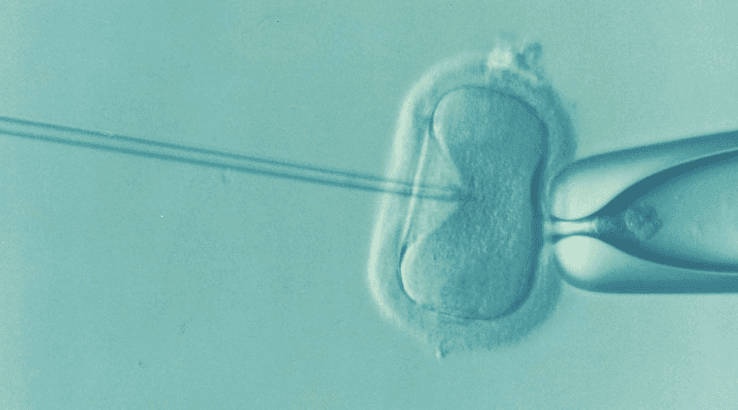
File photo : Dr Elena Kontogianni / Wikimedia Commons
As the timing of marriage and parenthood changes, and working lives, housing, economic circumstances, and living environments evolve rapidly, questions surrounding reproductive health are becoming more complex. Infertility can involve various medical factors affecting women and men, and in some cases its cause remains unexplained. The World Health Organization also identifies exposure to environmental pollutants and toxins as a potential influence on reproductive health. Understanding these challenges requires attention to circumstances that cannot be explained by individual choices and efforts alone.
Attention to women’s health must also extend beyond pregnancy and childbirth. For women facing uterine fibroids, adenomyosis, endometriosis, or ovarian cysts, relieving pain and discomfort, preserving organ function, and returning to everyday life after treatment all matter. Protecting the possibilities of those who hope to have children must go hand in hand with respecting women’s health regardless of their reproductive plans.
How, then, can medicine respond to these needs? What must be considered when treating disease while preserving as much healthy tissue and function as possible? How should clinicians discuss the suitability of robotic surgery, nonsurgical treatment, and fertility care with each patient? What kind of system can maintain continuity when a treatment plan changes?
To explore practical clinical responses to these questions, Brunch selected CHOISANG Women’s Clinic in Seoul, South Korea, as the focus of this feature. We were particularly interested in its approach to connecting uterine and ovarian preservation, robotic and laparoscopic surgery, nonsurgical treatment, and fertility care within one clinical system. Its emphasis on specialists considering a patient’s symptoms, organ function, reproductive plans, and previous treatment together offers a meaningful starting point for examining the medical response these challenges require.
From a patient’s perspective, the quality of care is experienced through more than the technology used in a consultation or operating room. Explanations that make a diagnosis understandable, time to consider options together, a setting that respects privacy and allows comfortable recovery, and care that continues into the next stage all shape the treatment experience. Thoughtful facilities and design become a practical expression of care when they support that continuity.
With this perspective, we turn to the views and clinical insights of Dongseok Choi, MD, founder and medical director of CHOISANG Women’s Clinic. His experience as both a fertility specialist and someone who has personally lived through infertility provides important context for understanding the relationship between treatment as clinicians plan it and treatment as patients experience it.
Through this interview, we examine the clinical judgment guiding the use of advanced technology and the extent to which a patient’s life informs that judgment. In recognizing women’s health conditions and infertility as challenges deserving a shared social response, we draw on Choi’s experience and philosophy of care to explore how medical precision and attentive, compassionate care can come together.
Protecting Women’s Lives Through Technology and Compassion
Beyond removing disease: preserving uterine and ovarian function, and women’s futures.
An integrated system linking robotic surgery, nonsurgical treatment, and fertility care.
Comprehensive women’s healthcare under one roof, from diagnosis and treatment to recovery and pregnancy.
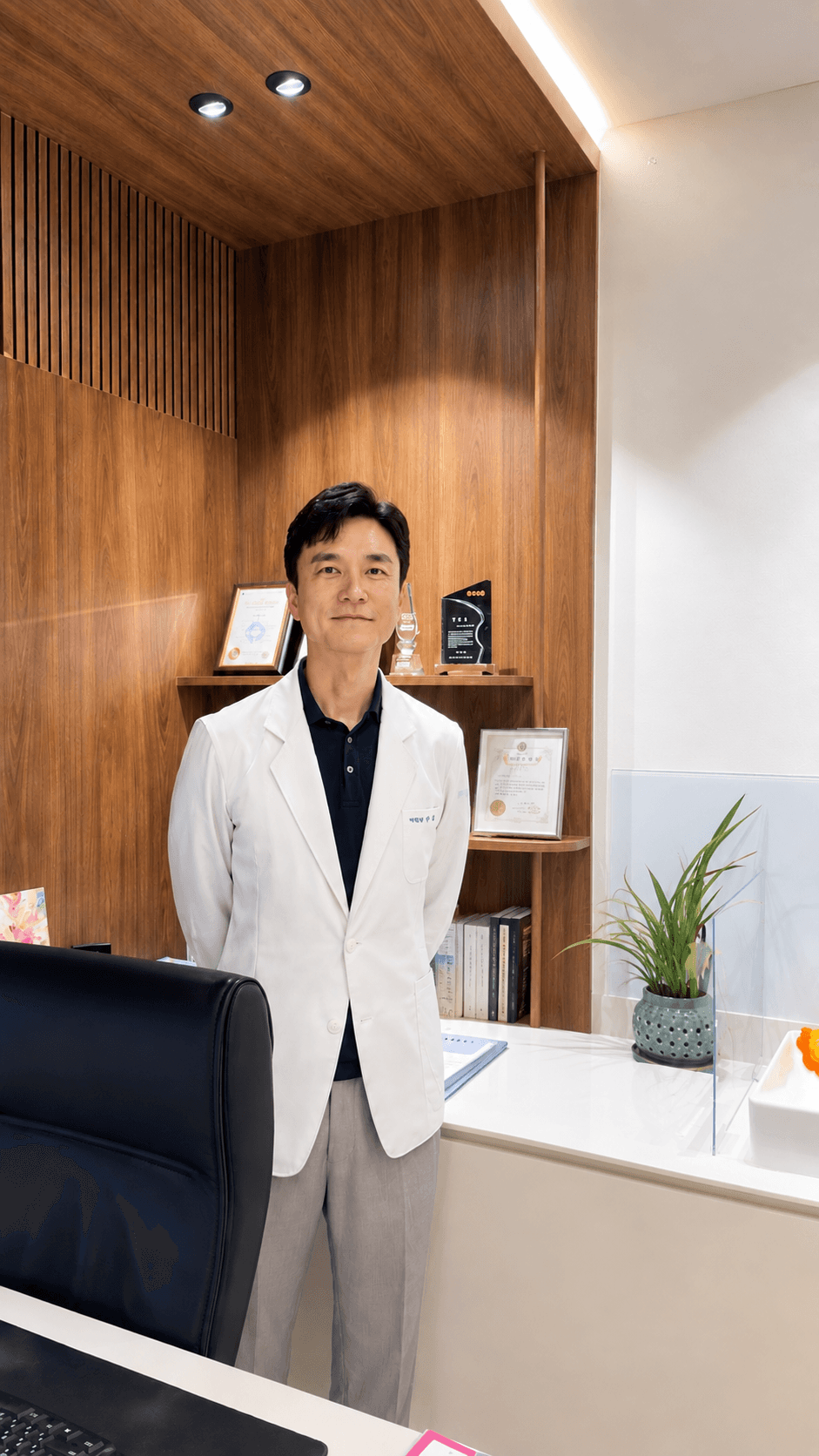
Dongseok Choi, MD
Founder and Medical Director, CHOISANG Women’s Clinic
As more people marry and have children later in life, conditions that cause pain and can directly affect fertility, including diminished ovarian reserve, recurrent implantation failure, uterine fibroids, adenomyosis, endometriosis, and ovarian cysts, are becoming increasingly common. As a result, the goal of women’s healthcare is also changing. Treatment is no longer focused solely on removing a lesion; it must also consider the preservation of uterine and ovarian function, the possibility of future pregnancy, and a woman’s quality of life after treatment.
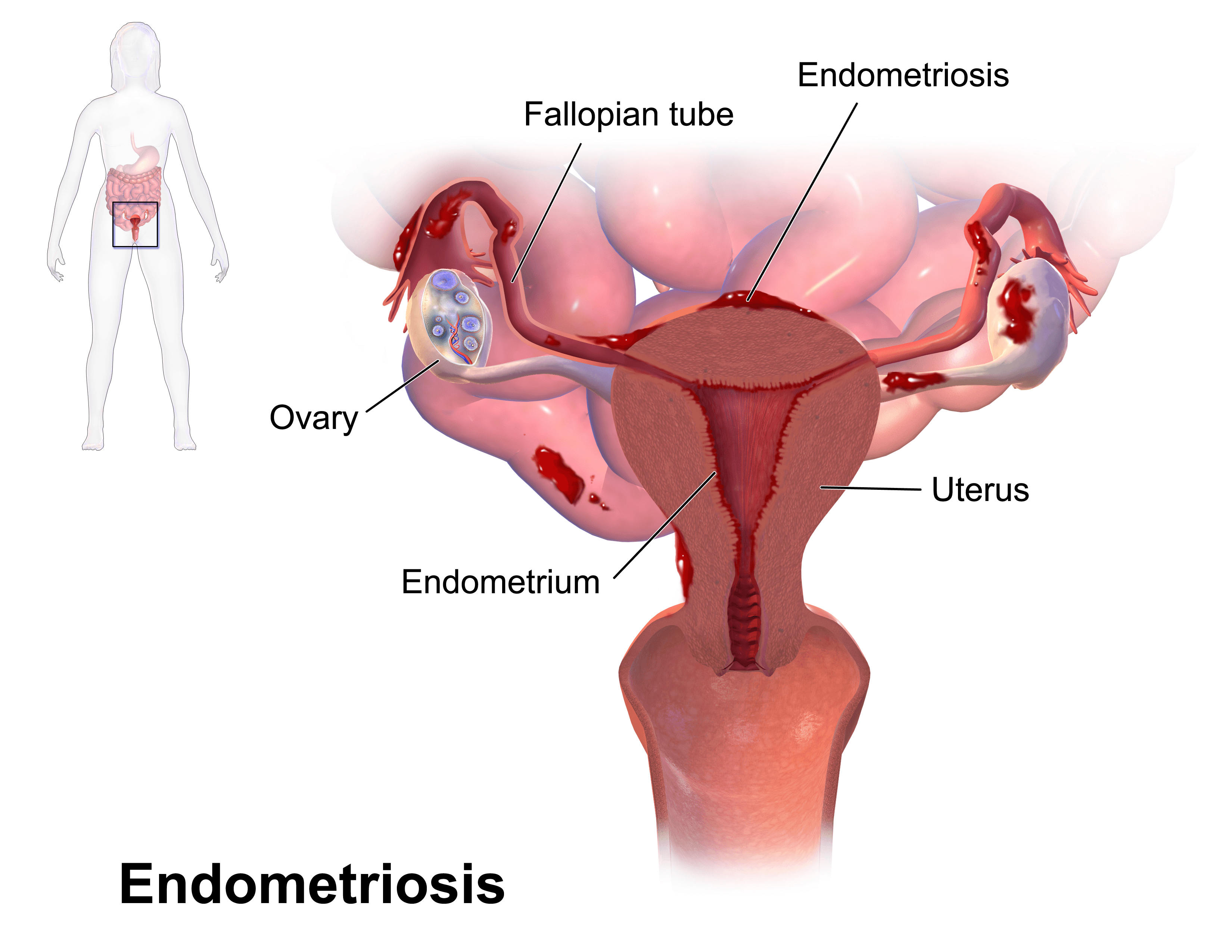
File photo : Blausen.com staff (2014) / Wikimedia Commons / CC BY 3.0
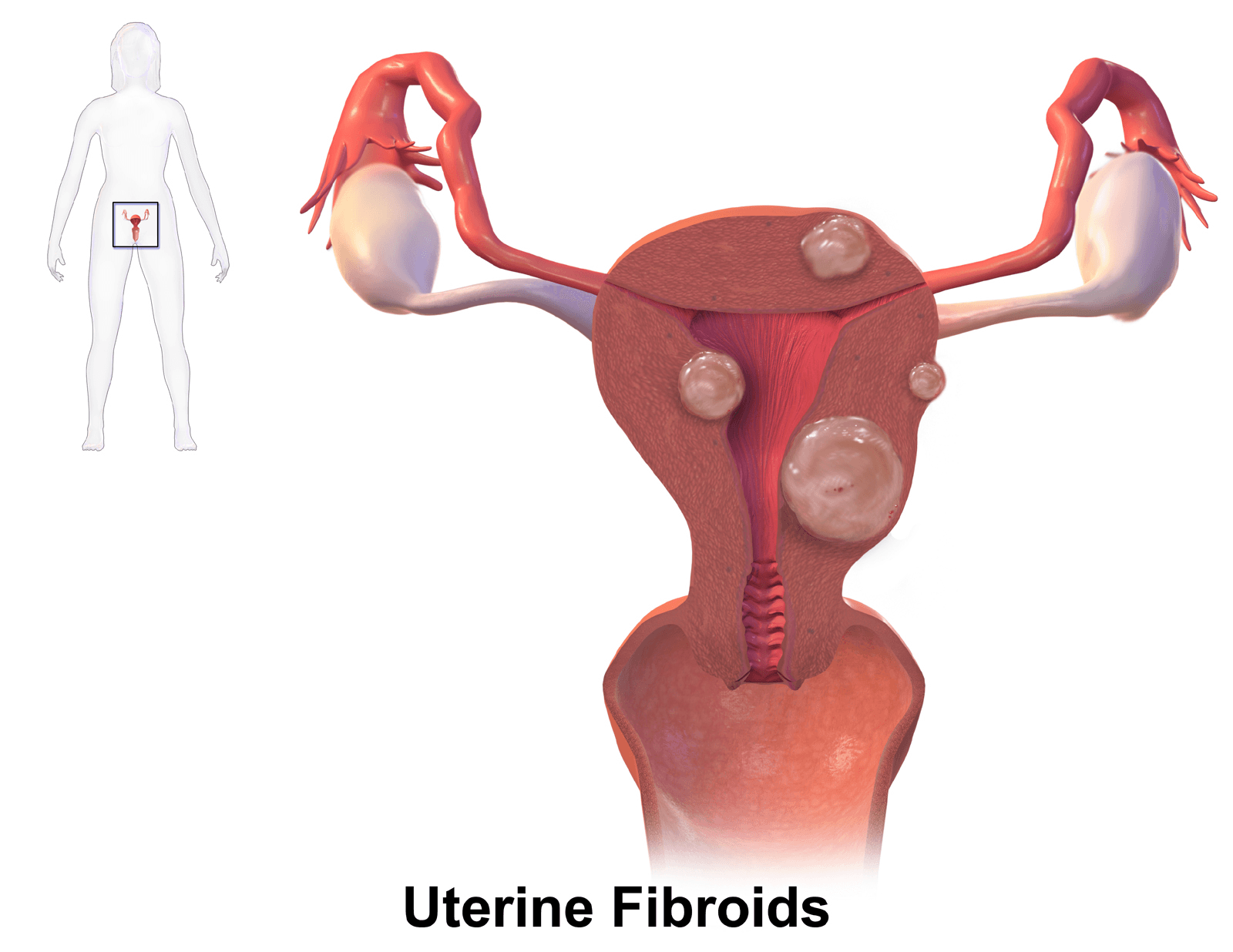
File photo : BruceBlaus / Wikimedia Commons / CC BY-SA 4.0
At the forefront of this shift is CHOISANG Women’s Clinic, a medical institution that has integrated fertility preserving treatment for uterine and ovarian conditions with comprehensive fertility care since opening in 2015.
CHOISANG operates a Nonsurgical Treatment Center specializing in high intensity focused ultrasound, or HIFU, ovarian cyst sclerotherapy, and hysteroscopy; a Robotic Surgery Center equipped with both the da Vinci SP and da Vinci X systems; a Fertility Center and Reproductive Medicine Laboratory; a Diagnostic Imaging Center; an Internal Medicine and Health Screening Center; and an inpatient unit.
Together, these services form an integrated system that provides continuity of care, from the diagnosis and treatment of uterine and ovarian conditions to surgery, recovery, fertility treatment, and fertility preservation.
“What matters in the treatment of women’s health conditions is not how much tissue we remove,” said Dr. Dongseok Choi, founder and medical director of CHOISANG Women’s Clinic. “What matters is how much normal organ function we are able to preserve while successfully treating the disease. Our goal is to consider not only the patient’s health today, but also her life and reproductive possibilities after treatment.”
A Small Beginning Guided by Two Clear Questions
CHOISANG Women’s Clinic opened on October 5, 2015, with one physician, two nurses, and one administrative staff member. It was a small beginning, but the clinic’s purpose was clear from the start.
The first goal was to preserve the uterus and ovaries as much as possible while treating conditions such as uterine fibroids, adenomyosis, and ovarian cysts.
The second was to create a medical institution that would offer patients undergoing fertility treatment not only the possibility of pregnancy, but also safety and dignity throughout what can be a long and difficult process.
“I did not begin with the ambition of building a large hospital,” Dr. Choi said. “I wanted to build a medical institution that could properly answer two questions: How can we protect uterine and ovarian function while treating disease? And how can we help fertility patients sustain hope throughout a long course of treatment?”
That philosophy grew not only from Dr. Choi’s medical training in reproductive endocrinology, but also from his own experience with infertility.

When a Fertility Specialist Experiences Infertility
As a fertility specialist, Dr. Choi had helped many couples achieve pregnancy. Yet five years into his own marriage, he and his wife still had no child.
He believed that his medical training would allow him to approach the situation objectively. Like many patients, however, he found himself losing valuable time while waiting and hoping that pregnancy would occur.
After the couple began in vitro fertilization, their first embryo transfer failed. Their second attempt ended in a biochemical pregnancy loss. They finally conceived twins after a third transfer using a frozen embryo.
The experience gave Dr. Choi a much deeper understanding of what fertility patients endure outside the consultation room: uncertainty and grief, tension between partners, the passage of time, and the financial and emotional burden of repeated treatment.
“I thought I understood what my patients were going through,” he recalled. “But after experiencing infertility myself, I realized that I had understood only a small part of their pain. When we learned that the final frozen embryo transfer had resulted in a twin pregnancy, I experienced that moment not as doctor, but simply as a person who had lived through infertility. It changed the way I understood the meaning of life.”
“Fertility treatment is not only a medical process intended to improve the probability of pregnancy,” he continued. “It is also a process of protecting the emotional wellbeing of an individual and a family. The bridge to new life can be completed only when scientific rigor and genuine compassion come together.”
From Removing Disease to Preserving Function
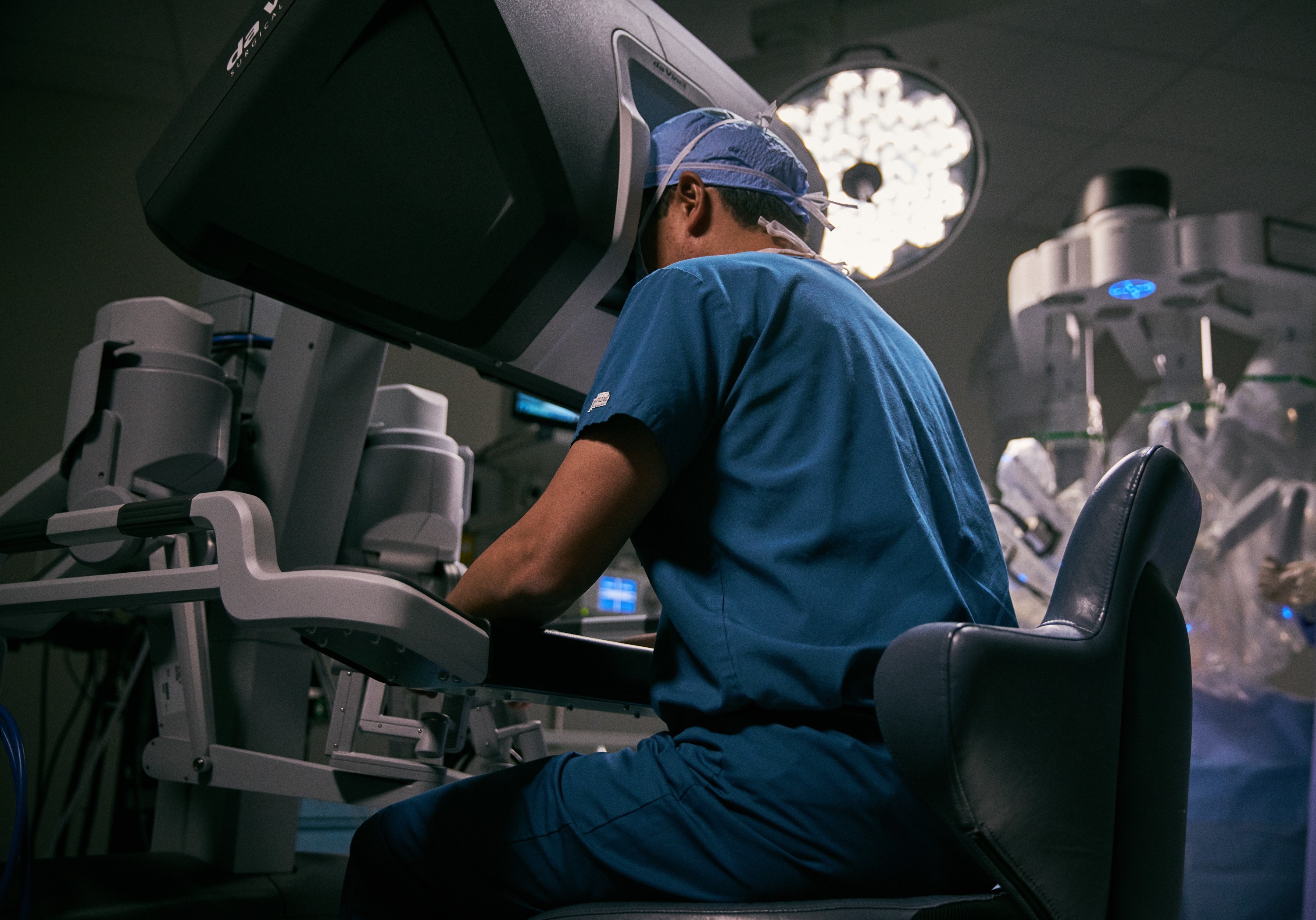
File photo : intuitive-da-vinci-surgeon-at-surgeon-console-hi-res
When Dr. Choi began practicing medicine 25 years ago, surgery was often prioritized when a patient was diagnosed with uterine fibroids, adenomyosis, or an ovarian cyst. Preserving the uterus and ovaries was sometimes considered less important for women approaching menopause or those without immediate plans for pregnancy.
But the uterus and ovaries are not relevant only to pregnancy and childbirth. They can have long term implications for hormonal health, sexual health, and physical and emotional quality of life. Dr. Choi therefore believes that physicians should attempt to preserve organ function whenever medically appropriate, even when a patient has no current plans for pregnancy.
To expand the range of fertility preserving options available to his patients, Dr. Choi sought training from international specialists, including Professor Franco Orsi of the European Institute of Oncology in Italy, Professor Antoni Pessarrodona Isern in Spain, and Professor Holger Strunk of University Hospital Bonn in Germany. Through these collaborations, he studied interventional procedures as well as noninvasive and minimally invasive approaches.
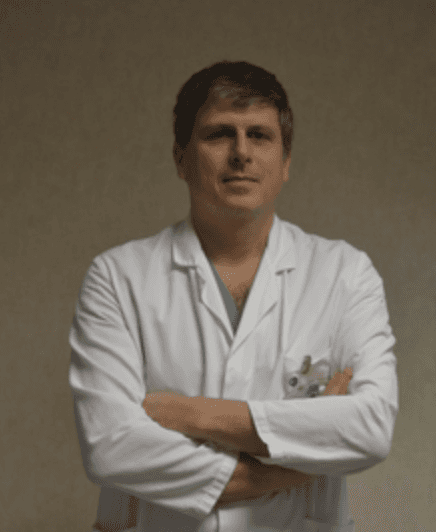
Franco Orsi, MD · European Institute of Oncology (IEO), Milan, Italy Source: CIRSE, Congress News, 2016.
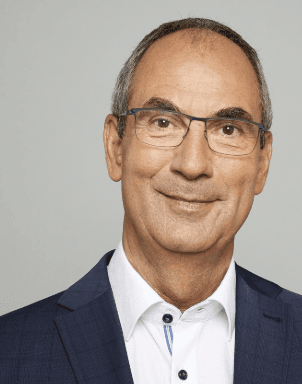
Prof. Dr. Holger Strunk · Germany Source: Holger Strunk, official website.
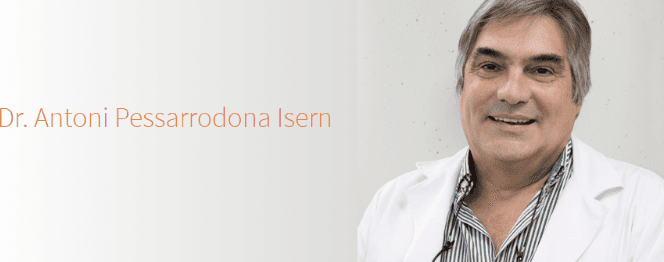
Antoni Pessarrodona Isern, MD · Spain Source: Escuela Internacional de Endoscopia Ginecológica (EIDEG).
After returning to Korea, he incorporated nonsurgical treatments such as HIFU, ovarian cyst sclerotherapy, and hysteroscopy into clinical practice. He also continued developing minimally invasive surgical options, including laparoscopic and robotic surgery, thereby broadening the scope of organ preserving treatment.
“Recommending nonsurgical treatment to every patient, including those who need surgery, is not patient centered care,” Dr. Choi said. “Nor is recommending surgery when a condition can be treated adequately without it. The decision must take into account the patient’s age and symptoms, the size and location of the lesion, the possibility of malignancy, ovarian function, reproductive plans, and previous treatment history.”
Preserving Function Across the Boundary Between Surgical and Nonsurgical Care
CHOISANG’s approach to organ preservation does not rely on a single treatment applied uniformly to every patient.

When a lesion needs to be surgically removed, robotic or laparoscopic surgery may be performed. When surgery can be avoided or its burden reduced, HIFU, sclerotherapy, or hysteroscopy may be considered. For selected patients, surgical and nonsurgical approaches may be combined sequentially as part of a hybrid treatment strategy.
At the Nonsurgical Treatment Center, HIFU is used to treat uterine fibroids and adenomyosis. Sclerotherapy is performed for selected ovarian cysts and ovarian endometriomas, while hysteroscopy is used to diagnose and treat endometrial polyps, submucosal fibroids, and intrauterine adhesions.
The Robotic Surgery Center operates both fourth generation da Vinci SP and da Vinci X systems. The SP platform can be used when a single port approach through one small incision is appropriate. The da Vinci X may be selected when the surgical field is wider or the procedure requires more complex and precise manipulation.
Even during surgery for uterine fibroids, adenomyosis, endometriosis, or ovarian cysts, the objective is not simply to remove the lesion. The surgical team seeks to preserve as much healthy myometrium, endometrium, and normal ovarian tissue as possible.
“Advanced equipment alone does not guarantee a good outcome,” Dr. Choi said. “What matters more is the experience of the medical team, knowing which treatment and which system are appropriate for each patient, and performing the procedure with the precision required to minimize injury to normal tissue.”
Diagnosis, Treatment, and Recovery in One Place
Women’s health conditions often cannot be fully assessed through a single test or the judgment of one specialty.
A patient with uterine fibroids may also have severe anemia or another medical condition. An ovarian mass may not be clearly benign or malignant on the initial examination. Infertility may result from a combination of diminished ovarian function, uterine disease, tubal abnormalities, intrauterine adhesions, and male factor infertility.

CHOISANG therefore operates a multidisciplinary care system involving specialists in reproductive endocrinology, gynecologic oncology, diagnostic radiology, internal medicine, and anesthesiology.
The Diagnostic Imaging Center provides MRI, ultrasound, X ray, and bone density testing. These examinations help the medical team assess the likelihood of malignancy, the size and location of a lesion, its characteristics, its relationship to surrounding organs, and changes following treatment.
The Internal Medicine and Health Screening Center evaluates anemia, chronic medical conditions, and osteoporosis, while also managing patients’ overall health before and after surgery. Preoperative testing, including electrocardiography and pulmonary function testing, can be performed on site.
Board certified anesthesiologists are present to oversee preoperative evaluation, respiratory and cardiovascular monitoring during surgery, postoperative pain control, and recovery. The clinic also maintains medications and response protocols for anesthesia related emergencies.
“It is difficult to see the patient as a whole when the physicians responsible for diagnosis, treatment, and recovery are separated from one another,” Dr. Choi said. “The central purpose of integrated care is to allow patients to move from diagnosis to treatment, recovery, and follow up in one place without traveling among multiple hospitals or unnecessarily repeating tests.”

Bringing Multiple Areas of Expertise Into One Treatment Plan
CHOISANG’s medical staff includes specialists with experience at university hospitals and dedicated specialty centers in reproductive endocrinology and infertility, gynecologic oncology, robotic and laparoscopic surgery, nonsurgical intervention, diagnostic imaging, and anesthesiology.
At the Fertility Center, Drs. Dongseok Choi, Sojung Ahn, Jae Eun Lee, and Miyeon Won provide preconception evaluation, intrauterine insemination, IVF, oocyte and sperm cryopreservation, and treatment for recurrent implantation failure and recurrent pregnancy loss.
In uterine and ovarian disease and fertility preserving surgery, care is provided by Drs. Dongseok Choi, Won Duk Joo, Jin Young Choi, Jung Min Eom, and Ji Young Lee. These physicians have studied gynecologic oncology, minimally invasive surgery, and fertility preserving surgery at university hospitals and have accumulated experience in complex procedures.
Dr. Seoyoung Lee, a radiologist, oversees MRI and ultrasound based diagnosis and post treatment surveillance. Anesthesiologists Drs. Seung Hee Lee and Young Chul Shin are responsible for patient safety from preoperative assessment through postoperative recovery.

“The presence of specialists from several fields does not, by itself, create multidisciplinary care,” Dr. Choi said. “True multidisciplinary care means sharing our assessments for an individual patient and determining together which sequence and combination of surgery, nonsurgical treatment, and fertility care will offer the greatest benefit.”
Individualization and Safety at the Center of Fertility Treatment
The CHOISANG Fertility Center manages the full continuum of care, from uterine and ovarian evaluation to oocyte retrieval, fertilization, embryo culture, embryo transfer, and cryopreservation.
The causes of infertility are diverse. In addition to age and ovarian function, contributing factors may include ovulatory disorders, tubal disease, uterine fibroids, adenomyosis, endometriosis, intrauterine adhesions, and male factor infertility. For that reason, CHOISANG does not believe that every patient should receive the same ovarian stimulation protocol or embryo transfer strategy.
The team evaluates each patient’s age, ovarian reserve, previous treatment outcomes, hormonal patterns, endometrial condition, and coexisting disease. Based on those findings, the physicians individualize the ovarian stimulation protocol, medication selection, fertilization method, duration of embryo culture, and timing of embryo transfer. When appropriate, uterine or ovarian conditions that may interfere with pregnancy are treated before fertility treatment begins.
“The purpose of fertility treatment is not to improve a single laboratory value or produce a higher embryo grade,” Dr. Choi said. “The goal is a healthy pregnancy and birth. That requires long term responsibility, considering ovarian function, uterine health, and the physical and emotional burden of repeated treatment rather than focusing only on short term results.”
Advanced Embryology and a Dual Verification System
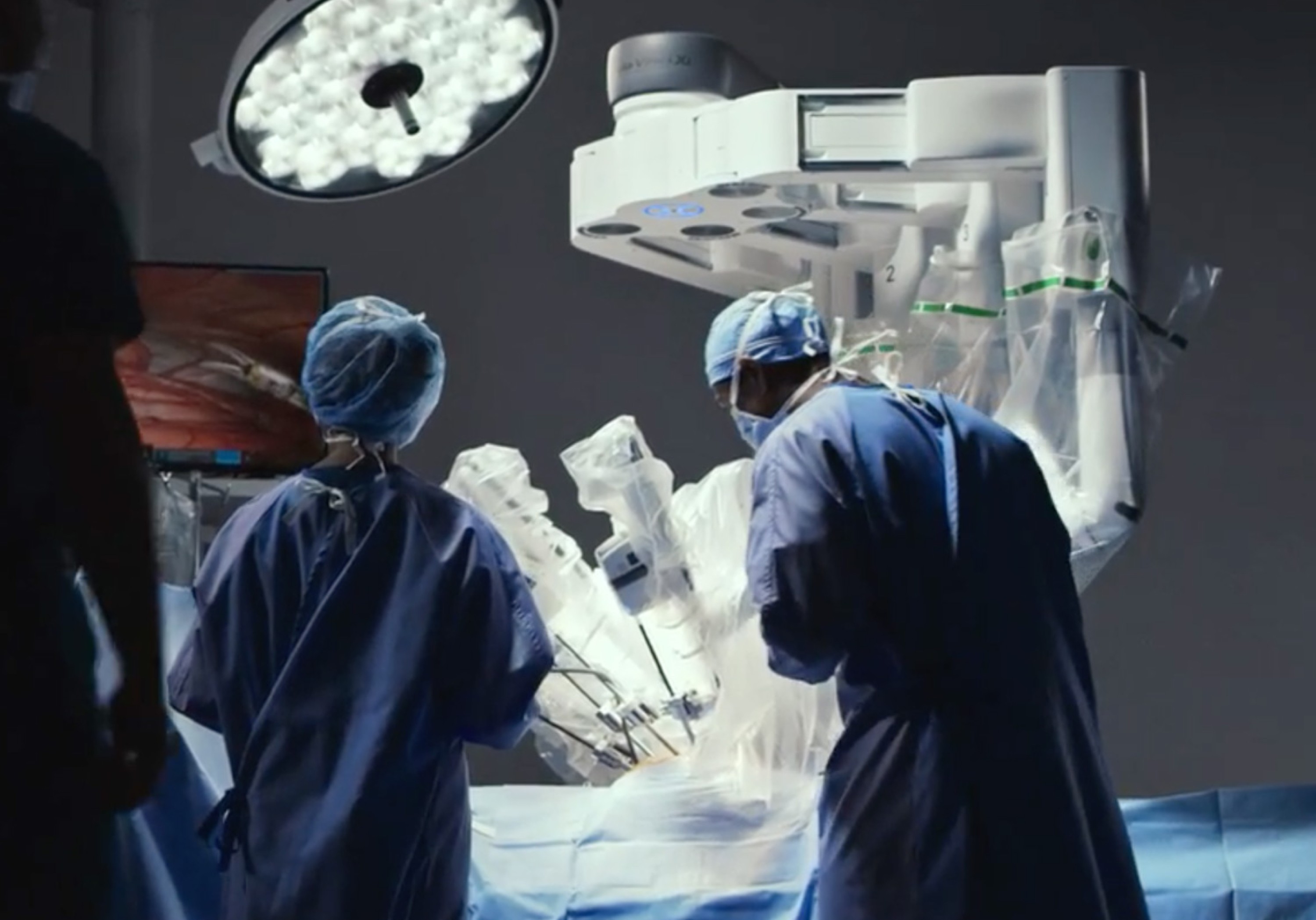
File photo : intuitive-da-vinci-surgeon-at-surgeon-console-hi-res
In fertility treatment, clinical decision making is only one part of the process. Laboratory conditions and the skill of the embryology team can also play important roles in treatment quality and safety.
The CHOISANG Reproductive Medicine Laboratory is equipped with AI assisted time lapse incubators, individual embryo incubators, enclosed sterile workstations, and precise systems for regulating temperature, oxygen, and carbon dioxide.
Time lapse incubation allows embryos to remain in a stable environment while their development is continuously recorded and converted into data. This approach supplements the limitations of assessing an embryo at only one point in time and allows the team to evaluate cleavage timing and developmental patterns more comprehensively.
Micromanipulation systems capable of IMSI, PICSI, and spindle view intracytoplasmic sperm injection, or SP ICSI, support precise sperm selection and help protect the meiotic spindle during microinjection. Computer assisted semen analysis, or CASA, provides objective data on sperm concentration, motility, and morphology.
The laboratory also operates a culture protocol designed to support the maturation and potential use of oocytes that are immature at the time of retrieval. The purpose is to avoid overlooking even one potentially usable oocyte, particularly in patients with diminished ovarian reserve who may produce only a limited number.
To strengthen the safety of gamete and embryo management, the center uses a dual matching system that combines facial and fingerprint biometrics with microchips containing patient identification data. The patient’s identity is repeatedly matched with the relevant specimen during oocyte and sperm collection, fertilization, embryo culture, transfer, freezing, and thawing. If the information does not match, an alarm is activated and the system restricts progression to the next handling step.
Rapid in house hormone testing and a dedicated fertility center application are also used to manage individualized treatment schedules, test results, and embryo related information.
“The purpose of advanced technology is not to replace clinicians,” Dr. Choi said. “It is to make human judgment more accurate and help prevent error. In fertility care, technological capability and safety are inseparable.”
More Than 160,000 Patient Visits Over a Decade
In 2021, CHOISANG expanded and relocated to its current standalone building in Seoul’s Seocho District. The move provided the physical infrastructure needed to connect diagnosis, treatment, surgery, hospitalization, and recovery within one institution.
The clinic subsequently established its Robotic and Laparoscopic Surgery Center, Nonsurgical Treatment Center, Diagnostic Imaging Center, Internal Medicine and Health Screening Center, and inpatient unit. In 2024, the CHOISANG Fertility Center and Reproductive Medicine Laboratory formally opened. In 2025, the clinic completed its assisted reproductive medicine system, including IVF, intrauterine insemination, and oocyte, sperm, and embryo cryopreservation, after receiving designation as an authorized fertility treatment medical institution.
The organization that began with four people had grown to approximately 100 employees by its 10th anniversary. As of July 2026, CHOISANG had recorded 160,403 cumulative patient visits and 10,951 robotic and laparoscopic procedures, building a substantial body of clinical experience in fertility preserving treatment of uterine and ovarian conditions.
“We are deeply grateful to the many patients who have entrusted us with their health and their futures,” Dr. Choi said. “For us, these numbers are a reminder of the responsibility we carry.”
Turning Clinical Experience Into Academic Progress
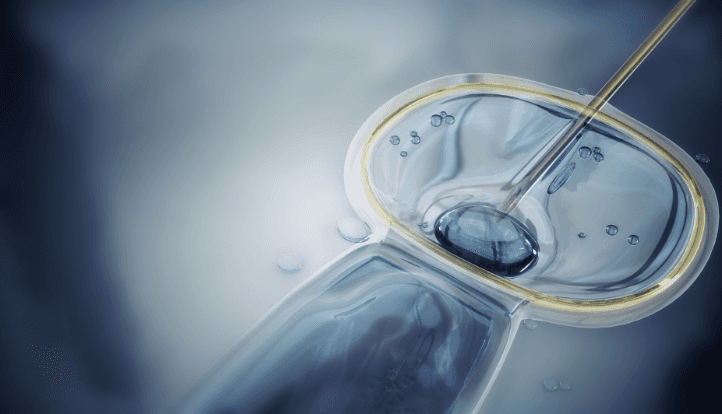
File photo : Manu5 / Scientific Animations / CC BY-SA 4.0
CHOISANG continues to connect its clinical experience with research, education, and academic exchange. These activities extend beyond its founder and encompass its teams in reproductive endocrinology, fertility care, gynecologic oncology, robotic and laparoscopic surgery, nonsurgical treatment, diagnostic imaging, and anesthesiology.
Dr. Dongseok Choi currently serves as an international board member of the International Society of Minimally Invasive and Noninvasive Medicine, or ISMIVS; Director of Insurance and Reimbursement Affairs for the Korean Society for Therapeutic Ultrasound; and Finance Committee Chair of the Korean Society of Contraception and Reproductive Health.
He also participates in the Korean Society of Obstetrics and Gynecology, the Korean Society for Reproductive Medicine, the Korean Society of Gynecologic Endoscopy, the Korean Society of Menopause, the International Society for Therapeutic Ultrasound, the Asia Pacific Association for Gynecologic Endoscopy and Minimally Invasive Therapy, the European Society of Human Reproduction and Embryology, and the American Society for Reproductive Medicine.
At conferences and continuing medical education programs in Korea and abroad, Dr. Choi has presented CHOISANG’s clinical experience with HIFU for uterine fibroids and adenomyosis, MRI based patient selection, pregnancy and childbirth following nonsurgical treatment, and the integration of HIFU with minimally invasive and robotic surgery.
He has been invited to speak on multiple occasions at meetings and educational programs organized by APAGE, the Korean Society for Therapeutic Ultrasound, the Korean Society of Radiology, and Samsung Medical Center.
Dr. Choi also contributed the sections on HIFU and sclerotherapy to the interventional procedures chapter of Gynecologic Ultrasound, a textbook published by the Korean Society of Ultrasound in Obstetrics and Gynecology. Its inclusion represented a meaningful step in formally incorporating nonsurgical interventional treatment into gynecologic education.
CHOISANG’s fertility preserving surgeons likewise share new techniques and clinical findings through national and international academic organizations.
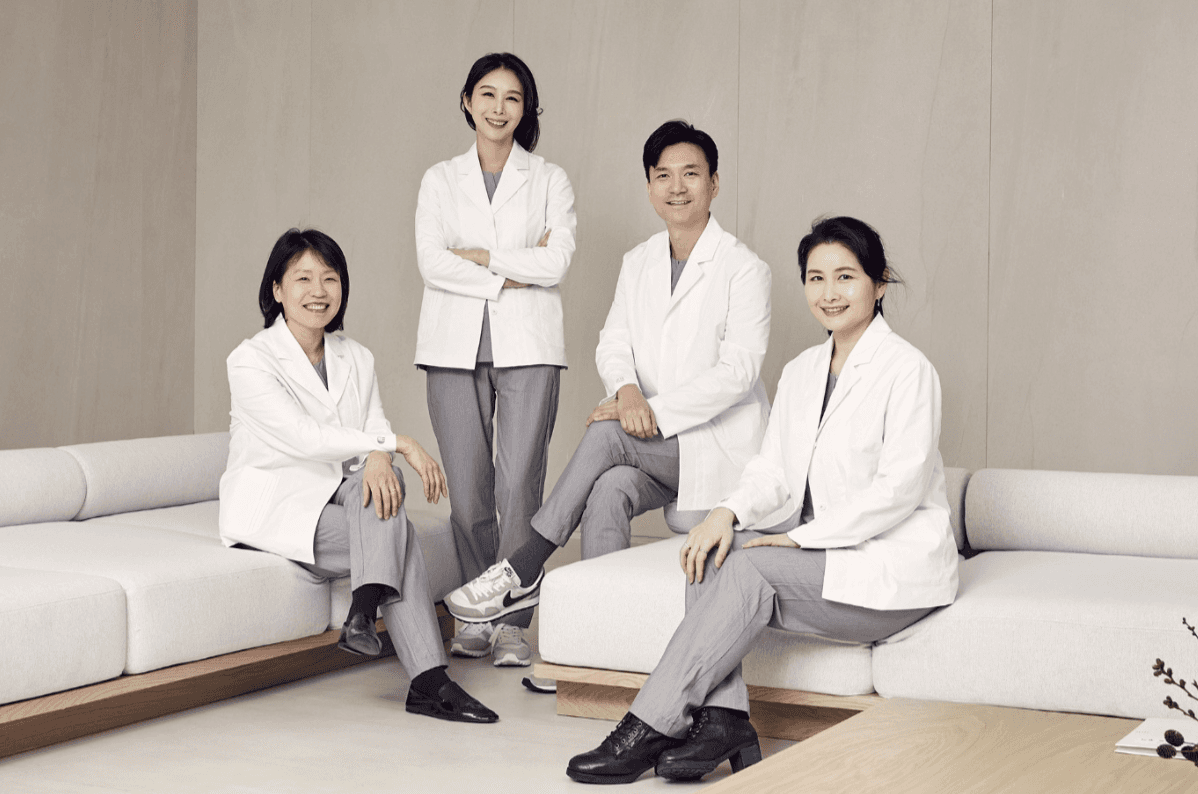
Dr. Won Duk Joo serves as Vice President of the Korean Society of Single Port Surgery, as a member of the editorial board of the Korean Society of Gynecologic Endoscopy, and as a member of the Endometrial Cancer Committee of the Korean Gynecologic Oncology Group. He also participates in the Korean Society of Gynecologic Oncology, the Korean Society of Gynecologic Robotic Surgery, and the Asia Pacific Gynecologic Endoscopy Training Group.
At the seventh annual meeting of the Korean Society of Single Port Surgery in 2026, Dr. Joo delivered an invited lecture titled “Next Generation da Vinci SP: Evolution in Accessibility, Maneuverability, and Energy Efficiency.” Drawing on actual cases, he discussed single port robotic surgical strategies using the da Vinci SP for uterine fibroids, adenomyosis, ovarian cysts, and endometriosis.
He has also introduced clinical cases involving robotic and laparoscopic uterine fundectomy, continuing his research into surgical techniques intended to preserve uterine function rather than remove the uterus. He also contributed to the Korean Society of Gynecologic Oncology’s Gynecologic Oncology handbook.
Dr. Jin Young Choi participates in the Korean Society of Obstetrics and Gynecology, the Korean Society of Gynecologic Oncology, the Korean Society of Gynecologic Endoscopy, the Korean Urogynecologic Society, the Asian Society of Gynecologic Oncology, the European Society of Gynaecological Oncology, and AAGL.
She received an Outstanding Poster Award from the Korean Society of Gynecologic Endoscopy for research on the oncologic safety of different methods of tumor removal in uterine sarcoma. She also contributed a section on malignant neoplasms during pregnancy to the Korean Society of Obstetrics and Gynecology textbook Obstetrics, as well as a section on benign and malignant adnexal tumors and their treatment to the Korean Society of Gynecologic Oncology’s Gynecologic Oncology handbook.
Dr. Jung Min Eom participates in the Korean Society of Gynecologic Oncology, the Korean Society of Gynecologic Endoscopy, the Korean Society of Gynecologic Robotic Surgery, and the Korean Society of Single Port Surgery. She is also active in academic organizations focused on gynecologic endocrinology, bone and mineral research, and menopause, extending her academic interests beyond gynecologic oncology to hormonal health and women’s health after menopause.
Dr. Eom has received a Best Oral Presentation Award from the Korean Society of Gynecologic Oncology, Best Surgical and Research Video Awards from the Korean Society of Gynecologic Endoscopy and Robotic Surgery, and a Best Surgical and Research Video Award from the Korean Society of Endometriosis. She also authored a section on intraoperative injuries and complication management in the textbook Single Port Surgery.
Dr. Ji Young Lee participates in ISMIVS, the International Society for Therapeutic Ultrasound, APAGE, and AAGL. Drawing on her background in gynecologic oncology, she brings international developments in HIFU, sclerotherapy, hysteroscopy, and minimally invasive treatment into clinical practice.
The Fertility Center’s physicians are also active in leading reproductive medicine organizations in Korea, Europe, and the United States.
Drs. Sojung Ahn, Jae Eun Lee, and Miyeon Won participate in the Korean Society of Obstetrics and Gynecology, the Korean Society for Reproductive Medicine, the Korean Society for Assisted Reproduction, the Korean Society for Fertility Preservation, the Korean Society of Menopause, ESHRE, and ASRM.
Through these organizations, they follow and apply evolving evidence and clinical guidance on diminished ovarian reserve, advanced maternal age, recurrent implantation failure, preimplantation genetic testing, and fertility preservation.
In 2026, Dr. Jae Eun Lee was invited to lecture at an infertility education program organized by the Korean Society for Assisted Reproduction for residents, fellows, and physicians entering the field. Her presentation, “Evaluation of the Infertile Couple and Selection of Treatment,” covered basic infertility testing, evaluation of underlying causes, and the selection of intrauterine insemination or IVF based on age, ovarian reserve, and coexisting medical conditions.
Academic participation by the radiology and anesthesiology teams is another important component of CHOISANG’s integrated care system.
Radiologist Dr. Seoyoung Lee participates in the Korean Society of Radiology and the Korean Society of Ultrasound in Medicine. She applies current imaging guidance to MRI and ultrasound based diagnosis and post treatment follow up.
Anesthesiologist Dr. Seung Hee Lee is active in the Korean Society of Anesthesiologists, the Korean Society of Obstetric Anesthesiologists, and the Korean Society for Intravenous Anesthesia. Dr. Young Chul Shin is a member of the Korean Society of Anesthesiologists and has published research on anesthesia for obstetric emergencies and on spinal and epidural anesthesia.
Both physicians apply knowledge gained through research and professional society activity to preoperative risk assessment, intraoperative monitoring, postoperative pain control, and recovery.
“The essential purpose of academic activity is to share the experience we have accumulated in clinical practice, have it evaluated by the broader medical community, and bring new evidence and techniques back to our patients,” Dr. Choi said.
“A good medical institution must do more than acquire advanced equipment. Its physicians must continue learning and objectively evaluating their own outcomes. We intend to maintain a culture in which clinical experience advances academic knowledge, and academic progress is ultimately returned to the patient.”
Based on its clinical and academic activities and continuing efforts to improve patient centered medical services, CHOISANG Women’s Clinic has received a commendation from Korea’s Minister of Health and Welfare for five consecutive years.
Becoming a Women’s Health Center Trusted by International Patients
CHOISANG is increasingly treating patients from across Korea as well as Korean expatriates and international patients from China, Mongolia, Southeast Asia, and other parts of the world.
For international patients, an effective treatment plan must account not only for the standard of medical care, but also for language and cultural differences, the length of stay in Korea, and follow up after returning home.
This is particularly important in fertility treatment, where schedules may change according to the menstrual cycle and ovarian response. Careful planning may therefore be required from the initial consultation before travel through testing and treatment in Korea and follow up after the patient returns home.
“The purpose of internationalization is to ensure that every patient, regardless of country of origin, can fully understand her medical condition and treatment options and receive evidence based care with confidence,” Dr. Choi said.
“We want to share the experience we have accumulated in fertility preserving uterine and ovarian treatment and reproductive medicine with clinicians around the world, while continuing to grow into a women’s health center trusted by international patients.”
Protecting Women’s Health and Their Lives
A woman’s body continues to change through adolescence, the reproductive years, pregnancy and childbirth, and menopause. A patient treated for uterine fibroids or an ovarian cyst may return several years later to prepare for pregnancy. A patient who has completed fertility treatment may come back in midlife to discuss menopause, osteoporosis, breast health, or thyroid health.
Women’s healthcare, therefore, should not end with a single procedure or operation. It should support women throughout the course of their lives.
CHOISANG’s guiding message is:
“The best way to protect myself. The joyful hope of meeting you.”
“The best way to protect myself” represents a commitment to protecting each woman’s body, health, and life. “The joyful hope of meeting you” expresses a promise to stand with patients and families who are waiting for a new life.
“Our commitment to protecting women’s bodies, helping create new life, and caring for patients beyond treatment has not changed since we opened in 2015,” Dr. Choi said.
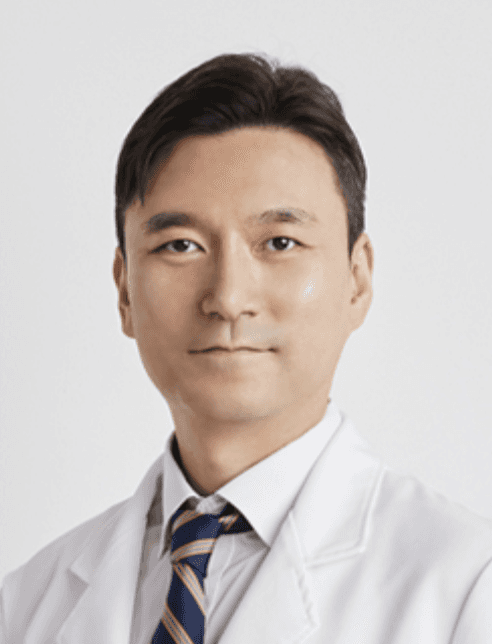
By Dongseok Choi, MD
Founder and Medical Director, CHOISANG Women’s Clinic
His philosophy of care is grounded in compassion and scientific rigor. As he puts it, “We will continue to set a new standard in the treatment of women’s health conditions and infertility, guided by compassionate hearts and rigorous medicine.”