When Cinema Becomes Culture: Samuel Jamier on NYAFF at 25
Brunch Magazine Editorial Team
When Cinema Becomes Culture: Samuel Jamier on 25 Editions of NYAFF
Photos courtesy of NYAFF
The New York Asian Film Festival’s executive director reflects on Asian cinema, Korea’s creative strengths, and the enduring power of watching together.
Between a film’s completion and its encounter with an audience lies the work of bringing people together. Someone must choose the film, find a screen, and persuade strangers to give an unfamiliar story their time. For a quarter century, the New York Asian Film Festival has helped make those encounters possible.
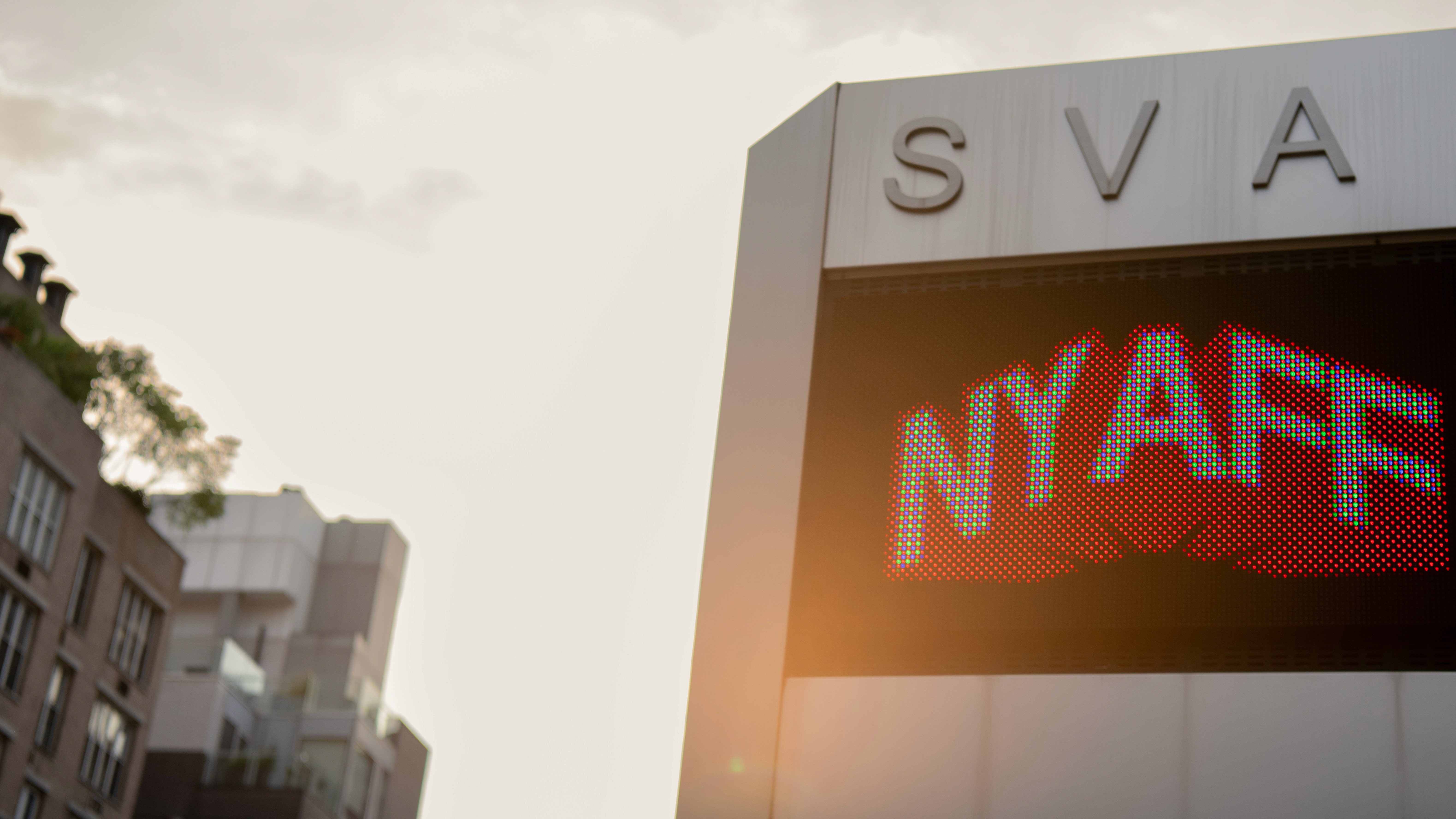
Held from July 10 to 26, the festival’s 25th edition brought audiences to five venues across New York: Film at Lincoln Center, SVA Theatre, IFC Center, Anthology Film Archives, and the Korean Cultural Center New York. Across those spaces, films with distinct histories, sensibilities, and ambitions entered into conversation with the city and with one another.
Photography by Hyun Ihm, Photography Intern
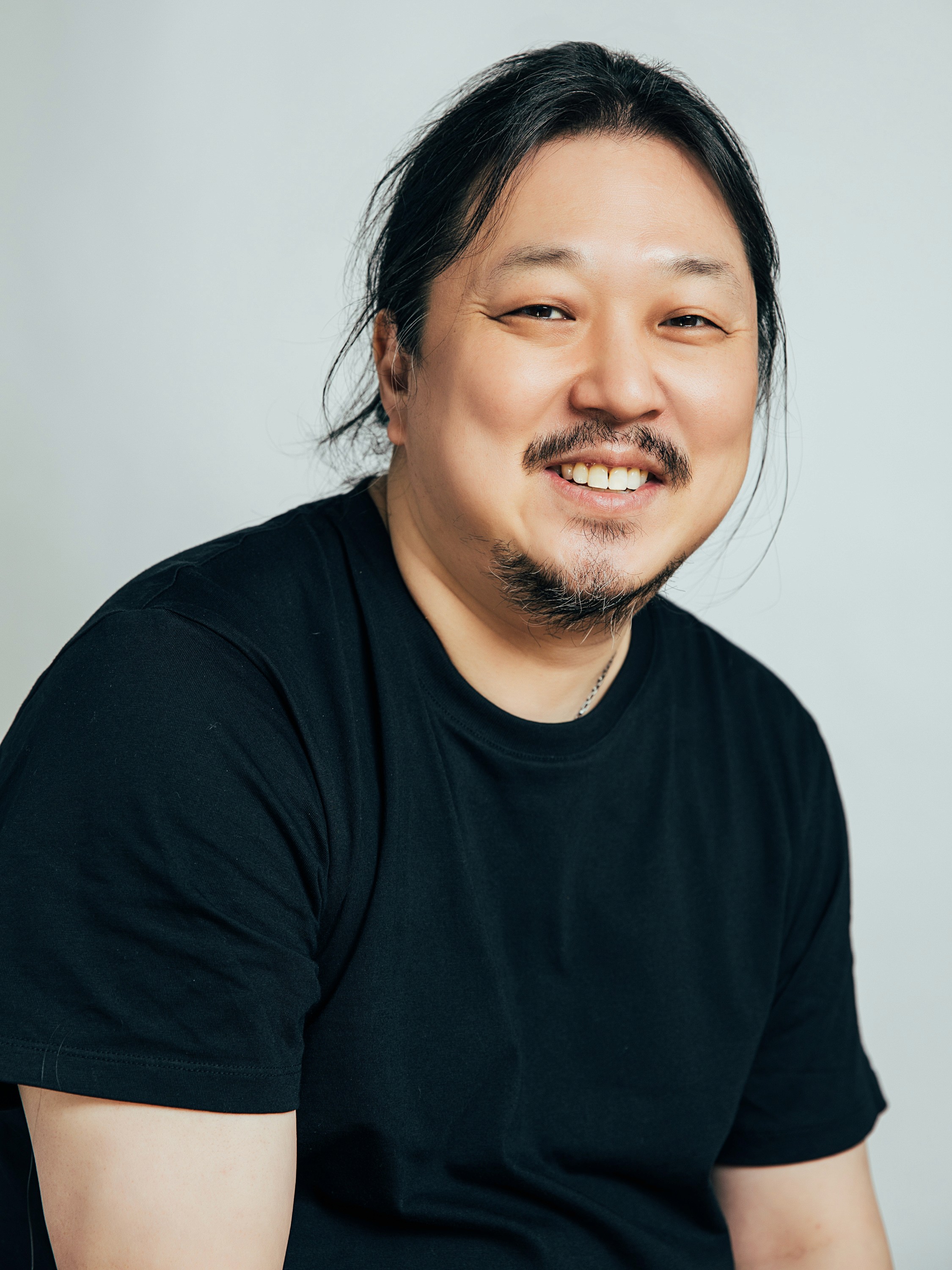
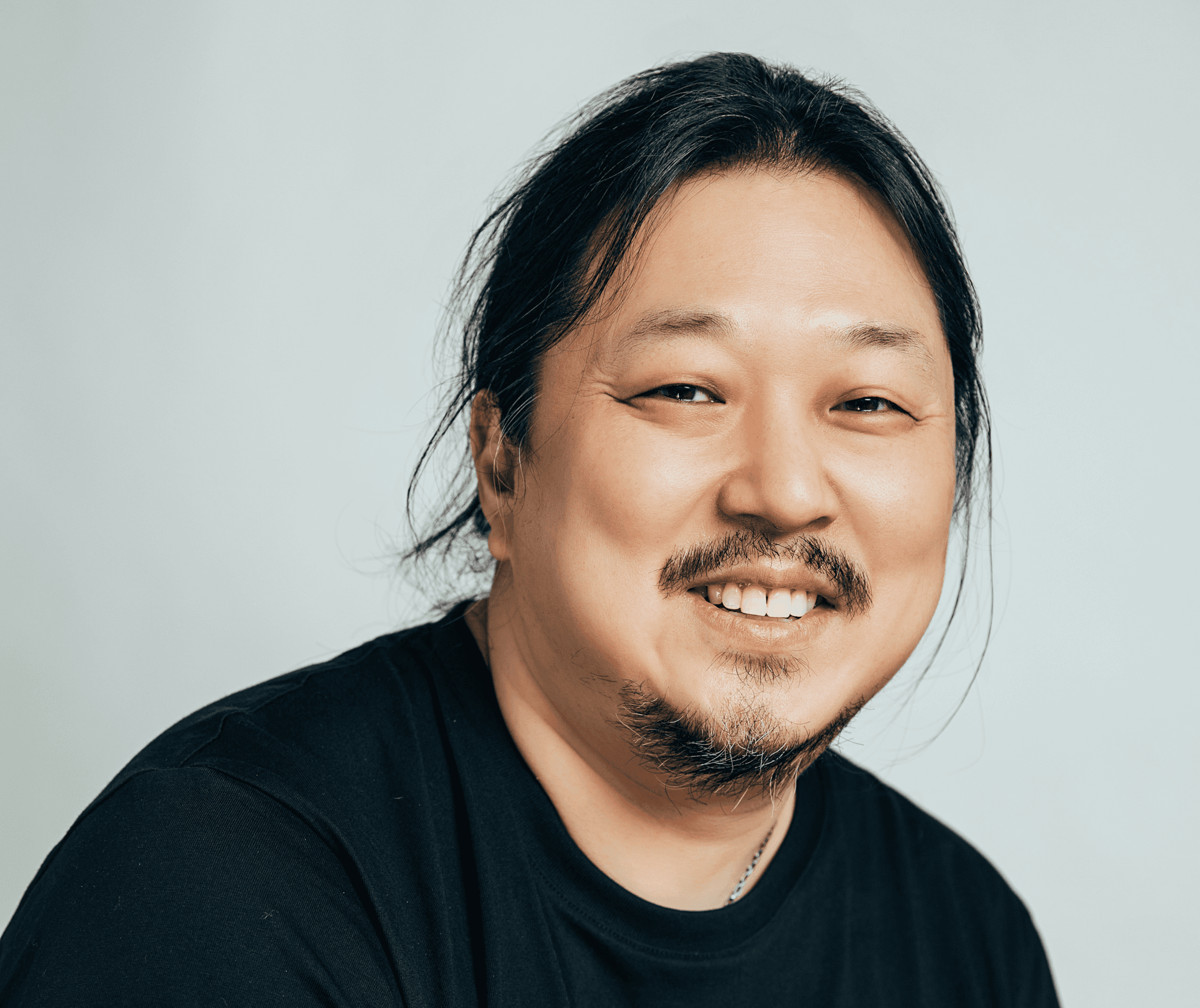
At the center of that effort is Samuel Jamier, president of the New York Asian Film Foundation and executive director of the festival. He has helped guide its artistic expansion and fundraising for more than a decade. His relationship with Asian cinema, however, began long before it became his profession.
Born in Korea and adopted into a French family, Jamier grew up in Brittany. In a town where few could tell him anything meaningful about where he came from, films offered an early way of paying attention to Asia. Before languages, academic degrees, or a move to New York, cinema gave him a direction.
Today, he describes NYAFF as “cultural infrastructure”: a place through which films, filmmakers, ideas, and audiences can move. Its value rests in the conditions it creates for a work to be seen, discussed, and remembered.
Looking back on the festival’s 25th edition, Jamier spoke about the range of Asian cinema, the pressures facing Korean filmmakers, and why gathering in a theater still matters in an age of seemingly unlimited access.
The following interview has been condensed and edited for length and clarity. Related questions and responses have been combined.
Q. How would you define the 25th edition of NYAFF, and what did you most want audiences to discover?
The 25th edition let us look backward without turning around: twenty-five years of Asian cinema sharing movies, theaters, and summers with the filmmakers and audiences who will decide what it becomes.
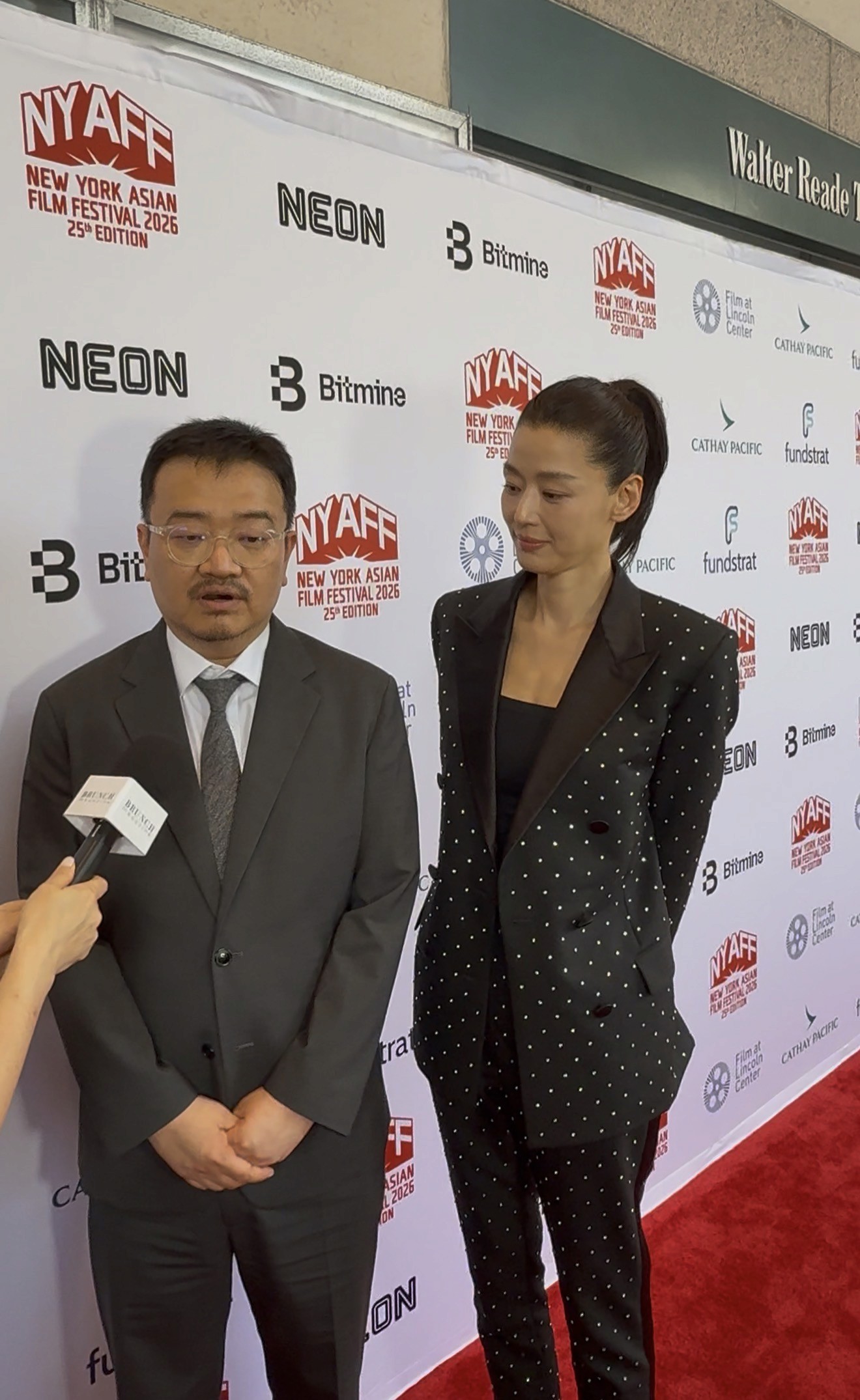
The anniversary gave us a reason to revisit our history without putting nostalgia at the center of the festival. Yeon Sang-ho was with us to open the festival with Colony, and Jun Ji-hyun was also there with the new film. Na Hong-jin came back with Hope, his first feature in a decade, while his early thrillers played across town.
Photography by Brunch Magazine editorial Team
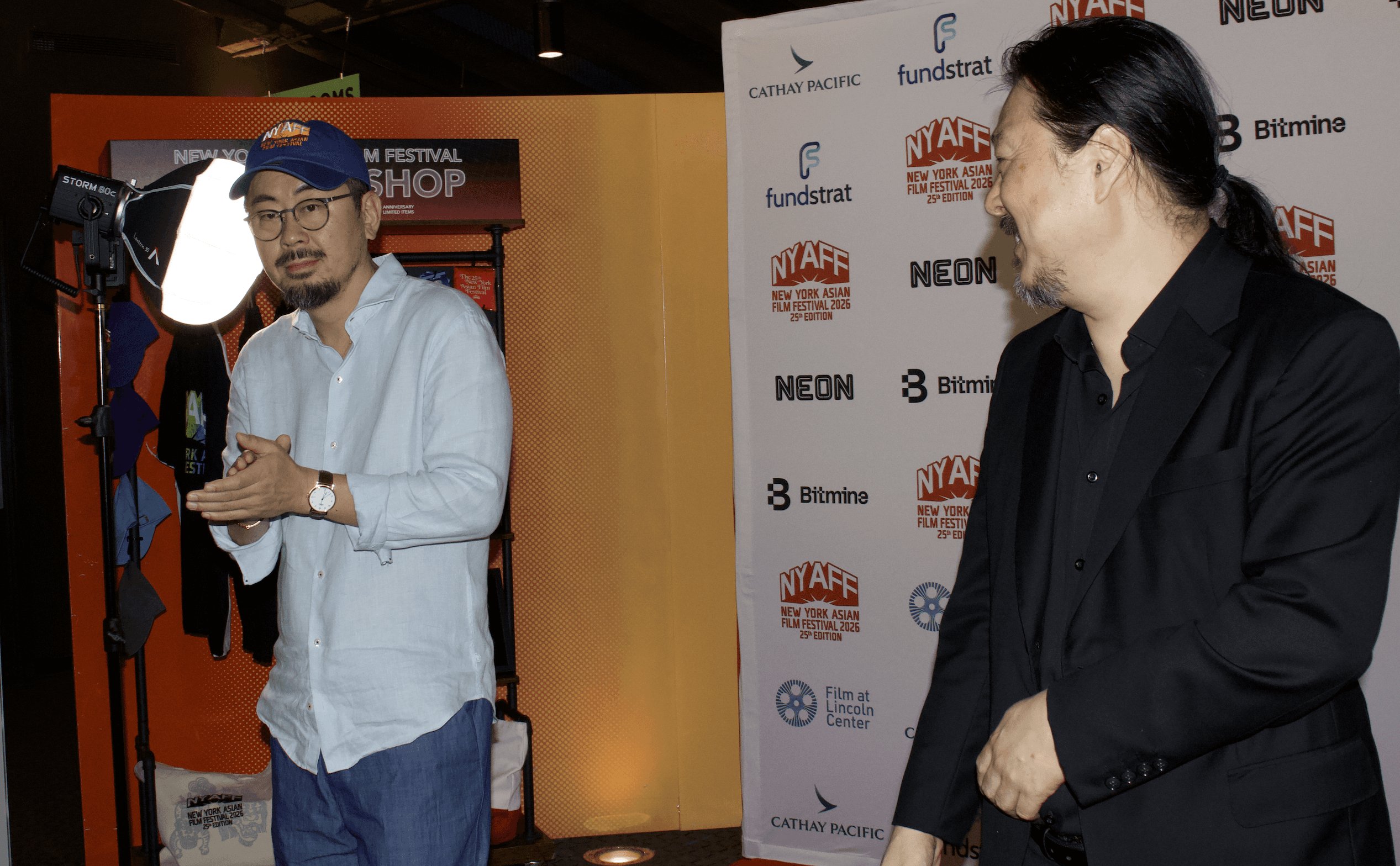
Photography by Rose McElroy, Photography Intern
We wanted audiences to discover the range hidden inside the word “Asian.” A zombie blockbuster, a Filipino first feature, a queer Hong Kong tragedy, a Korean drama about the Jeju April 3 Incident—they can all belong to the same festival without being forced into one aesthetic. There are many Asian cinemas, each with its own history and its own arguments. Our job is to make that range visible in New York, contradictions included.
Q. What is the first question you ask when planning an edition, and which principles have remained constant?

How do we make the festival better? I mean better for the films, the filmmakers, and the audience. Bigger is a different question.
In programming terms, that begins with asking which films stayed with us after the viewing notes were filed and discussed. Sometimes it’s a film we loved immediately; just as often it’s one the programming team argued about for weeks. A film that provokes sustained disagreement can have more life in it than one everyone politely admires and quickly forgets.
The films come first. The lineup has to be organized around a conversation. It isn’t just the sum of its parts. There’s a rhythm to it: an Indonesian movie here on that particular night, a Vietnamese mainstream drama on that afternoon. The movies need to talk to each other.
We’ve never treated popularity as a defect or problem; a crowd-pleaser made with conviction and craftsmanship has the same claim on our screens as a demanding formal work.
The other constant is the audience. Trust is earned one screening at a time, then tested again the following year. The festival has survived because audiences know we’ll take risks without talking down to them.
Q. NYAFF has become part of New York’s cultural landscape. How do you understand its role, and what has allowed it to endure?
I have an instinctive resistance to the phrase “cultural institution.” It’s flattering, of course, but there’s a danger of mummification in the word: status becomes the purpose, the dust settles, and an organization begins curating its own importance.
I’d rather think of NYAFF as cultural infrastructure. Infrastructure has
to remain useful. It exists so that films, filmmakers, ideas, and audiences can move.
What allowed us to survive was perseverance, and the willingness to face the possibility of an empty theater until we proved the audience existed. That audience was scattered: viewers raised on Hong Kong double bills in Chinatown theaters; Asian New Yorkers who wanted to see contemporary cinema from their communities on a large screen; and film lovers of every background who knew they were missing an entire continent of cinema.
The founders recognized that demand in 2002. The festival has spent twenty-five years finding those viewers, introducing them to one another, and growing their numbers slowly and steadily. Embracing a broader spectrum of Asian cinema was an important part of that growth.
Partnership mattered just as much. Film at Lincoln Center gave NYAFF a home and a standard to meet. Other theaters and cultural organizations allowed the festival to grow without losing its character.
Then there is the city’s useful harshness. For all its reputation as culturally adventurous, New York can be surprisingly conservative. The obstacle is the confidence of moviegoers who think they already know what Asian cinema is. People don’t attend because an organization tells them something is important; we have to be convincing.
This year admissions rose 35 percent over 2025 and passed 20,000: thousands of people making a choice, one ticket or ten at a time.
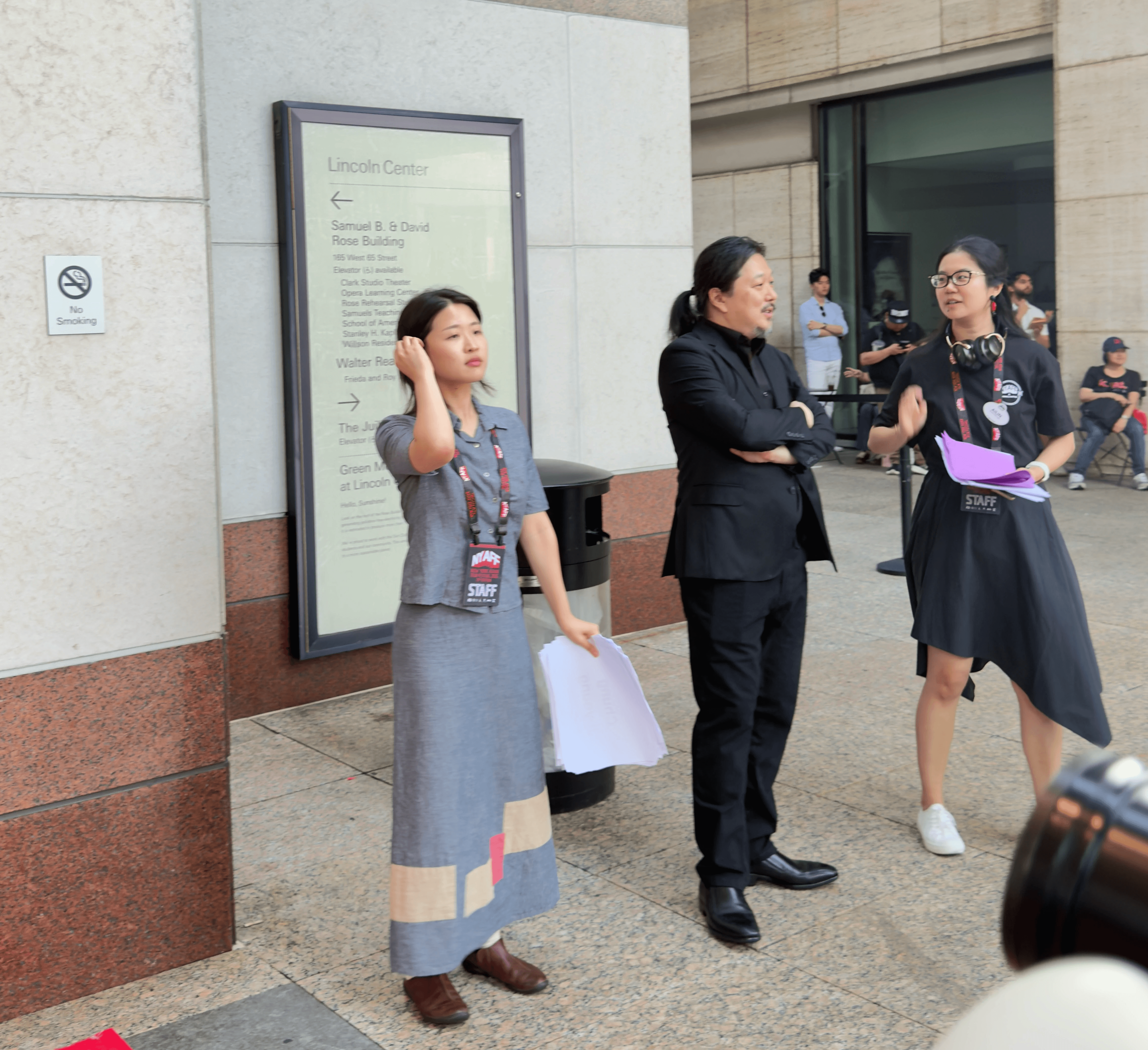
Q. As Asian cinema gains international visibility, what challenges face the next generation? Where do you see Korea’s particular strengths and pressures?
The most important change is that this is no longer a fight over legitimacy. When NYAFF began, a festival still had to persuade gatekeepers that popular and independent Asian films deserved American screens. After Parasite, the global reach of anime, the Korean Wave, and the growth of streaming, that argument is over. Younger filmmakers can address the world without first explaining why their stories belong there.
Visibility, however, is not the same as a healthy structure. Across several major industries, the middle is thinning. The mid-budget theatrical film, where filmmakers once developed craft with meaningful resources, is becoming harder to finance. Capital gathers around a few expensive projects while a large number of small films compete for attention. A successful first feature does not guarantee a path to a second.
Korea’s particular creative strength is the ability to absorb a familiar form or genre and make it culturally specific. The Host is a monster movie about a family and the institutions that fail it; Train to Busan takes the zombie film and locks class and obligation inside a moving train.
Korea also developed an unusual overlap between auteur and commercial cinema. Directors such as Bong Joon-ho, Park Chan-wook, Na Hong-jin, and Yeon Sang-ho can move between major festivals and multiplex audiences without splitting themselves into separate identities. That has encouraged the tonal and formal freedom people recognize in Korean films.
The industry is under strain now. Admissions have not fully recovered, financing has become risk-averse, and much of the talent has moved into series. The trouble is industrial, and policy that reads it as a failure of imagination will aim at the wrong problem.
The next generation can reach audiences its predecessors could barely imagine. The hard part now comes after the first burst of visibility: financing a second film, then a third, then a body of work.
Q. What makes a film feel essential to program, and why does seeing it with an audience still matter?
The quality I look for is necessity. The films we fight for feel as though their directors had to make them, with or without encouragement. A film assembled to satisfy a market trend or a festival formula may be competent in every department and still feel inert. Technique matters, but the intention has to survive it.
I also think about the audience and the reception. Some films work on a laptop and shrink in a theater. Others gain force with every additional person watching. A comedy finds its rhythm, fear travels across the rows, or a full house remains seated through the credits. That collective response is part of cinema’s form, even if it never appears in a screening note.
Streaming solved access and created a new problem: availability without occasion. Nothing in a digital catalogue is urgent; the film will still be there tomorrow, more or less, and tomorrow makes the same promise.
A festival creates the occasion. It gives a film a date, a movie theater, an audience, and a filmmaker who stands in front of the screen a minute after the credits and answers for what we’ve just seen. An algorithm can recommend a film, but it cannot take the seat next to you or laugh at the same moment you do.
Platforms are how most people will encounter most films, and I want the work we champion to reach millions there. A festival makes a film an event in a person’s life.
Q. How should festivals connect with other creative fields while encouraging understanding across cultures?
There is potential, but I don’t think we’re there yet. When other creative industries appear at a festival, they usually appear as decor around the film, and the conversation between the forms rarely happens. Most of the inventing has yet to be done.
This edition made a start. We placed an exhibition on the Jeju April 3 Incident beside two films that engage with that history. We included a cine-concert, a mahjong event, public panels, night markets, and a free BTS documentary screening that brought many people into a film-festival setting for the first time.
Audiences may enter through music, food, fashion, games, or publishing and let cinema take them elsewhere. My caution concerns the center of gravity. When the film becomes background content for the lifestyle surrounding it, the event may succeed socially while the festival loses its purpose. The screening remains the object everything else orbits.
I worked in cultural diplomacy for years, first at the Cultural Services of the French Embassy, then at the Korea Society and Japan Society in New York. Cinema travels further because it does not begin by trying to persuade. A film puts you in somebody’s kitchen, their commute, their fear, their grief, for two hours. You leave the theater having paid attention to a life you will never live.
A festival’s responsibility is to preserve that specificity. We owe the films honest context, and we owe the audience unscripted time with the artists. The temptation is to make a country look coherent, agreeable, and easy to brand; cultures contain contradictions and arguments. The arguments are worth showing.
This year, many viewers learned about the Jeju April 3 Incident for the first time through two very different Korean films. The history entered with the characters and story, but it stayed with the audience.
Q. Looking back over twenty-five editions, what does a great festival make possible—and what does cinema mean to you personally?
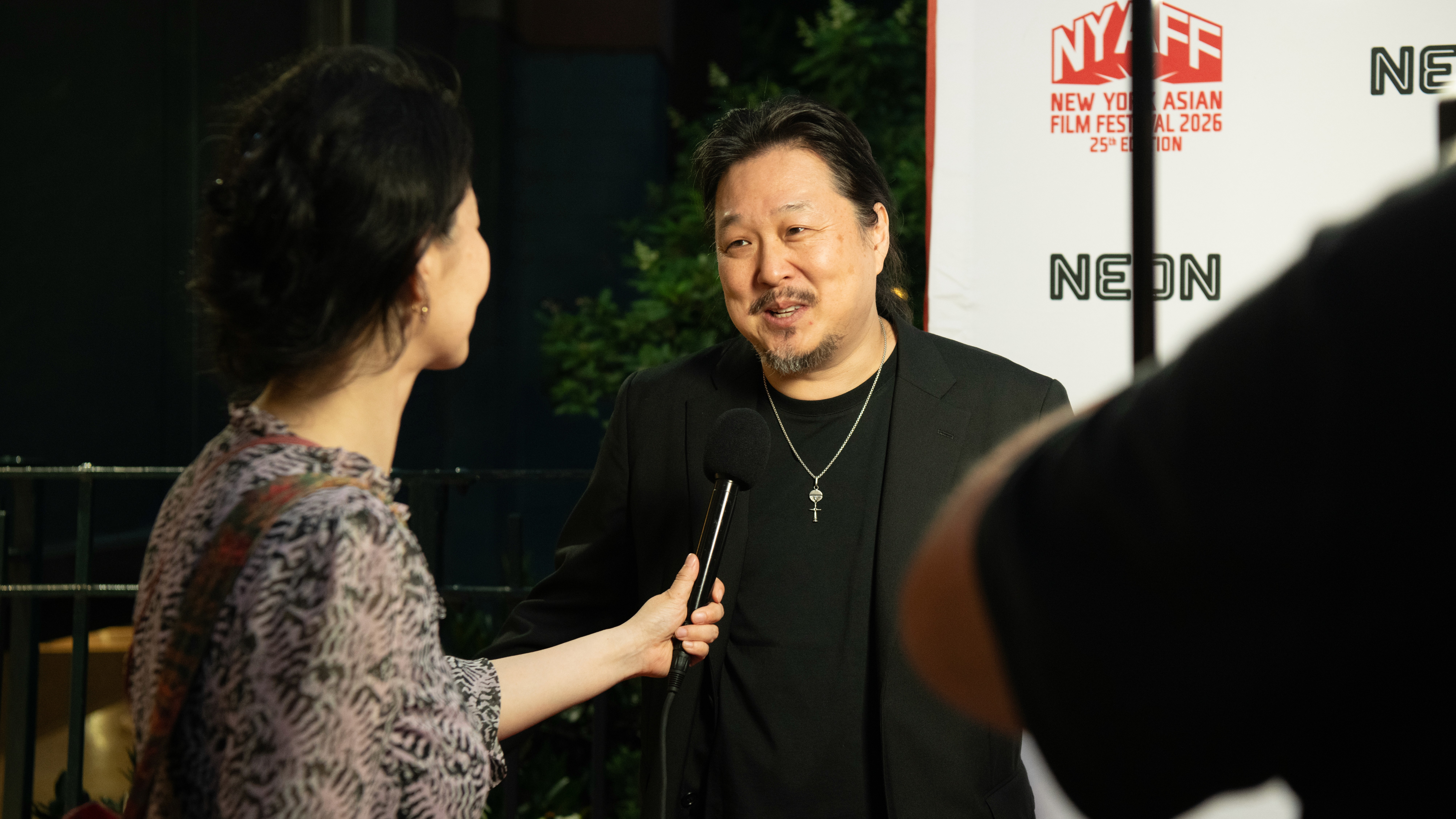
Photography by Hyun Ihm, Photography Intern
Discovery is perhaps the smaller half of the job, although it gets most of the romance. The film exists before we find it, and a programmer opening a submission link deserves far less credit than the person who made the work.
A festival creates the condition of attention: the best 35mm print, the filmmaker in person, an audience ready to look closely, and the projection done right. Then come critics’ reviews, the conversation that changes the interpretation of a film, or the distributor in row F.
A great film can be made in isolation, but it becomes culture only when people see it, argue about it, and pass it on.
That belief changed how I lead. Early in my career I wanted to embody the taste of the festival. Now the taste is deliberately collective. Our programmers argue, and my job is to protect the conditions in which their choices can land: the venues, funding, partnerships, guests, and trust on both sides of the screen.
Cinema’s meaning for me is inseparable from my own biography. I grew up as a Korean adoptee in Brittany, in a town where nobody could tell me anything true about where I came from. Films were the first way I paid sustained attention to Asia, before the languages, the degrees, or the move to New York. They gave me a direction long before anything I would call an identity.
There’s more to watch than any lifetime can hold; what runs short is attention and company. In a theater, strangers agree to look in the same direction and feel together. That desire survives every technology. The plan is to keep creating the space.
Throughout the conversation, Jamier returns to the audience. Questions about industry, international recognition, and cultural institutions ultimately lead back to the people sitting before a screen: whose lives they might encounter, what they might see differently, and whom they might tell afterward.
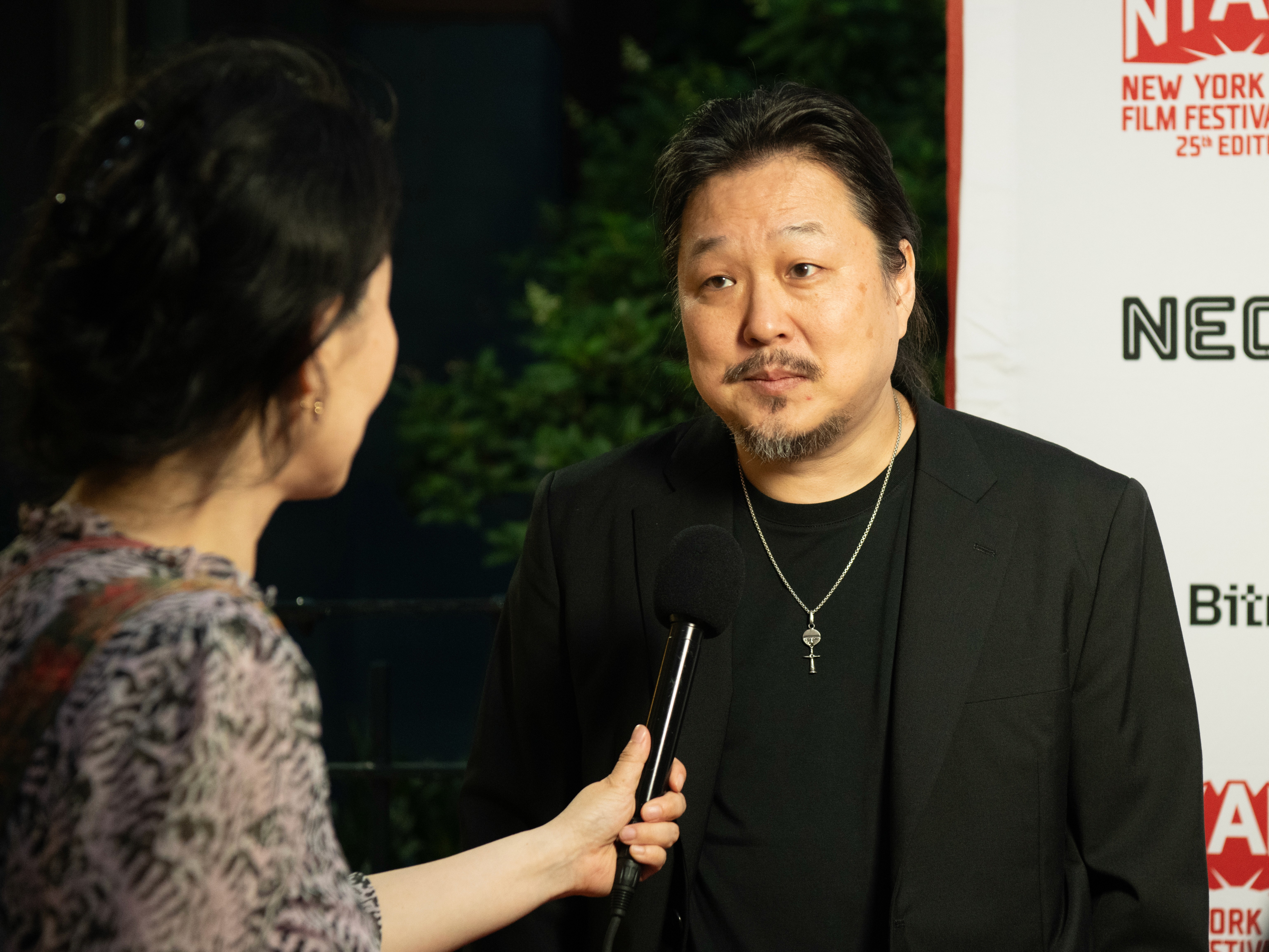
Photography by Hyun Ihm, Photography Intern
For a boy growing up in Brittany, cinema opened a path toward a world he could not yet explain. In New York, his work helps make encounters of that kind possible for others. As NYAFF moves beyond its 25th edition, its next chapter begins with a familiar invitation: take a seat, give a story your attention, and see what happens when you watch together.