The Man Who Keeps Following the Story
Brunch Magazine
Still Becoming
For South Korean television producer Lee Dong-won, a life does not need to be defined by a single title or even a single dream.
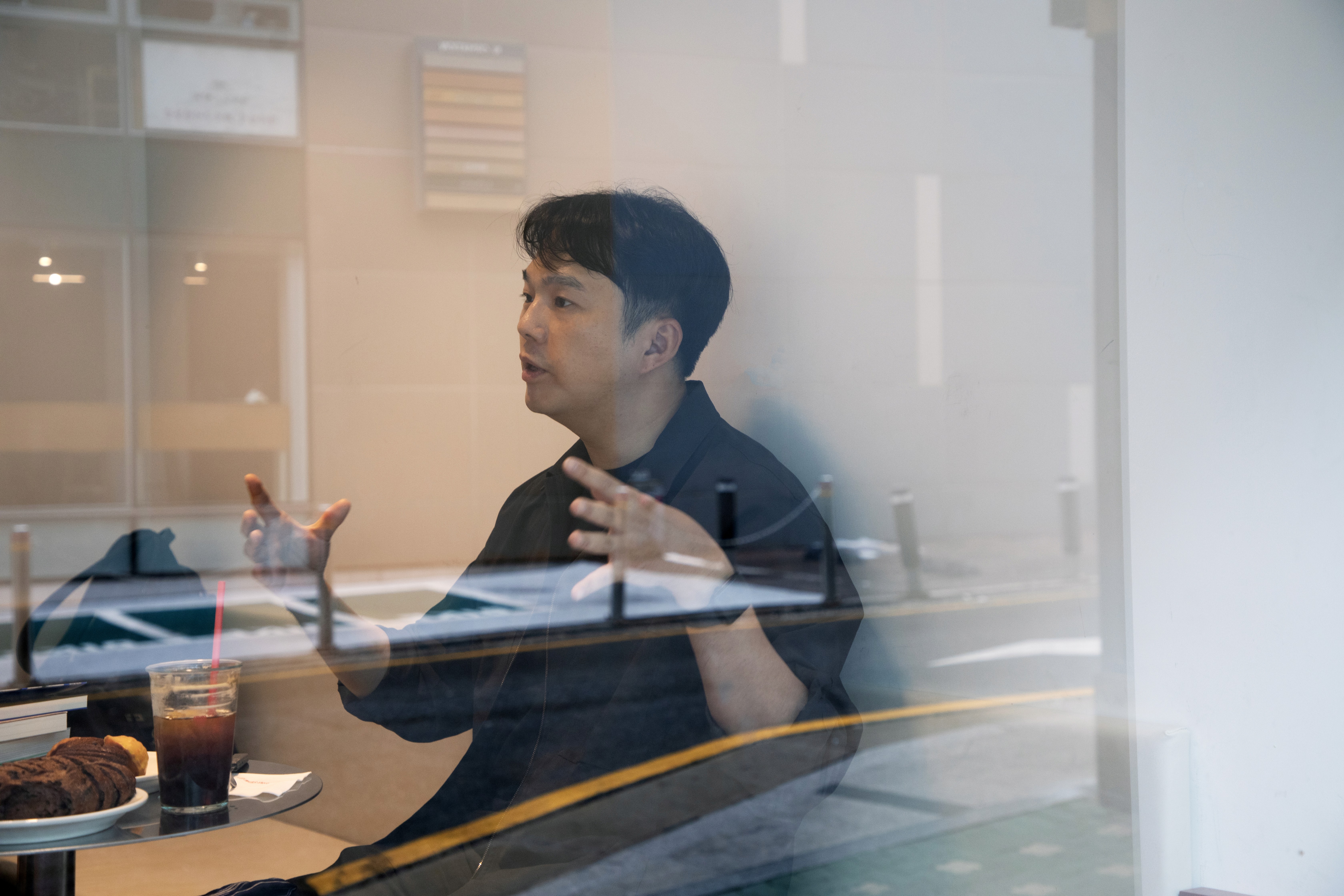
ⒸAllen Kim | Brunch Magazine
Some people build their lives around a destination.
Lee Dong-won has never been entirely comfortable with that idea.
A television producer, storyteller, lecturer and author, Lee has spent much of his career at SBS, one of South Korea’s major national television networks, working in an industry where stories are produced on enormous scales but often remembered through the smallest human details.
Yet when Brunch Magazine met Lee in Seoul and asked him about his ultimate dream, he did not name another television program, a higher position or some distant professional achievement.
Instead, he went back to elementary school.
As a child, Lee disliked being asked to write down what he wanted to become when he grew up.
If he wrote “teacher,” he wondered, and eventually became one, what would happen to the dream afterward?
Would it simply disappear?
So one year, he wrote something else.
“Power Ranger.”

ⒸMighty Morphin Power Rangers at the 2018 San Diego Comic-Con.
It is an amusing childhood memory. But somewhere inside it is an idea that still seems to explain the person Lee has become.
He never wanted a profession to become the final definition of who he was.
And decades later, he still seems reluctant to finish that sentence.
The Difficult Work Behind a Simple Story
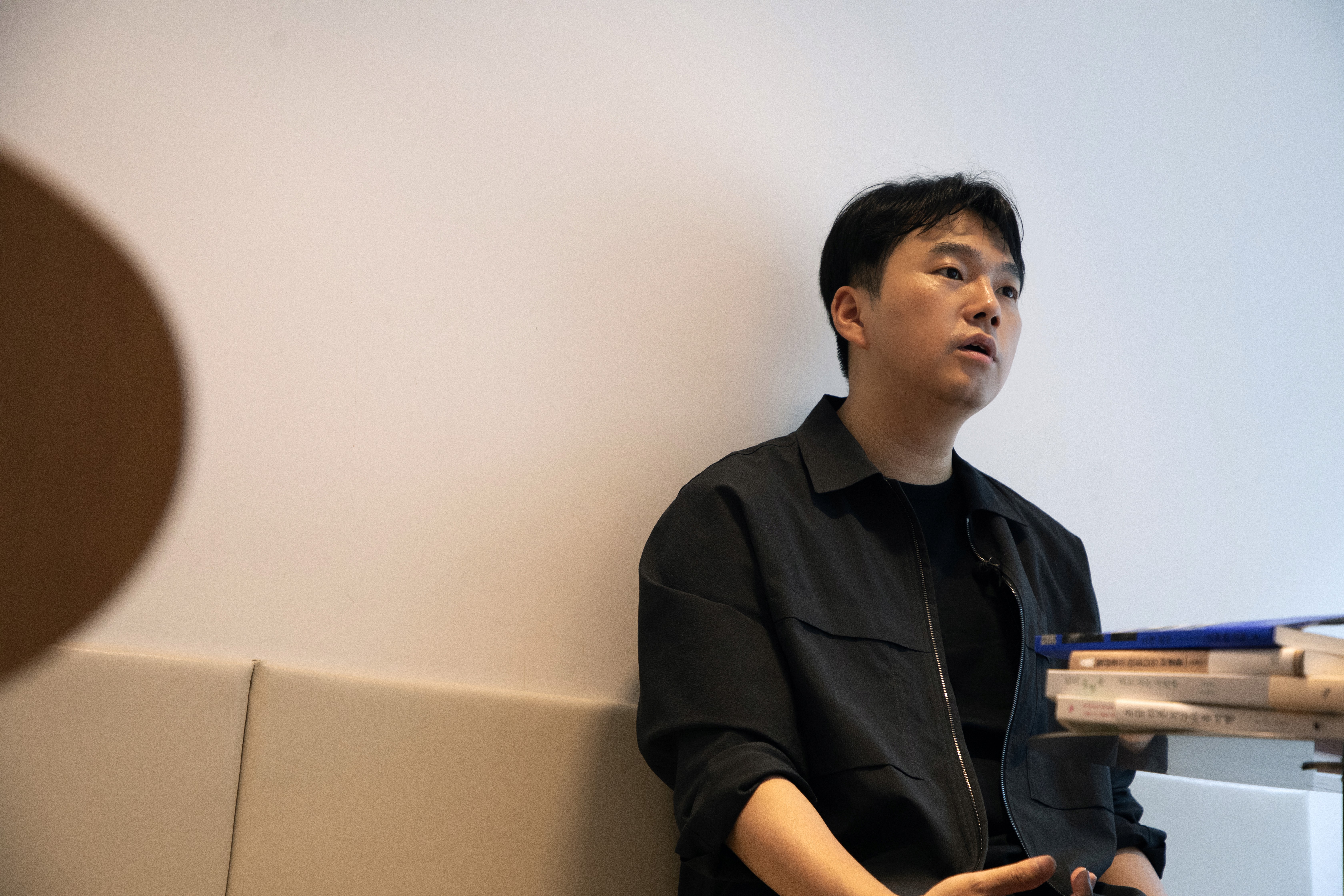
ⒸAllen Kim | Brunch Magazine
For audiences outside Korea, one of the best ways to understand Lee’s approach to storytelling is through Kkokkomu the shortened Korean name for The Story of the Day When the Tail Bites the Tail (Kkorie Kkorireul Muneun Geunal Iyagi).
Broadcast by SBS, the long-running Korean storytelling program revisits significant events and episodes from Korea’s modern history, but rarely approaches them as conventional historical documentaries.
Instead, the story often begins with a person.
Someone who was there.
Someone who witnessed what happened.
Someone whose ordinary life suddenly intersected with an extraordinary event.
That distinction matters to Lee.
Rather than beginning with a statement such as, “In this year, this event occurred,” the program gives someone a name and a face and allows the audience to move through history from that person’s point of view.
An event becomes an experience.
History becomes human again.
That apparent simplicity, however, requires an extraordinary amount of work.
Behind the conversational format is a large production operation involving producers, writers, researchers and production staff. Facts must be verified. Archives must be searched. People must be located. Interviews must be conducted. Legal and ethical questions must be considered.
And then much of that labor has to disappear.
Guests often enter the studio knowing little about the story they are about to hear. Their surprise, silence, questions and emotional responses need to remain genuine.
The paradox is striking:
The more effortless a story feels, the more deeply someone may have worked to understand it.
For Lee, making something easy to understand has never meant making it simple.
It means understanding its complexity well enough to know what can be left unseen.
When a Story Belongs to Someone Else
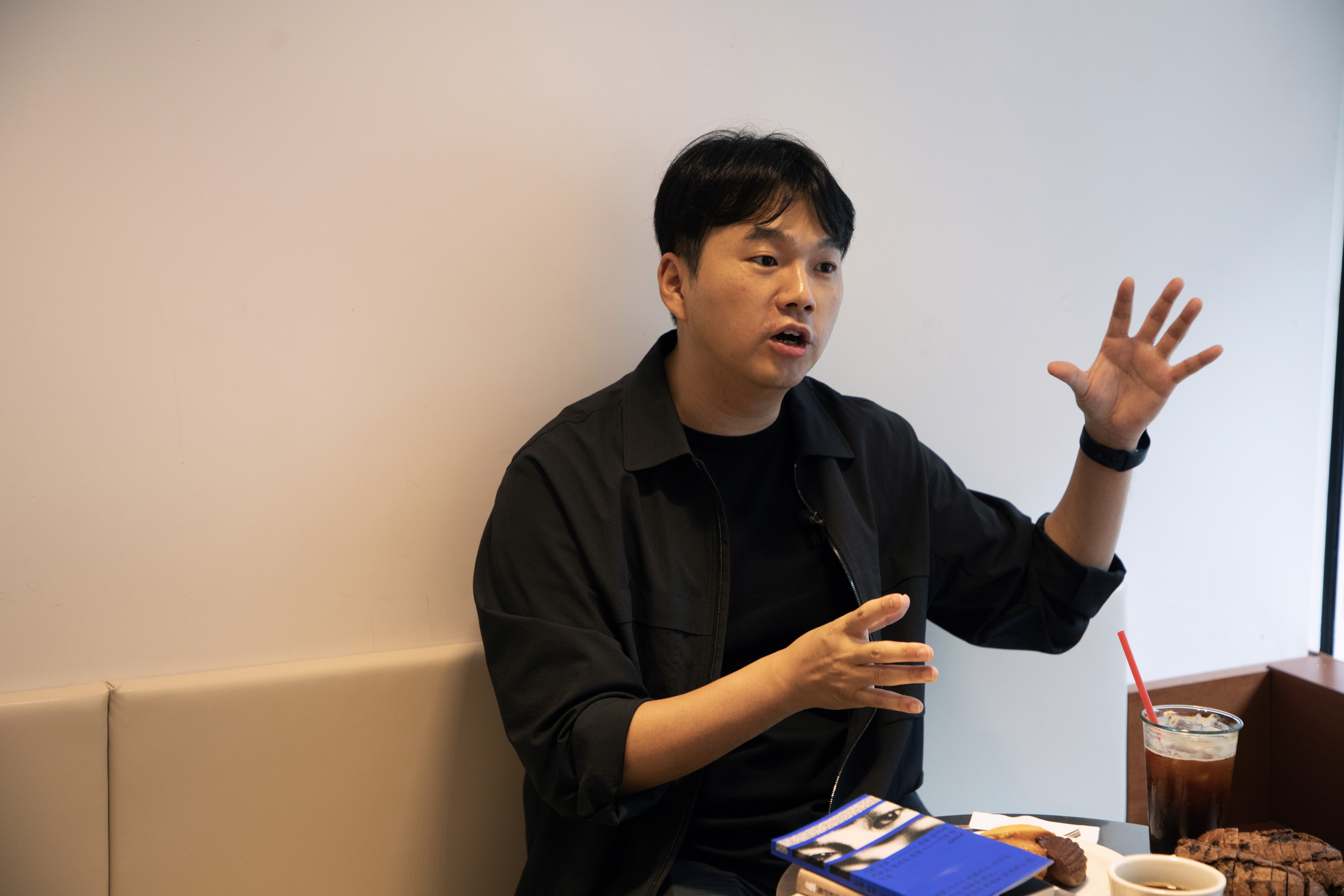
ⒸAllen Kim | Brunch Magazine
There is another dimension to telling true stories that audiences do not always see.
Responsibility.
Behind every case are people who actually lived through it.
Some want what happened to be remembered.
Others have spent years trying not to return to it.
There are families, witnesses, investigators, survivors and people accused of causing harm. A television program may encounter all of them while reconstructing a single story.
For a producer, that creates questions with no easy answers.
There are questions that must be asked professionally but are extraordinarily difficult to ask personally.
Lee recalled situations in which journalistic fairness required him to approach people directly and give them an opportunity to respond—even when the conversation itself was uncomfortable.
It is one of the contradictions of nonfiction storytelling.
A producer is expected to pursue the truth.
But the truth belongs to lives that continue after the cameras leave.
For Lee, storytelling therefore becomes more than deciding what can be uncovered.
It is also deciding how far a story should be told.
Whose voice needs to be heard.
Whose pain should not become spectacle.
And where a boundary should remain.
Sometimes restraint is as important as revelation.
Failure Also Becomes Material
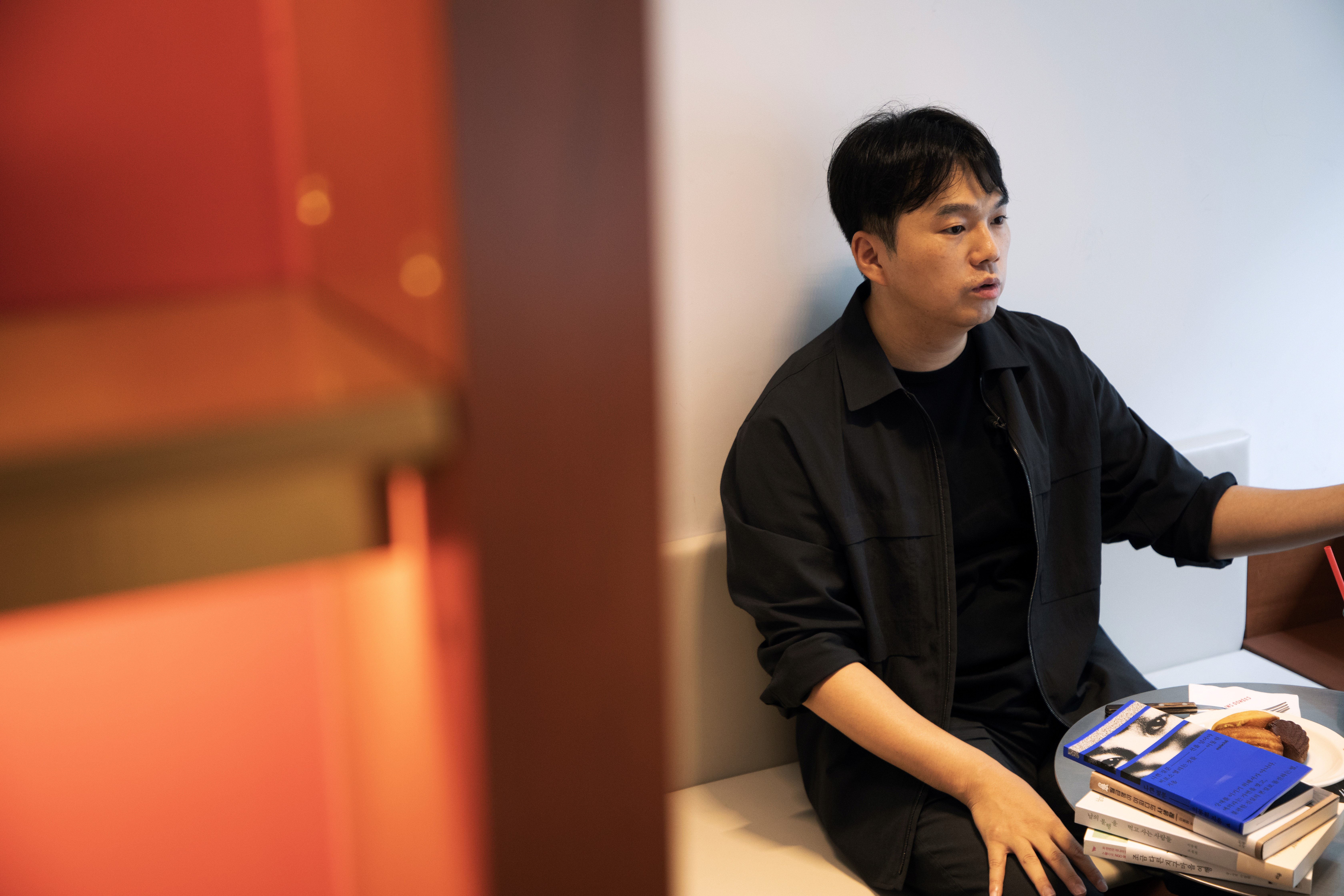
ⒸAllen Kim | Brunch Magazine
Lee does not tell the story of his career as a sequence of victories.
There have been projects that failed.
People he could not meet.
Interviews that required extraordinary patience.
Unexpected legal notices.
Productions that were exhausting while they were being made and enjoyable only in retrospect.
He laughed when describing the peculiar nature of producing television:
“It’s fun when it’s over. While you’re making it, it’s painful.”
Perhaps that is why failure itself eventually became material.
When Lee began teaching university students about content and production, he did not build his lectures only around successful programs. He spoke about mistakes, rejection and things that had not gone according to plan.
Those lectures eventually led to a book.
Even that began unexpectedly.
During a trip to the southern coastal city of Yeosu, severe weather disrupted train service and left him unable to return as planned.
With nowhere to go, he found a capsule hotel.
And there, during a night that had never appeared on his schedule, he began writing a proposal based on the lectures he had been giving.
The proposal eventually became another project.
It is a pattern that appears repeatedly in Lee’s life.
Something happens.
He follows it.
And somewhere along the way, something else begins.
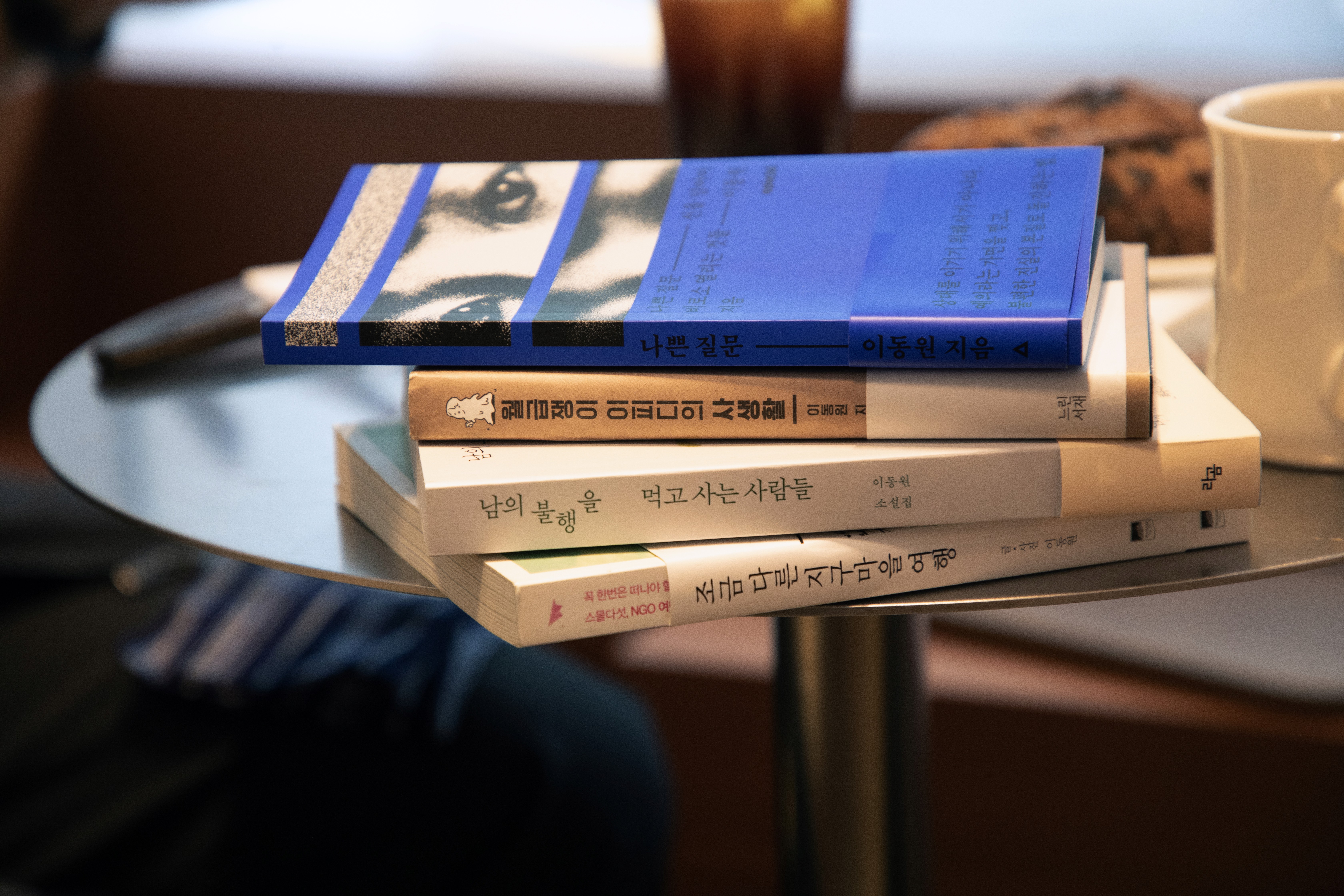
ⒸAllen Kim | Brunch Magazine
Selected works by Lee Dong-won
Bad Questions: What Opens Only When You Cross the Line
나쁜 질문: 선을 넘어야 비로소 열리는 것들 (2026)
The Private Life of a Salaried TV Producer
월급쟁이 이피디의 사생활 (2023)
People Who Make a Living from Others’ Misfortunes
남의 불행을 먹고 사는 사람들 (2026) — 이동원 PD의 첫 소설집
A Journey Through a Slightly Different Global Village
조금 다른 지구마을 여행 (2012)
Curiosity Before Certainty
Lee rarely describes his career as something meticulously planned.
Instead, one word appears surprisingly often in his stories:
proposal.
Someone asks whether he would consider teaching.
Someone suggests turning those lectures into a book.
Another conversation leads toward fiction.
Then children’s storytelling.
Characters.
Intellectual property.
Animation.
New forms of digital content.
His instinct is remarkably uncomplicated.
Try it.
If it does not work, it does not work.
If it does, perhaps it will lead somewhere he could not have anticipated.
It is an attitude that extends to emerging technologies as well.
Lee experiments with artificial intelligence and thinks about how writing might move into video, or how a single idea might travel between television, books, digital platforms, characters and other forms of intellectual property.
The medium is never permanent.
Television itself is changing.
The way people consume stories is changing.
Technology is changing.
What interests Lee is not protecting one format from another.
It is seeing where the story might go next.
A Producer Who Still Doesn’t Know His Dream
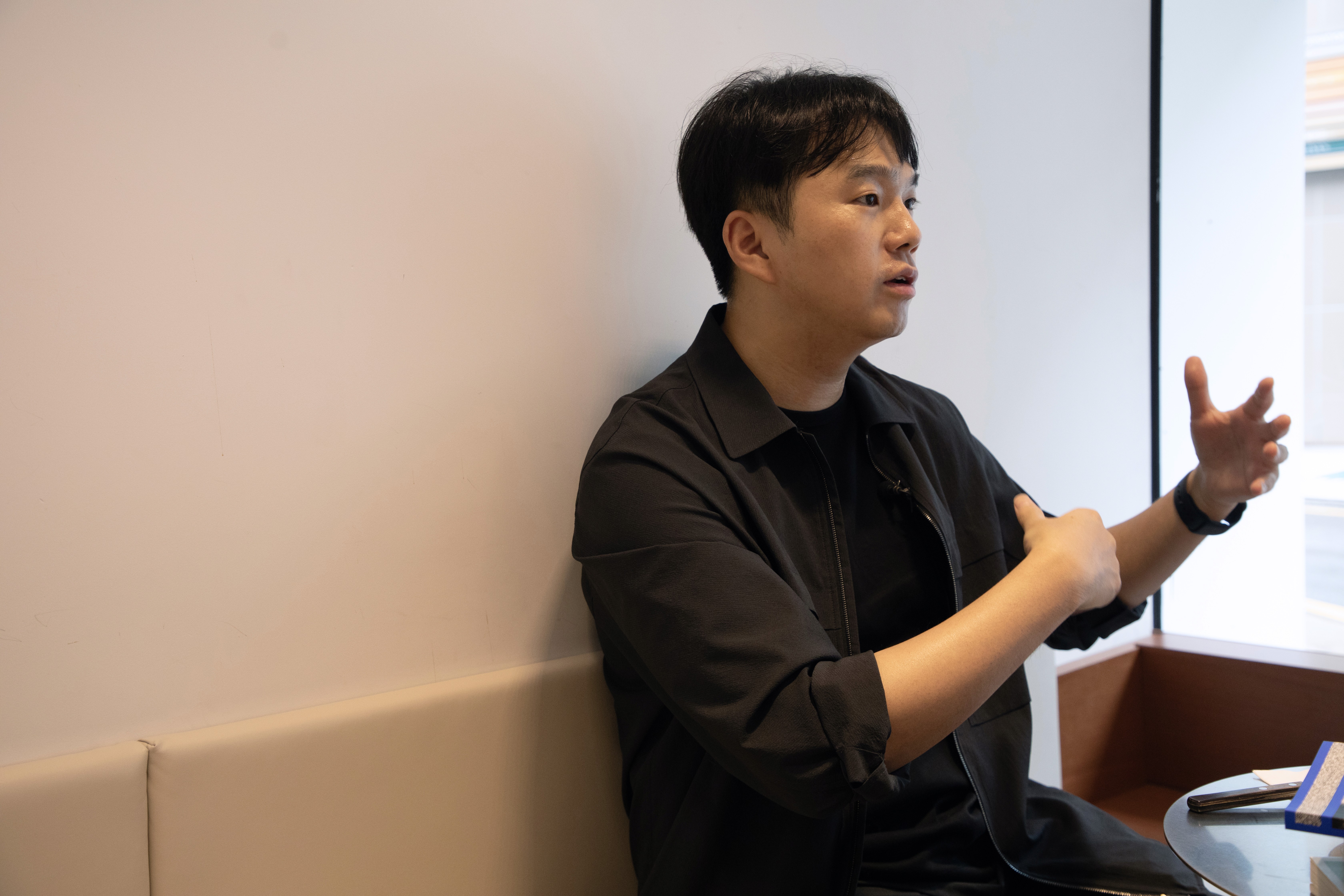
ⒸAllen Kim | Brunch Magazine
For someone who has already spent years creating television, publishing books and teaching younger generations, Lee’s answer to one question was unexpectedly simple.
“What is my dream? I think about it all the time. I still don’t know what my dream is.”
There was no anxiety in the admission.
If anything, it sounded like possibility.
Lee has spent roughly fifteen years within the same broadcasting organization, yet he describes beginning a new television program as something remarkably close to launching a startup.
An idea begins.
People gather around it.
A team is formed.
Something that did not exist before is built.
It goes on air.
And eventually, the project ends.
The team changes.
Another beginning arrives.
The company may remain the same.
The work does not.
Perhaps that is why the childhood question—What do you want to be when you grow up?—has never entirely left him.
The boy who refused to define his dream as a profession eventually became a producer.
But he did not stop there.
He became an author.
A lecturer.
A creator exploring fiction and new forms of storytelling.
And still, he has not decided what he ultimately wants to become.
Perhaps he does not need to.
Keep Moving
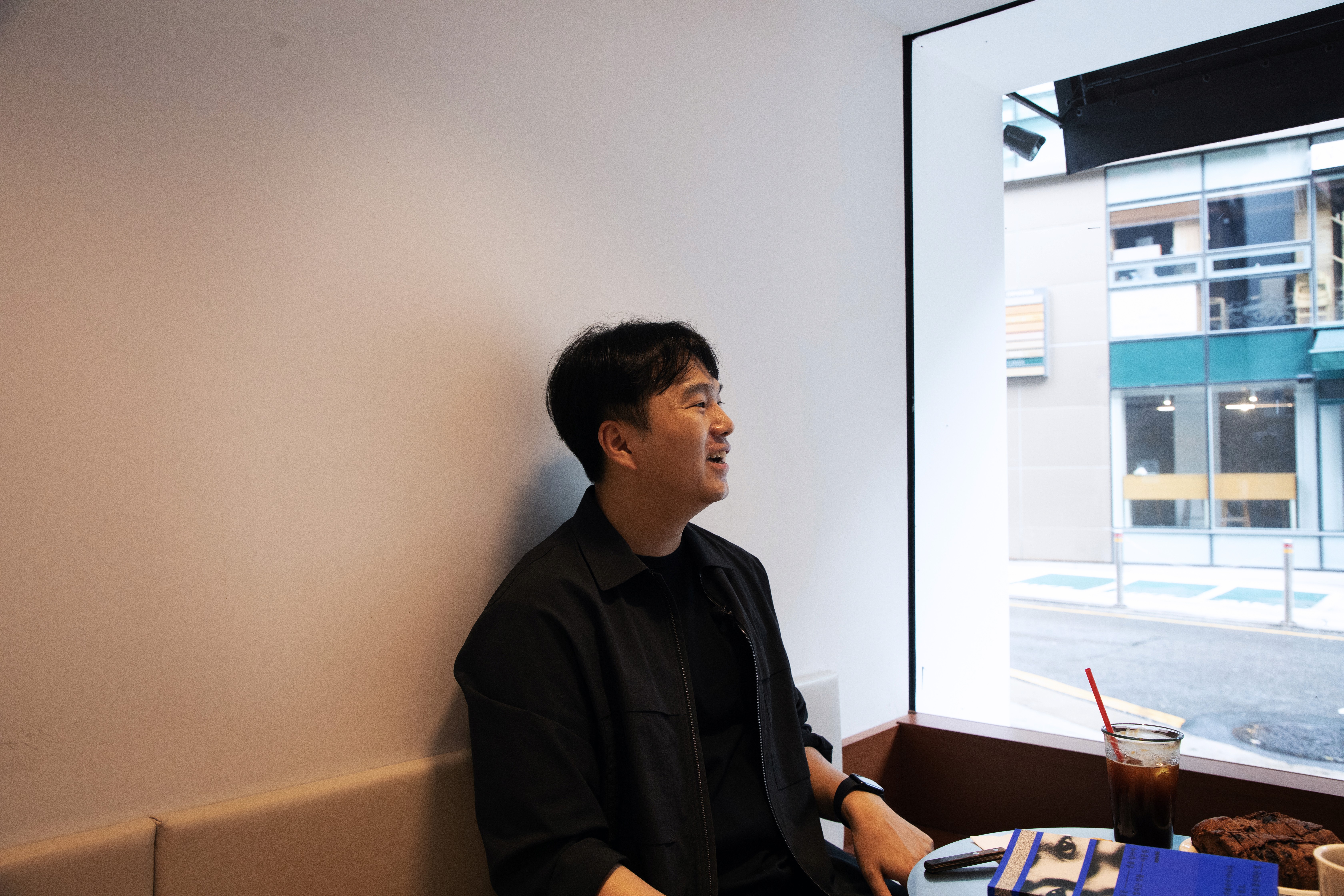
ⒸAllen Kim | Brunch Magazine
Toward the end of our conversation, what remained was not a grand philosophy of success.
It was something smaller.
Movement.
At one point, a student sent Lee a message.
He responded.
That connection eventually led to an opportunity to teach.
The lectures became material for a book.
A disrupted train journey created the unexpected night when the proposal for that book began.
Other encounters disappeared for years, only to return later in entirely different forms.
Lee does not describe any of this as networking.
Nor does he present it as a strategy for success.
His belief is simpler: when you are willing to accept a little inconvenience, go somewhere, meet someone, and remain open to what happens next, good things sometimes emerge.
It is an unremarkable idea until one considers how difficult it can be to practice.
Careers encourage specialization.
Industries reward titles.
Biographies are written backward, making a life appear far more deliberate than it actually was.
We like to believe that accomplished people always knew where they were going.
Lee Dong-won offers a different possibility.
Perhaps a meaningful life does not always require a fixed destination.
Perhaps curiosity can be a direction.
Perhaps uncertainty does not always need to be solved.
And perhaps the willingness to move to meet one more person, ask one more question, try one more unfamiliar thing is itself a way of moving forward.
For someone whose profession is telling stories, there is something fitting about the fact that he has resisted defining the ending of his own.
Lee Dong-won is still becoming.
