What Art Carries Forward
Sanghee Gil
What Art Carries Forward
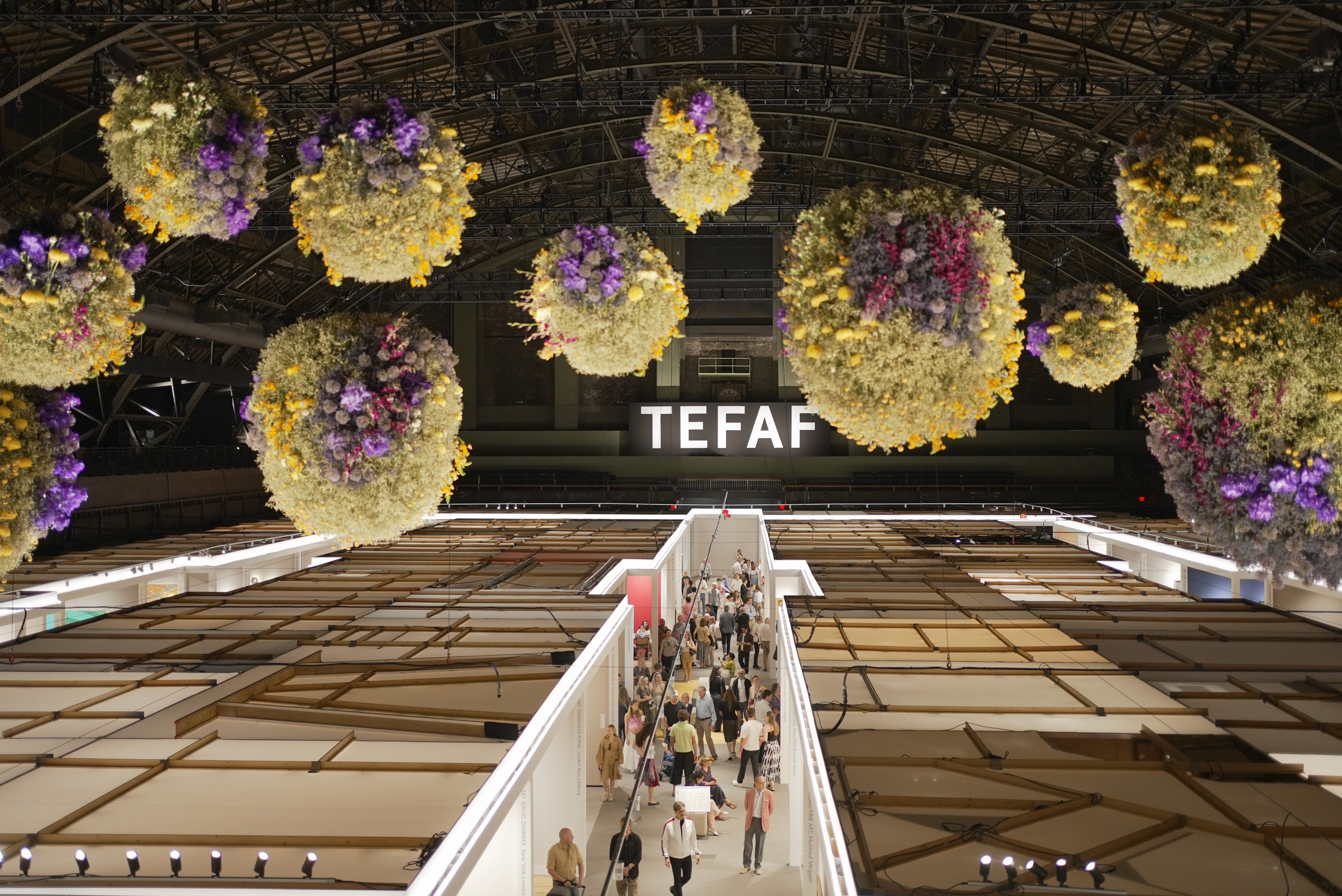
At TEFAF New York 2026, the past was not presented as a closed chapter, but entrusted to the future.
NEW YORK — Every work of art begins in one time and waits to be seen in another.
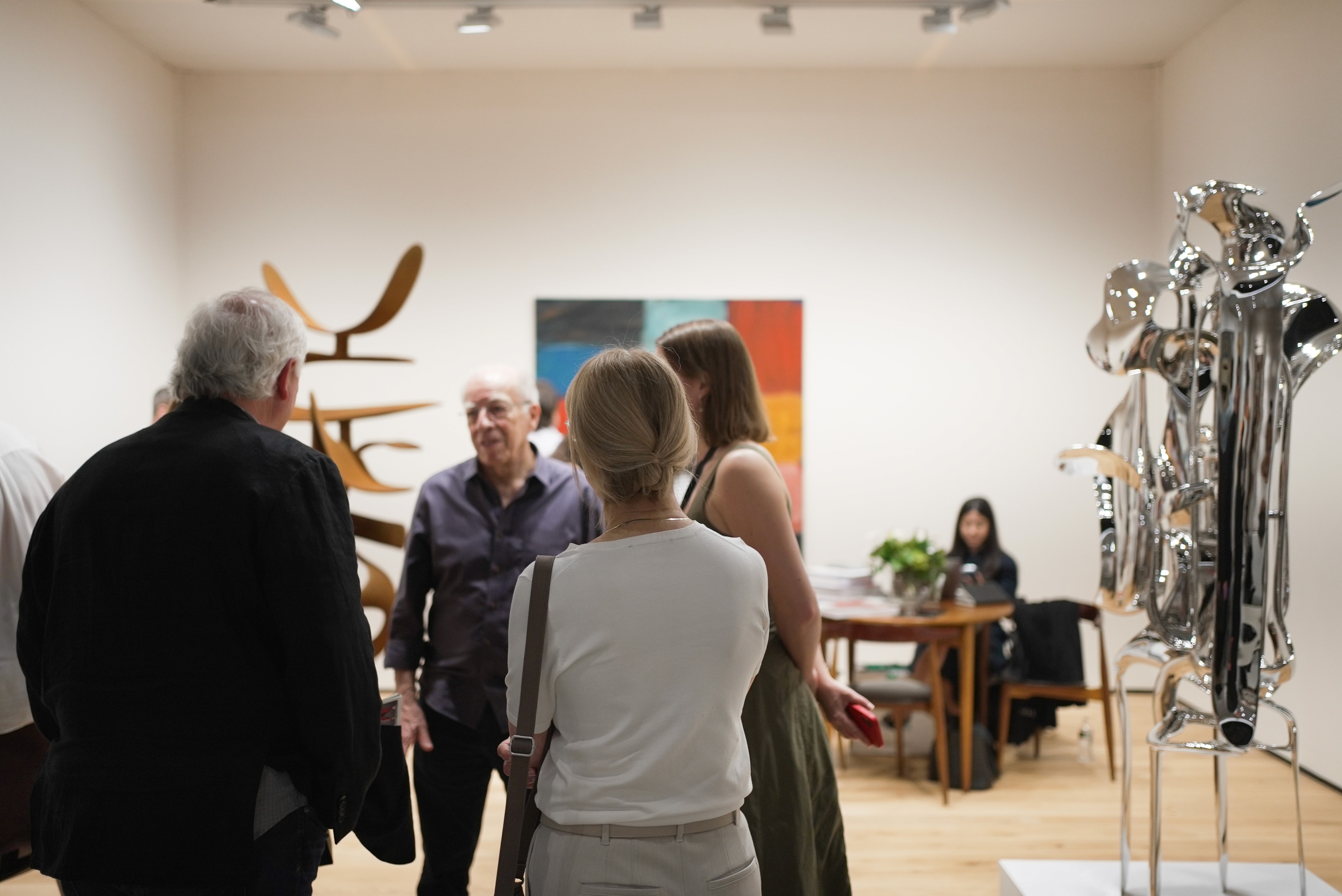
A painting may outlive the room for which it was made. A vessel may survive the hands that shaped it. A chair, a jewel, or a fragment of ancient stone may cross languages, borders, generations, and radically different ideas of beauty before arriving before us.
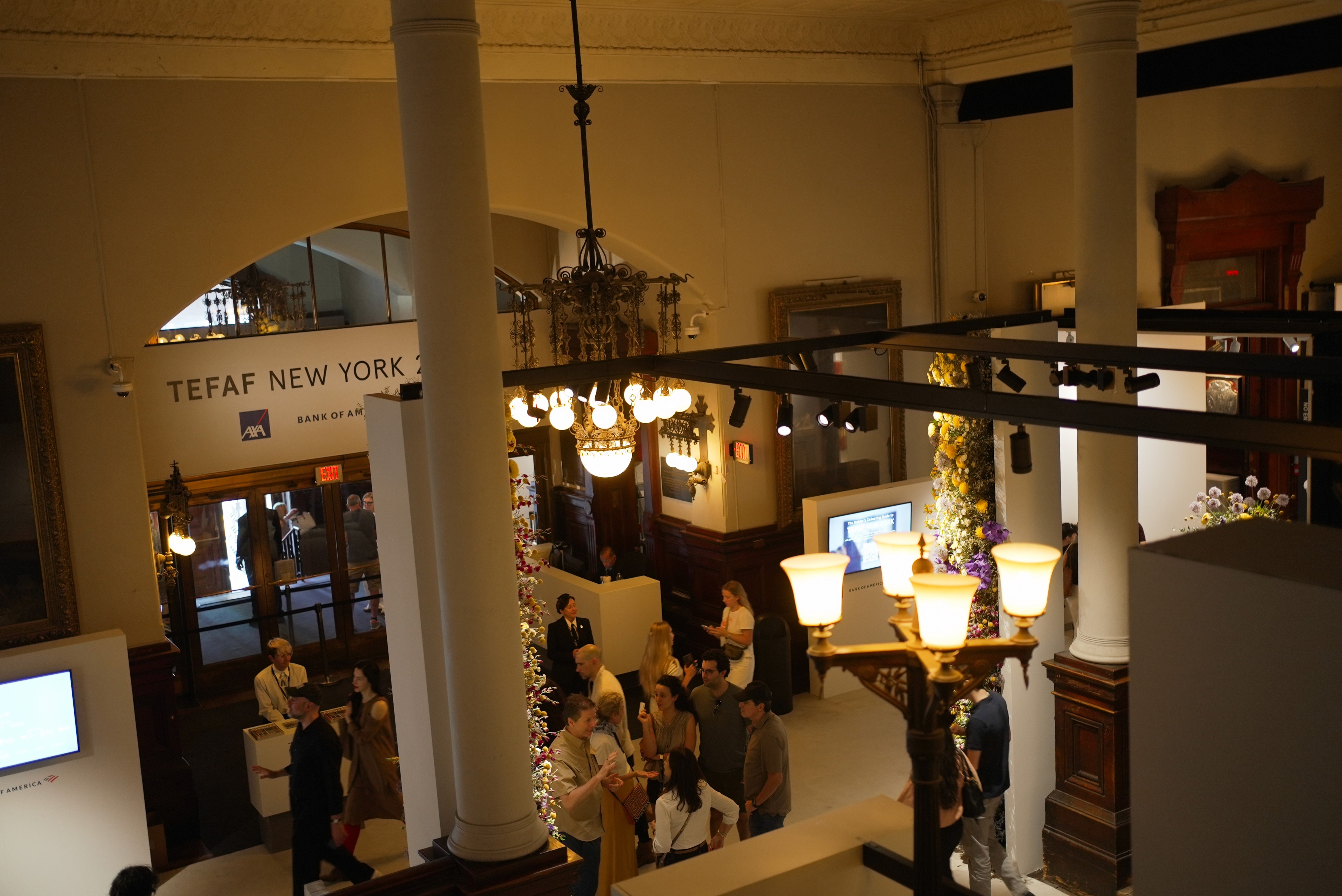
At TEFAF New York, these journeys briefly converged beneath the vaulted roof of the Park Avenue Armory.
Held from May 15 through 19, 2026, following an invitation-only preview on May 14, the fair brought together 88 exhibitors from 14 countries. Their presentations moved across modern and contemporary art, design, jewelry, and antiquities, creating an environment in which chronology was present but never absolute.
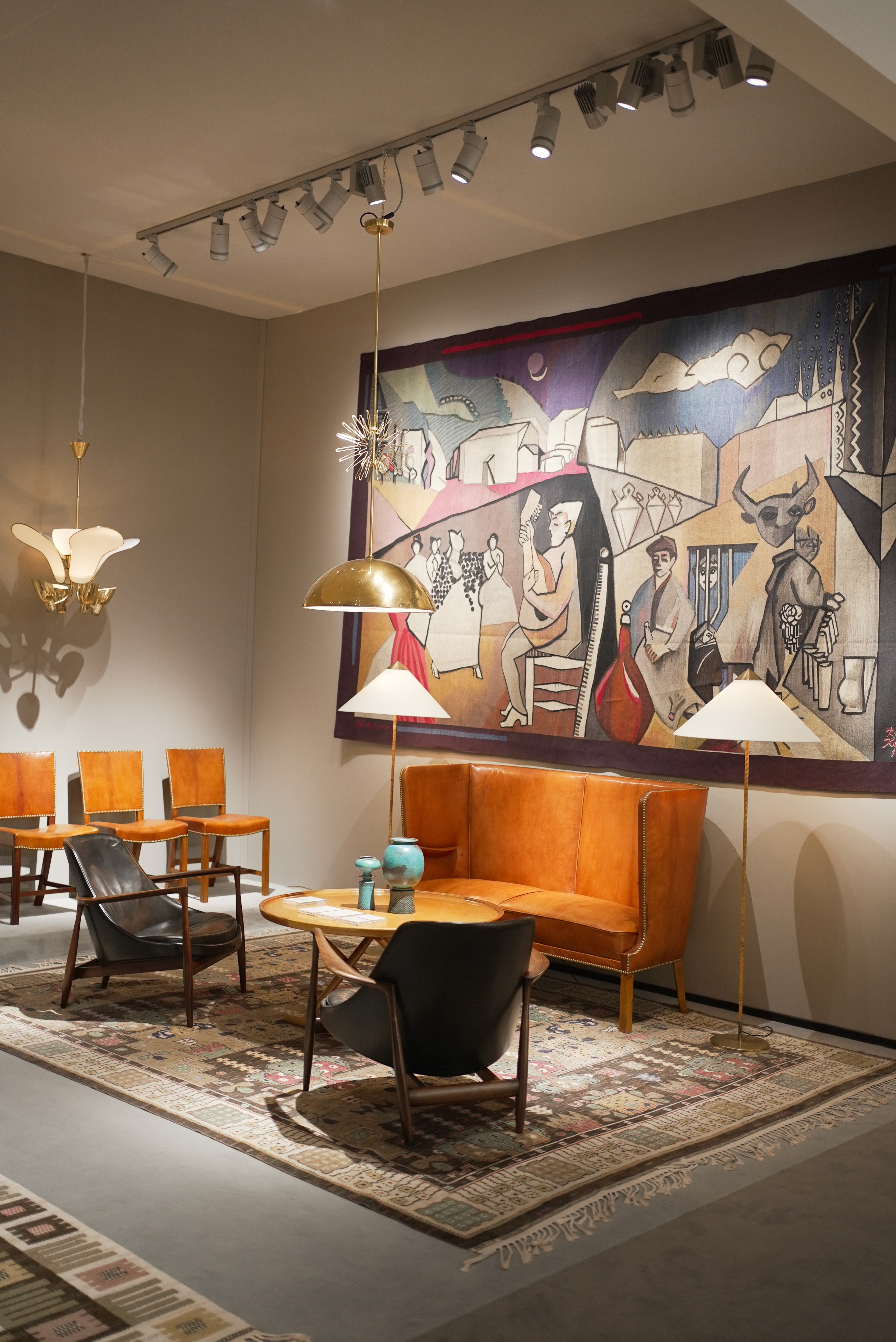
A historic object could stand near a newly completed sculpture. A piece of modernist furniture could enter into conversation with an ancient form. Art was not arranged as a linear progression from old to new, but as a field of relationships between material and memory, private desire and public meaning, preservation and possibility.
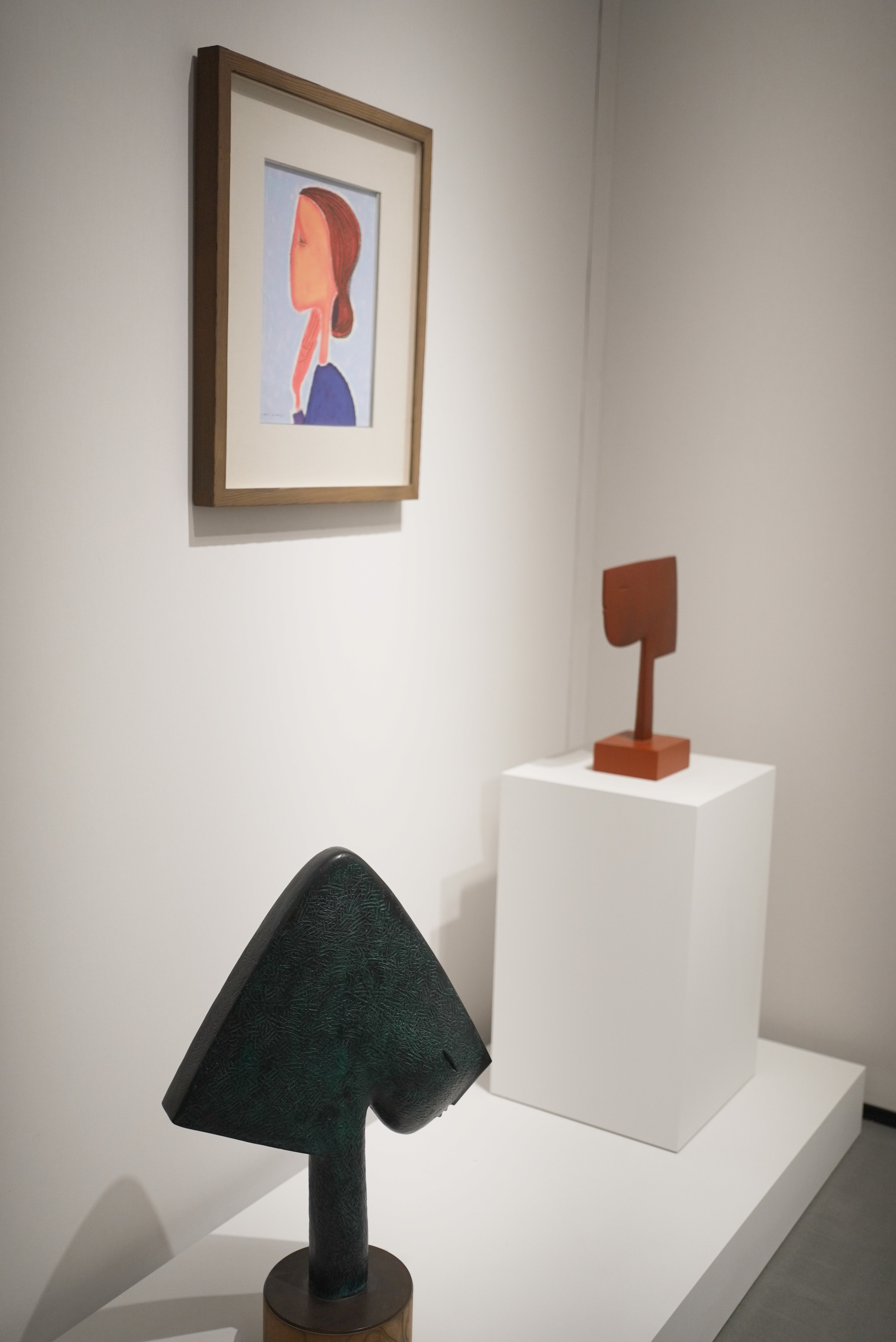
This is where the reason for an art fair begins.
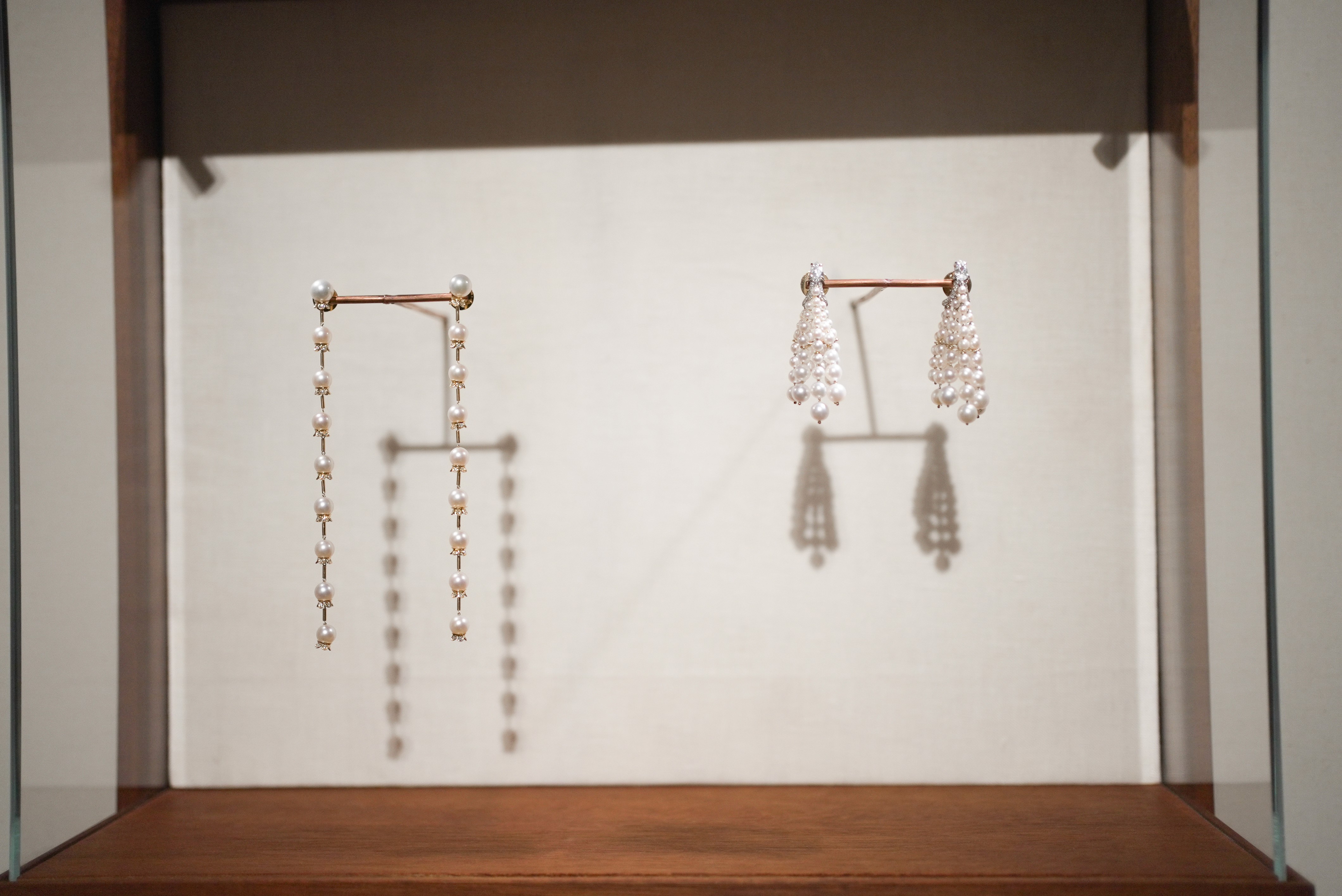
Not simply in the gathering of objects, but in the temporary creation of a world in which looking becomes a serious act.
A Fair Built on Trust
The art market is often described through numbers: prices, sales, records, and demand. Yet before any transaction can carry cultural meaning, there must be trust.
TEFAF was founded in 1988 as a not-for-profit foundation dedicated to expertise, excellence, and diversity within the international art community. Its identity has long been shaped by a rigorous vetting process in which specialists examine the quality, authenticity, attribution, and condition of objects presented at its fairs. The process combines scholarly knowledge with technical investigation, providing a foundation of confidence for private collectors and public institutions alike.
This standard matters because collecting is never concerned only with possession.
To acquire an artwork is to accept responsibility for an object whose life may extend far beyond one owner. Its history must be understood. Its condition must be protected. Its authorship and provenance must be treated with intellectual honesty.
At its best, collecting is therefore not an act of conclusion. It is a form of custody.
TEFAF’s wider work including museum restoration support, cultural heritage education, and initiatives connecting scholarship with preservation reinforces the idea that the art world is sustained not only by visibility, but by care.
The fair’s authority does not emerge from grandeur alone. It comes from the understanding that beauty without knowledge is vulnerable, and that knowledge without responsibility cannot secure the future of culture.
The Armory as a Conversation Across Time
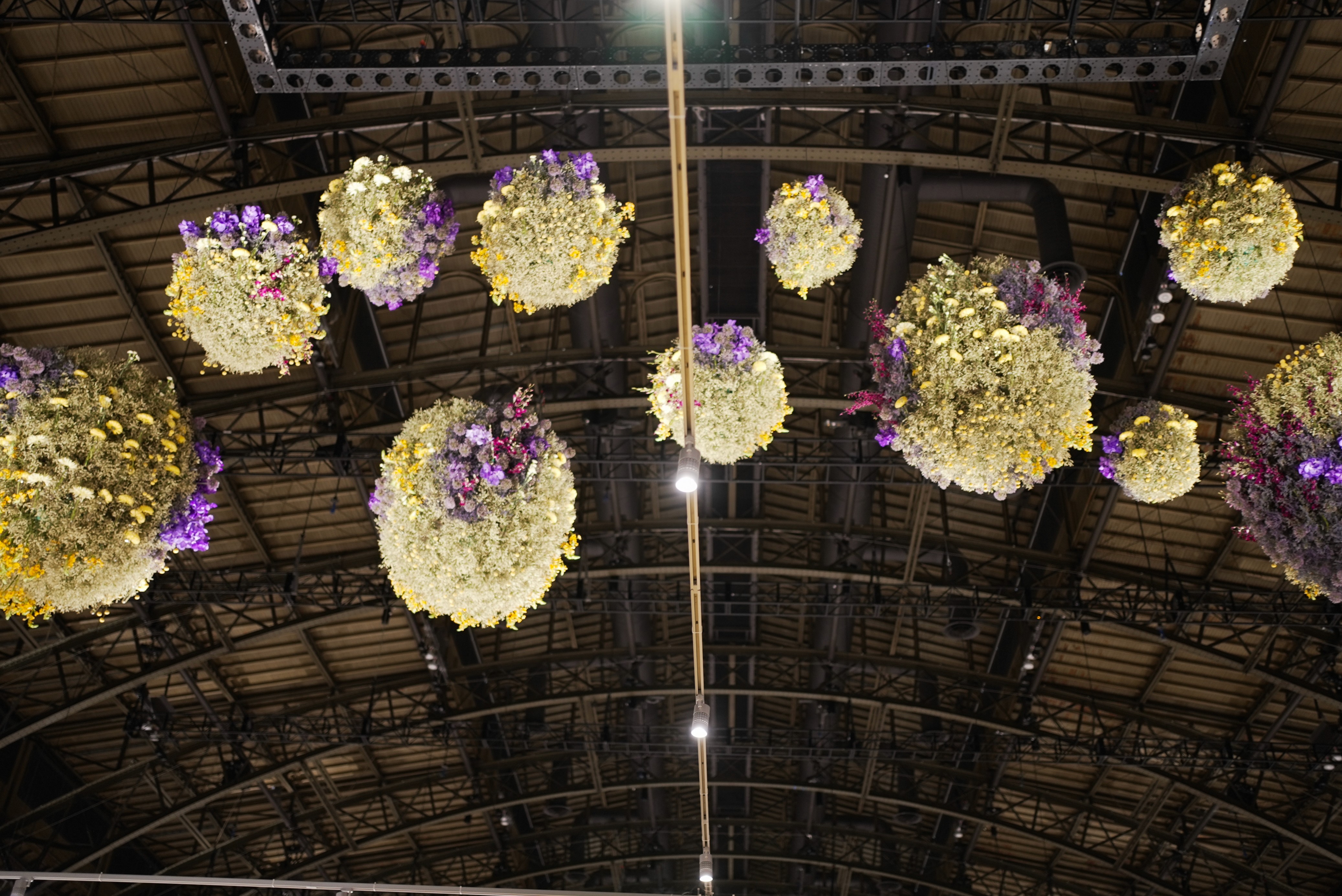
The Park Avenue Armory is not a neutral exhibition hall.

Its vast Wade Thompson Drill Hall carries the scale of civic architecture, while its historic reception and company rooms preserve the layered interiors of nineteenth-century New York. TEFAF remains the only art fair permitted to activate the Armory’s 16 historic period rooms across its first and second floors. Designed by figures and firms including Louis Comfort Tiffany, Stanford White, the Herter Brothers, and Pottier & Stymus, the rooms transform each presentation into an encounter between art, architecture, and time.
Inside these spaces, the conventional white booth gives way to shadowed wood, decorative metalwork, carved surfaces, and the memory of another era.
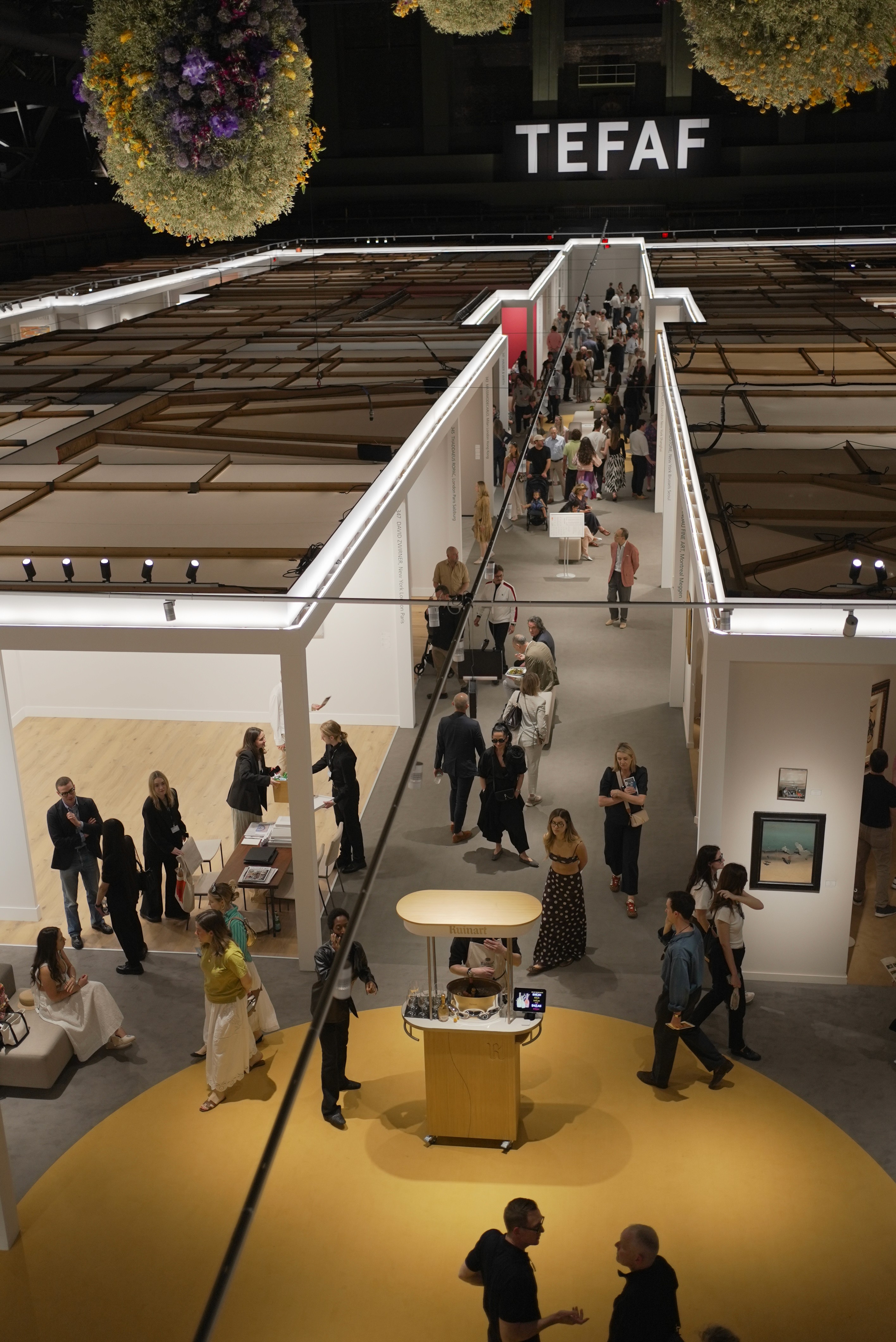
The setting changes the way a work is perceived. A painting does not simply occupy a wall; it responds to a room that has already lived a history. A piece of furniture is returned to the scale of the human body and the intimacy of an interior. Art becomes less isolated and more inhabited.
Even the fair’s seasonal floral installations created through the design direction of Tom Postma Design with Ten Kate Flowers & Decorations served as more than ornament. Their suspended forms softened the monumental architecture, placing the fleeting life of spring above objects created to endure.
That contrast quietly expressed one of TEFAF’s most compelling ideas: permanence is never separate from fragility.
We preserve certain things precisely because time does not preserve everything.
Discovery Beyond Chronology
TEFAF New York distinguishes itself through a breadth that resists the narrow boundaries of period and category. In a city filled with fairs devoted primarily to recent contemporary art, TEFAF maintains a significant emphasis on twentieth-century work while allowing antiquities, jewelry, design, modernism, and contemporary practice to coexist.
The 2026 edition made that breadth visible through presentations that approached beauty from radically different directions.
At Hauser & Wirth, the quiet interiors of Danish painter Vilhelm Hammershøi offered rooms emptied of spectacle. Their restrained light and solitary atmosphere reminded viewers that silence can possess its own architecture.
Among the fair’s many conversations across time and material, two presentations offered especially distinct visions of what it means to carry artistic tradition and human experience forward.
Kathleen Ryan — Where Decay Begins to Glitter
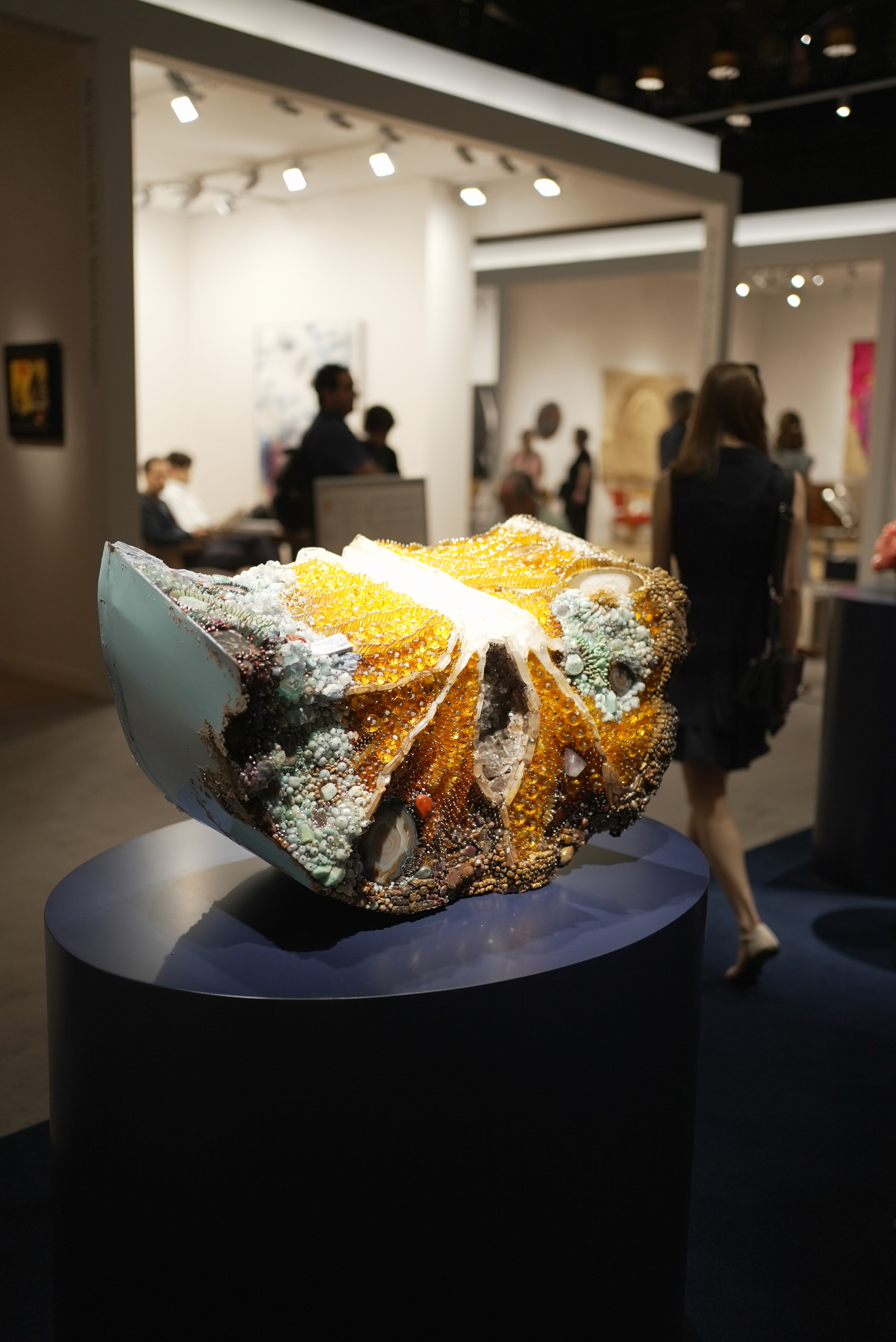
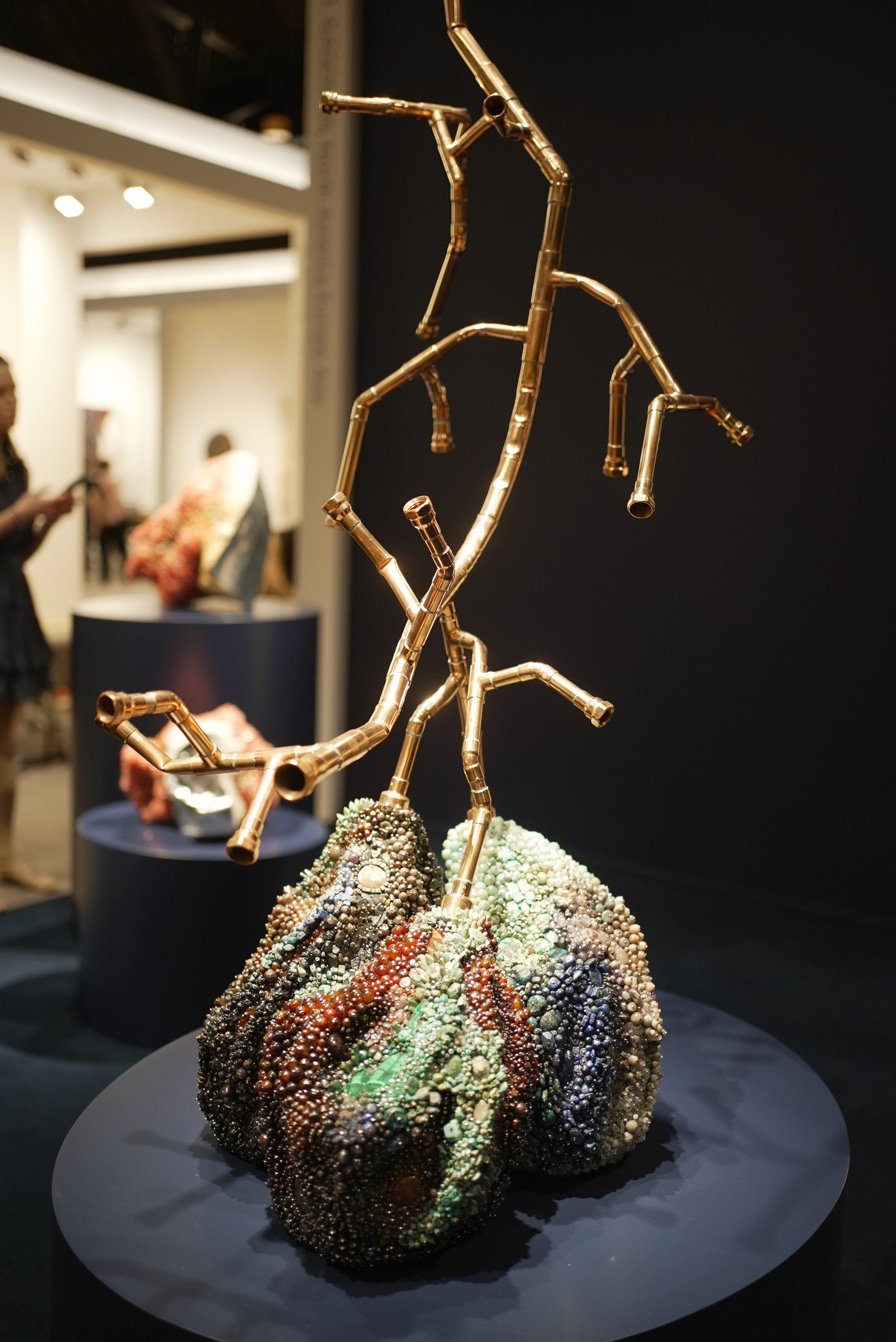
At Gagosian’s Booth 350, Kathleen Ryan transformed one of nature’s most familiar signs of disappearance—rotting fruit—into a spectacle of material abundance.
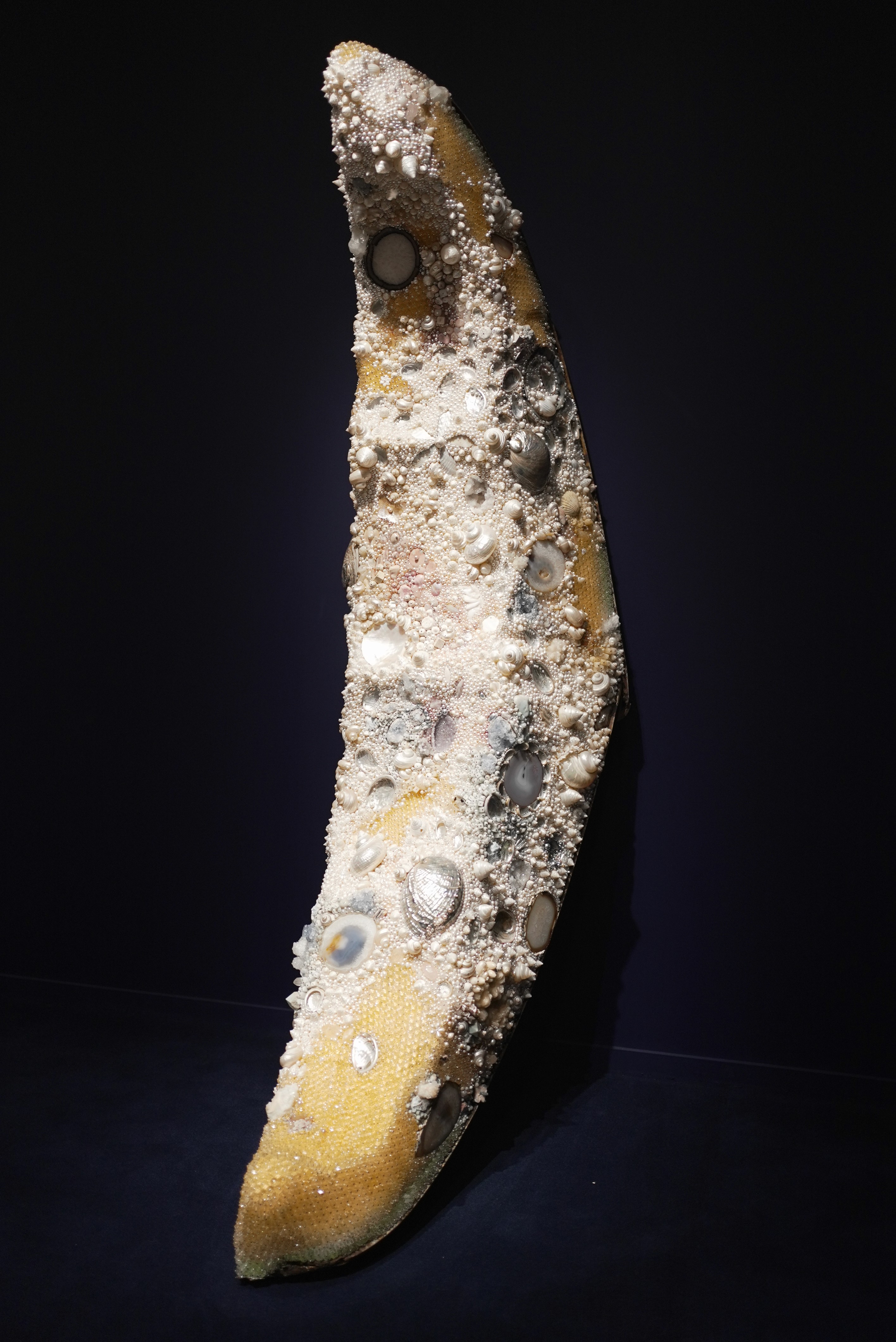
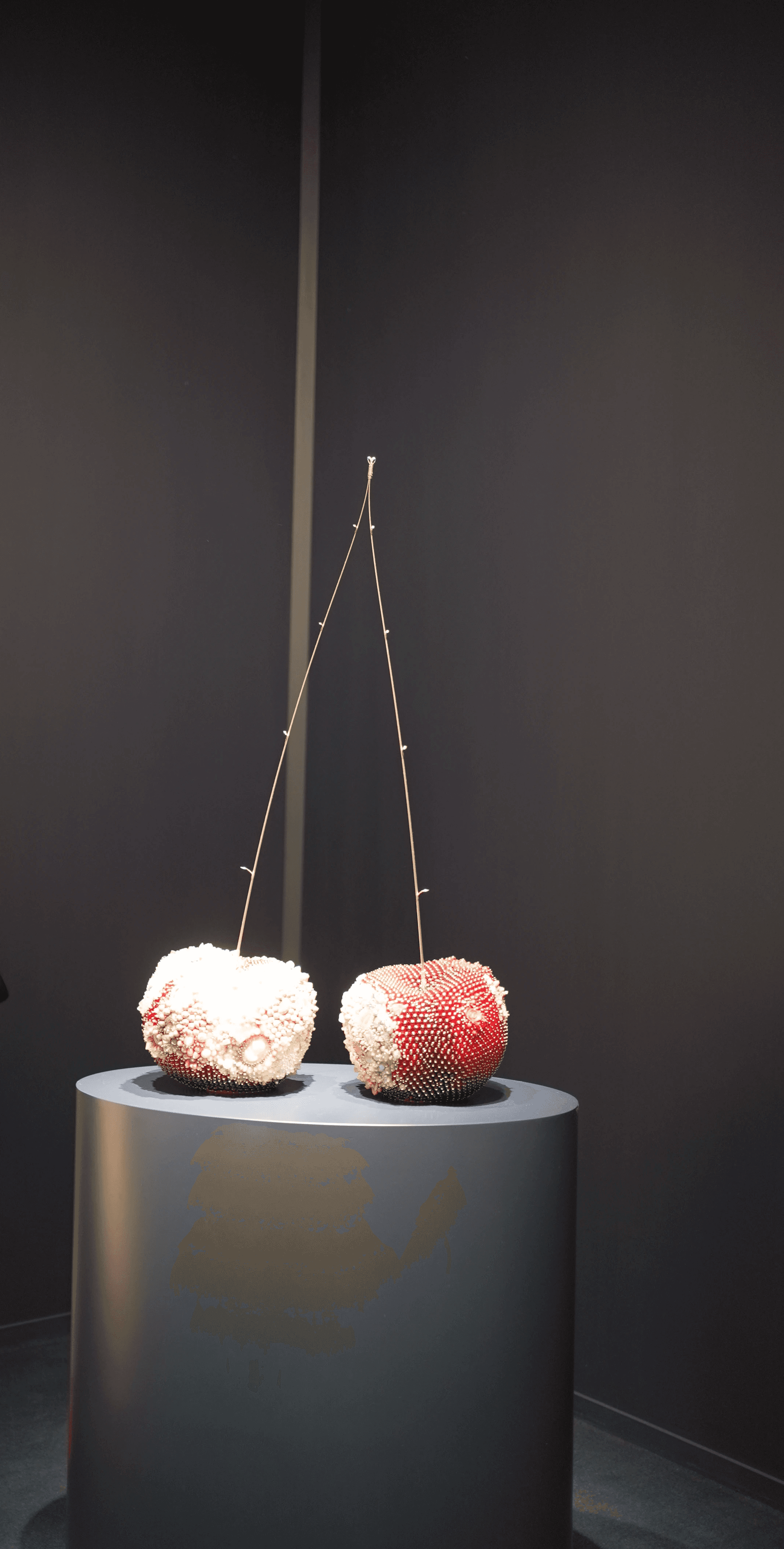
The presentation was devoted to new sculptures from Ryan’s ongoing Bad Fruit series, begun in 2018. To create the works, the New York–based artist first allows real fruit to decay, observing how mold spreads unevenly across its surface. She then reconstructs that process at a monumental scale, rendering patches of mold with thousands of pearls, opals, crystals, agates, and semiprecious stones, each secured individually with a steel pin. The outer skins of the fruit are formed from repurposed metal taken from salvaged vehicles, giving discarded industrial material an unexpected second life.
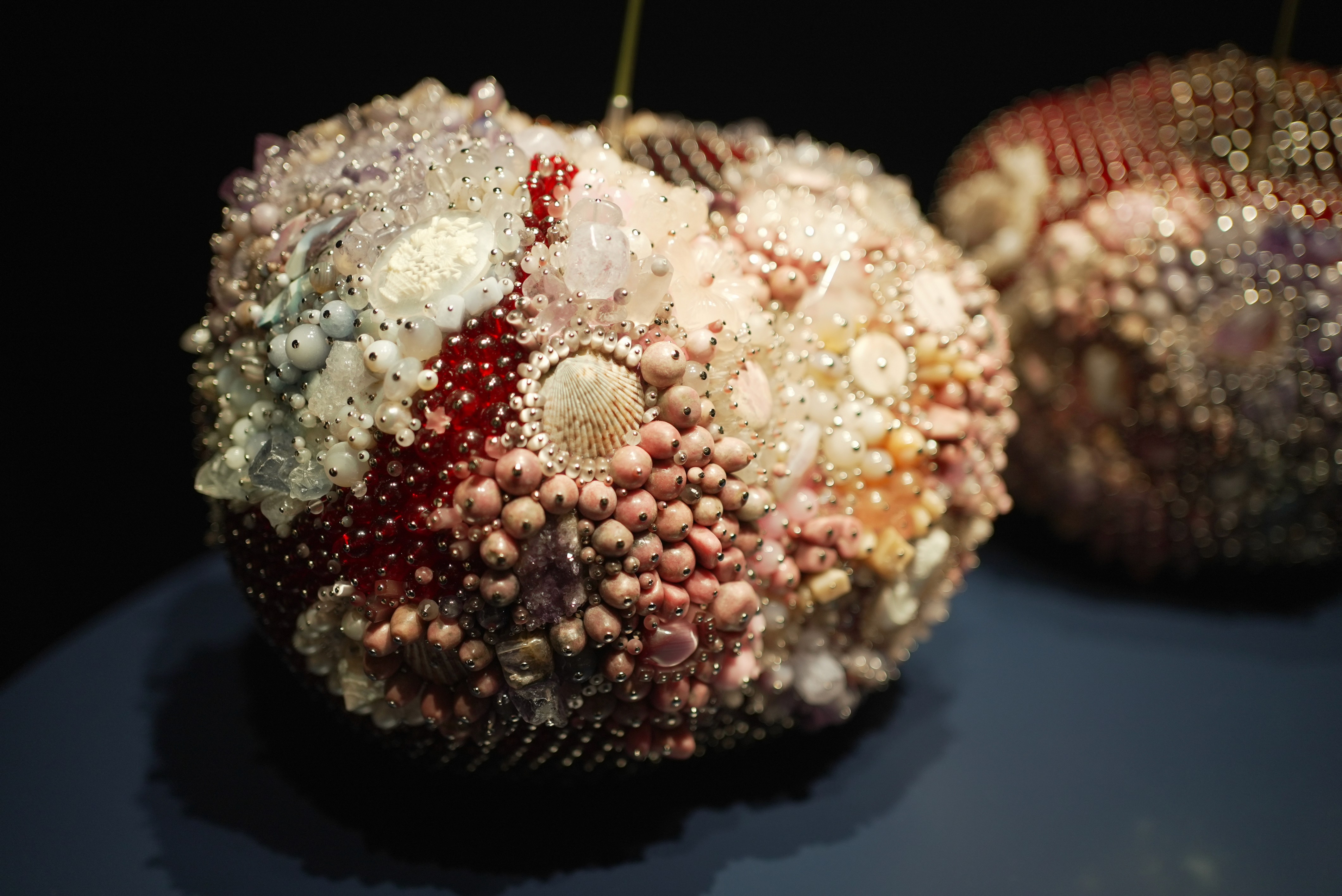
In Bad Cherries (Princess) and Bad Lime (Treasure), both created in 2026, decay does not appear as something hidden or corrected. It becomes the most intricate and seductive part of the sculpture. Pearls cluster like spores. Crystals spread across damaged surfaces. What would ordinarily signal the end of freshness becomes the source of the work’s radiance.
Yet Ryan’s sculptures are not simply celebrations of beauty. Their attraction is inseparable from discomfort. The precious materials do not prevent the fruit from rotting; they make its deterioration impossible to ignore.
Within the polished environment of TEFAF, the works introduced a quiet but urgent contradiction. Luxury and waste, desire and decline, permanence and decomposition occupied the same form. Materials associated with endurance were used to recreate one of life’s most temporary conditions.
Ryan’s work suggests that transformation does not always require erasing evidence of damage. Sometimes the future begins by looking closely at what has already started to disappear and discovering that even deterioration can hold color, complexity, and the possibility of another life.
Park Dae-Sung — The Future Written in Ink
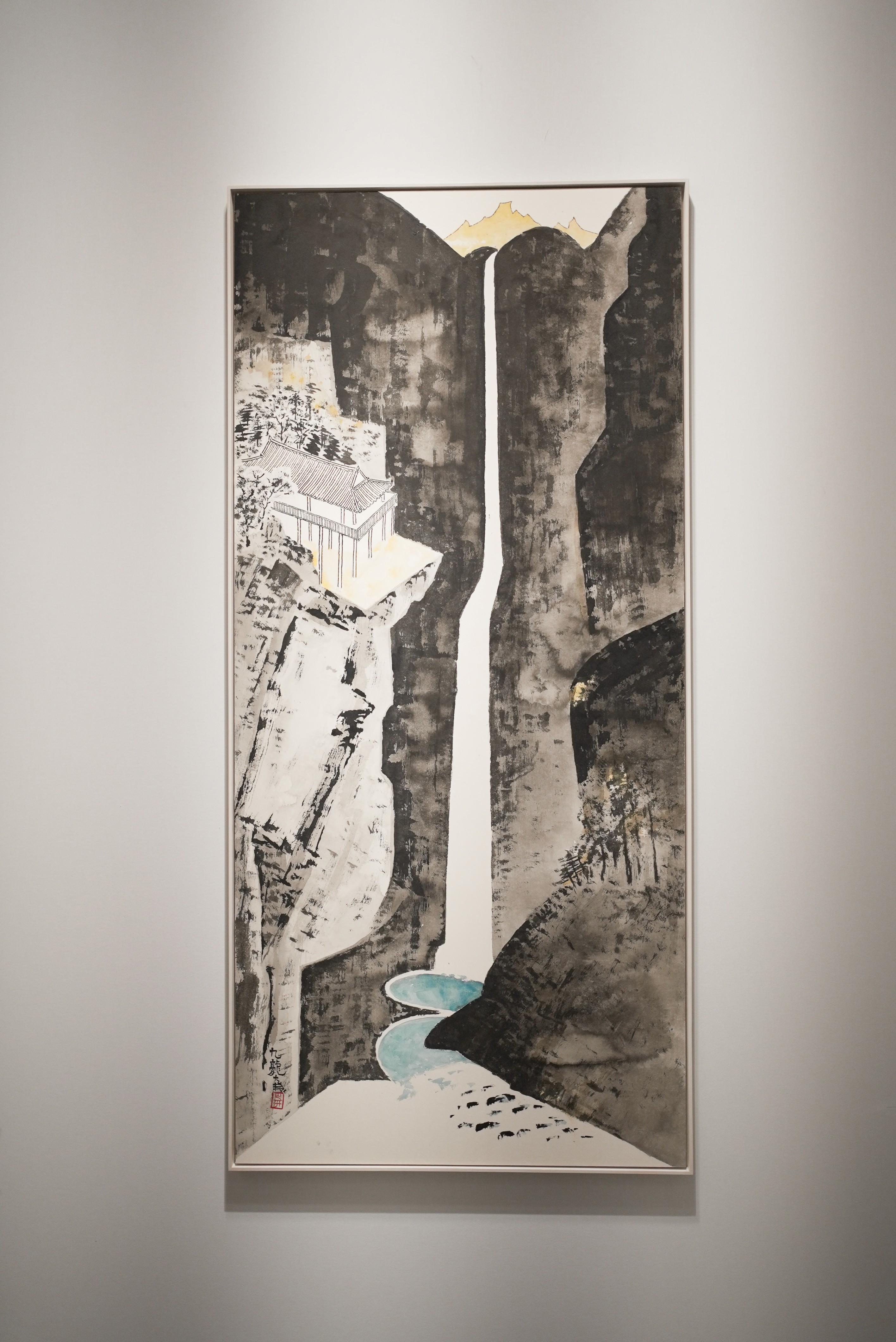
At Gana Art’s Booth 372, the work of Park Dae-Sung offered a different understanding of time.
Presented alongside works by Yoo Youngkuk and Choi Jong-Tae, Park’s monumental ink painting Guryong Waterfall (2026) was created for TEFAF New York and returned to one of the artist’s enduring subjects: the Nine Dragons Waterfall of Mount Geumgang, located in present-day North Korea.
Across the composition, vast cliffs emerge through dense, forceful layers of black ink. At their center, the waterfall descends as a narrow and nearly weightless passage of diluted tone. The mountain appears immovable, while the water seems close to dissolving into air.
Park works within the Korean sansuhwa tradition of mountain-and-water painting, but his landscapes are not nostalgic reconstructions of the past. Born in 1945 and known by his pen name Sosan, he developed his visual language largely outside formal art education, studying Korea’s mountains, rivers, calligraphy, and historic painting traditions directly. His practice combines powerful calligraphic lines with altered perspectives and expansive areas of negative space, carrying traditional ink painting into a distinctly contemporary visual field.
Ink on hanji permits little hesitation. Unlike oil paint, which can be covered and revised, ink enters the paper at the moment of contact. Every stroke therefore contains both decision and consequence.
In Park’s work, this irreversibility does not create rigidity. It creates life. Thick black passages carry the weight of stone, while untouched paper becomes mist, distance, breath, and silence. Absence is not treated as emptiness but as an active space in which the visible world can continue beyond the painted surface.
Park’s 2022–2023 exhibition tour brought his work to institutions including Harvard University, Dartmouth College, and the Los Angeles County Museum of Art, expanding international recognition of his approach to contemporary Korean ink painting.
At TEFAF New York, Guryong Waterfall stood not merely as an example of preserved tradition, but as evidence of tradition still moving forward. It showed that cultural inheritance remains alive only when an artist is willing to enter it deeply enough to discover a language of his own.
In a fair filled with rare and historically significant objects, Park’s painting offered something quieter: a reminder that the future does not always arrive through new materials. Sometimes it begins with an ancient medium, a single brush, and the courage to make one irreversible mark.
Elsewhere across the Armory, this dialogue between inherited forms and contemporary vision continued in markedly different ways.
At Axel Vervoordt, paintings by Ida Barbarigo occupied one of the Armory’s atmospheric period rooms. Her work carried traces of Renaissance memory, ancient visual language, and twentieth-century experimentation, demonstrating how an artist can belong to history without being contained by it.
Galerie Patrick Seguin expanded the idea of collectible design beyond the scale of furniture by presenting models of Jean Prouvé’s demountable architectural structures. The presentation asked visitors to consider whether a house might be collected as an idea, a system, and a social proposal not merely as real estate.
Such juxtapositions are not decorative exercises. They reflect a changing way of understanding culture.
A contemporary vessel may live beside an Old Master painting. A modernist cabinet may speak naturally to an object from antiquity. Younger generations of collectors increasingly move between periods and disciplines, guided less by inherited classifications than by material intelligence, personal resonance, and the relationships created between objects.
At TEFAF, history is not flattened by this approach. It becomes more connected.
Beyond the Marketplace
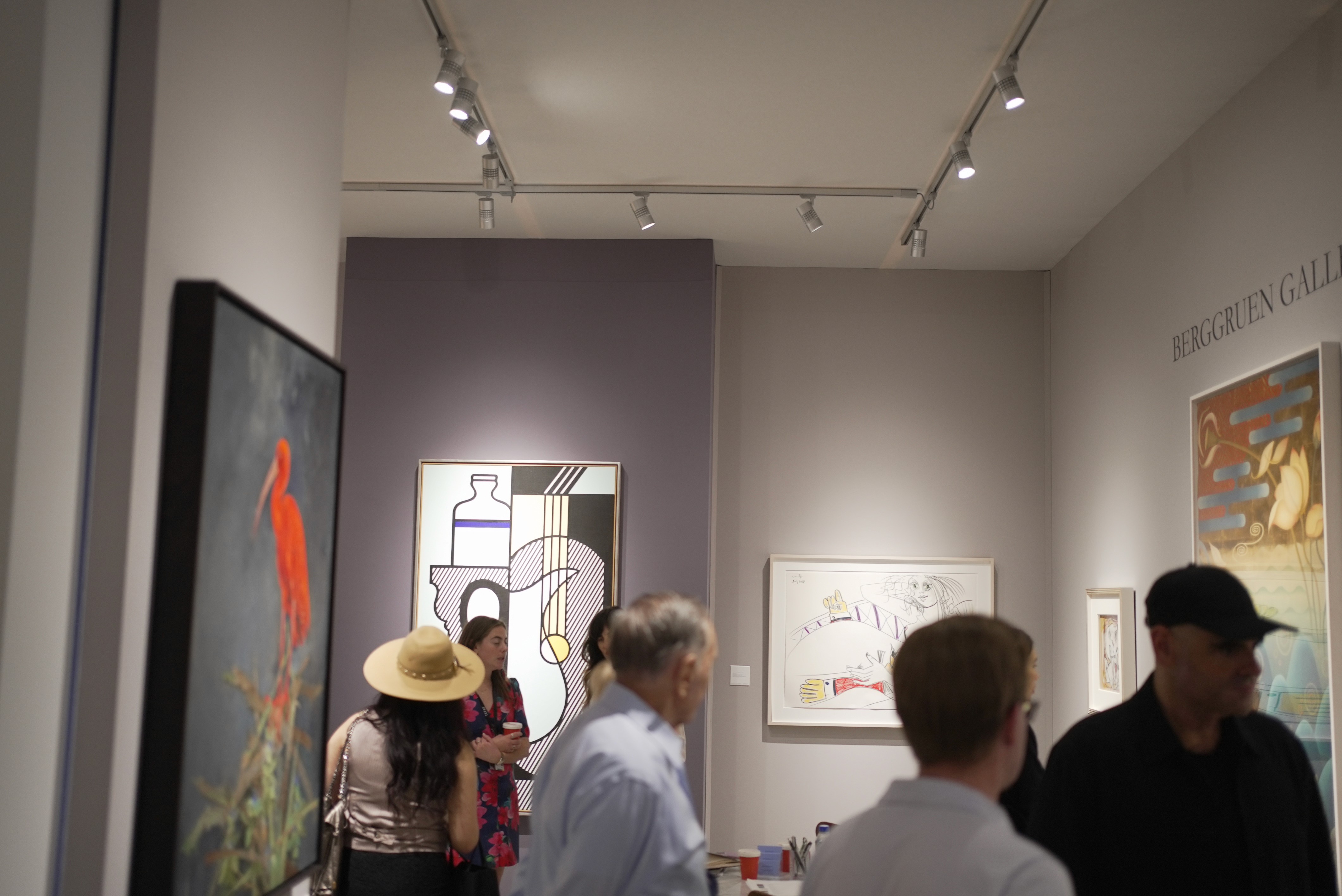
An art fair cannot be separated from commerce. Galleries invest considerable knowledge and resources in bringing important works to the public, while sales allow artists, estates, dealers, conservators, researchers, and institutions to continue their work.
But a meaningful fair must offer something that cannot be measured only by the number of works sold.
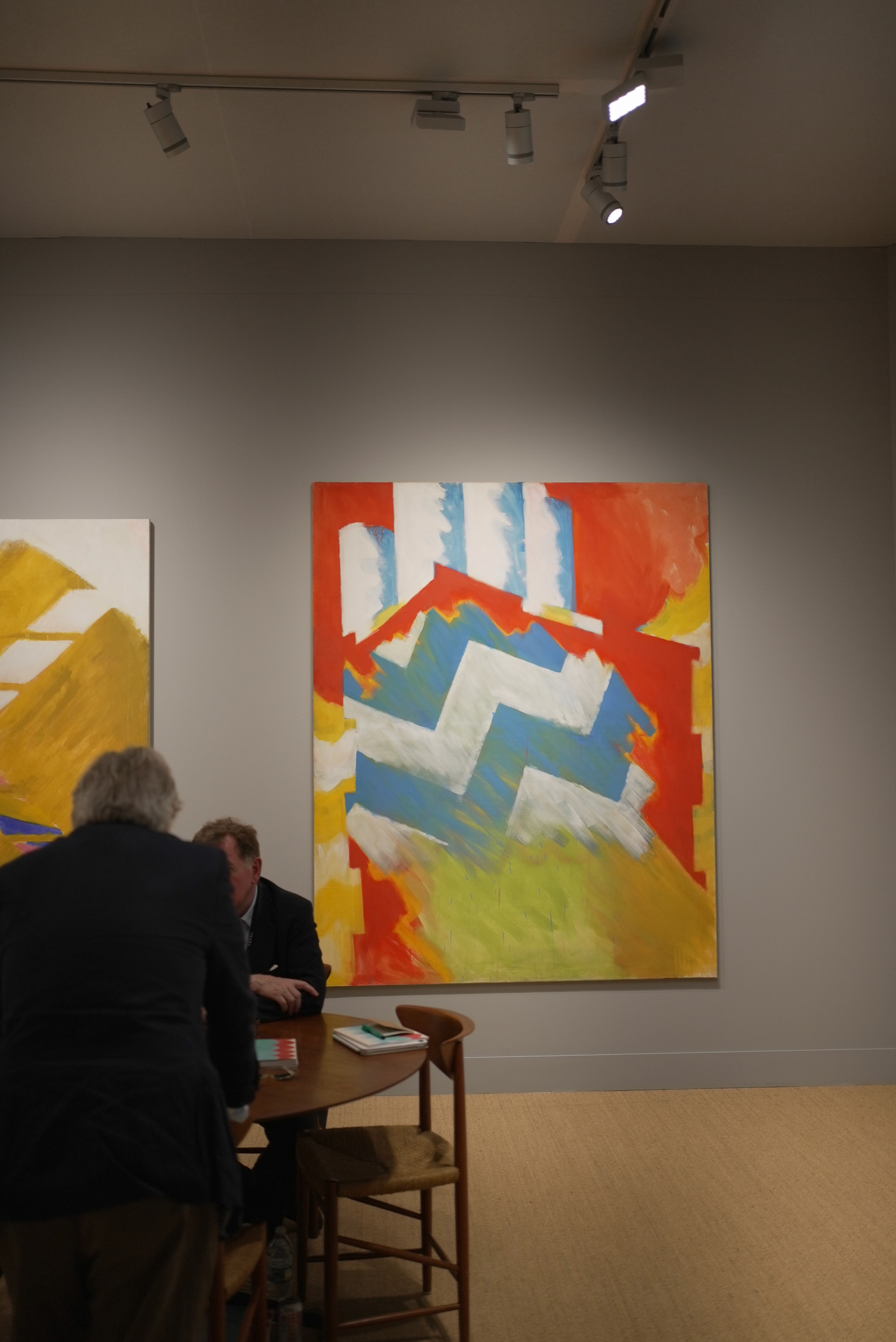
During TEFAF New York 2026, representatives from more than 260 museums and cultural institutions attended, alongside over 60 international patron and trustee groups. Institutions represented included The Metropolitan Museum of Art, the Museum of Modern Art, the Guggenheim Museum, the Whitney Museum of American Art, the National Gallery of Art, LACMA, SFMOMA, and Cooper Hewitt, Smithsonian Design Museum.
Their presence reveals the larger ecosystem surrounding every artwork.

A fair can become a place where museum leaders encounter works that may eventually enter public collections; where curators deepen research; where collectors consider the public life of private holdings; and where conversations begin long before an exhibition, donation, or restoration becomes visible.
The 2026 TEFAF Talks extended these questions through discussions on art and philanthropy, curating overlooked histories, changing models of patronage, board leadership, social impact, and the transformation of private collections into public missions.
Together, these programs asked a question more enduring than what art is worth:
What can art be responsible for?
The Future Is a Form of Care
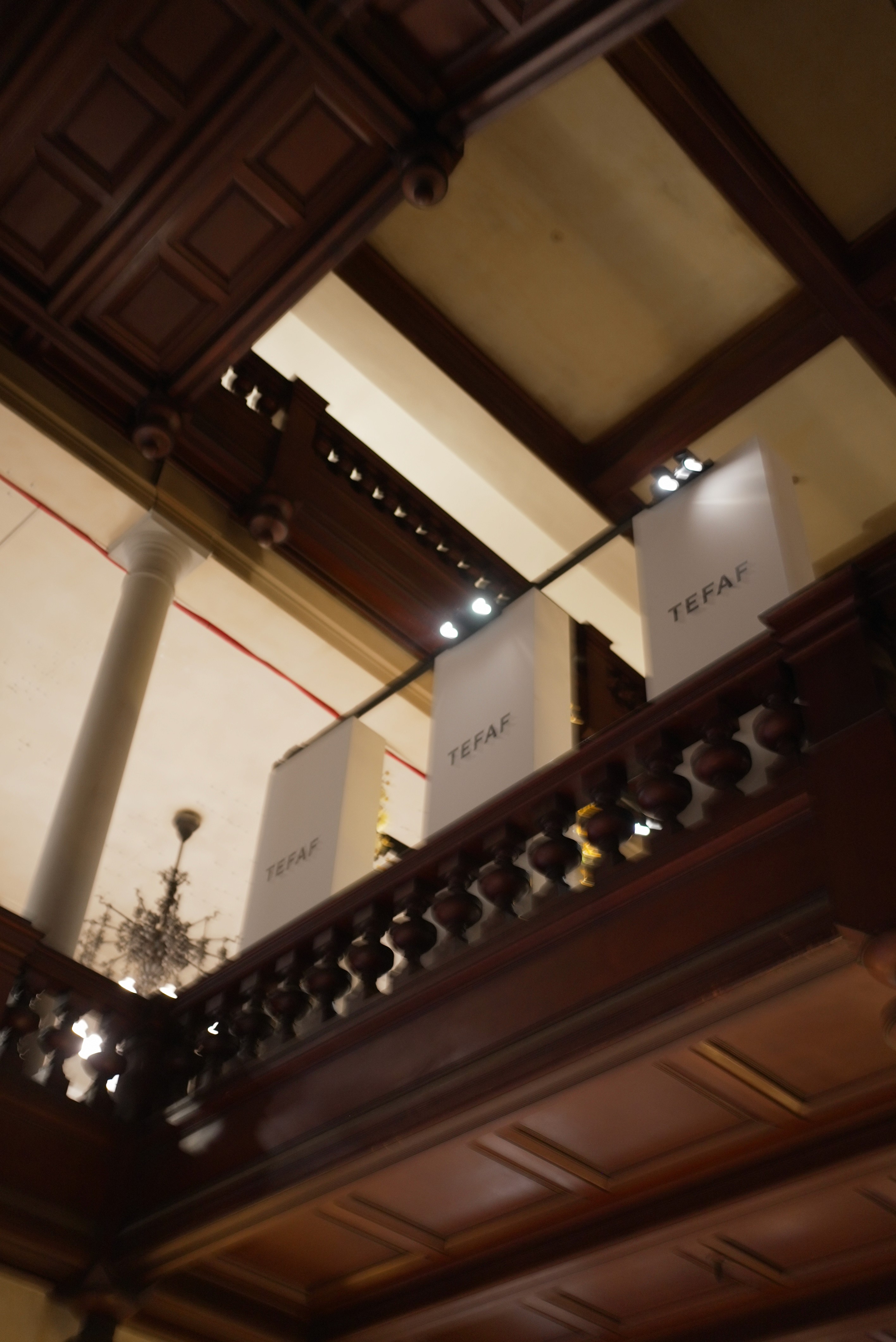
The future of art will not be determined only by which objects achieve the highest prices or attract the greatest attention.
It will be shaped by the standards we maintain around them.
By the histories we research rather than simplify. By the artists we reconsider. By the objects we conserve. By the institutions we strengthen. By the knowledge shared between generations. And by the willingness to understand cultural ownership as something more complex than possession.
This is why fairs such as TEFAF continue to matter.
They bring works out of storage and private rooms and place them within a temporary, international community of attention. They allow people to stand before evidence of another consciousness a mark made by someone who lived in a different place, under different conditions, and perhaps imagined a future they would never see.
An artwork cannot tell us what the future should become.
But it can remind us that other lives existed before ours, that human imagination has survived periods of uncertainty, and that something made with patience can continue to speak long after its maker is gone.

At the Park Avenue Armory, the most important question was therefore not simply what could be acquired.
It was what deserved to be carried forward.
And perhaps that is the deepest purpose of a fair: to gather beauty, scholarship, memory, and human desire in one place, then ask each visitor to leave with a more careful understanding of what it means to preserve the world.
