A Table for One, A Dialogue with the World
Sanghee Gil
A Table for One, A Dialogue with the World

During Milan Design Week 2026, a modest object from Korean domestic life entered one of Europe’s most influential design institutions.
At the ADI Design Museum in Milan, 《SEOUL LIFE 2026 MILAN—Heritage Reimagined, Soban》 placed the soban, Korea’s traditional portable dining table, at the center of an international conversation. Presented by Seoul Metropolitan Government and Seoul Design Foundation in cooperation with ADI Design Museum, the exhibition brought together 17 designers and design teams from Korea, Italy, and France. It ran from April 20 through May 10, 2026, with its official opening held on April 20 during Milan Design Week.
Rather than treating heritage as an image to be preserved behind glass, the exhibition approached it as a living design language—one capable of changing material, scale, technology, and social meaning while retaining its cultural memory.
A Table Shaped by a Way of Living
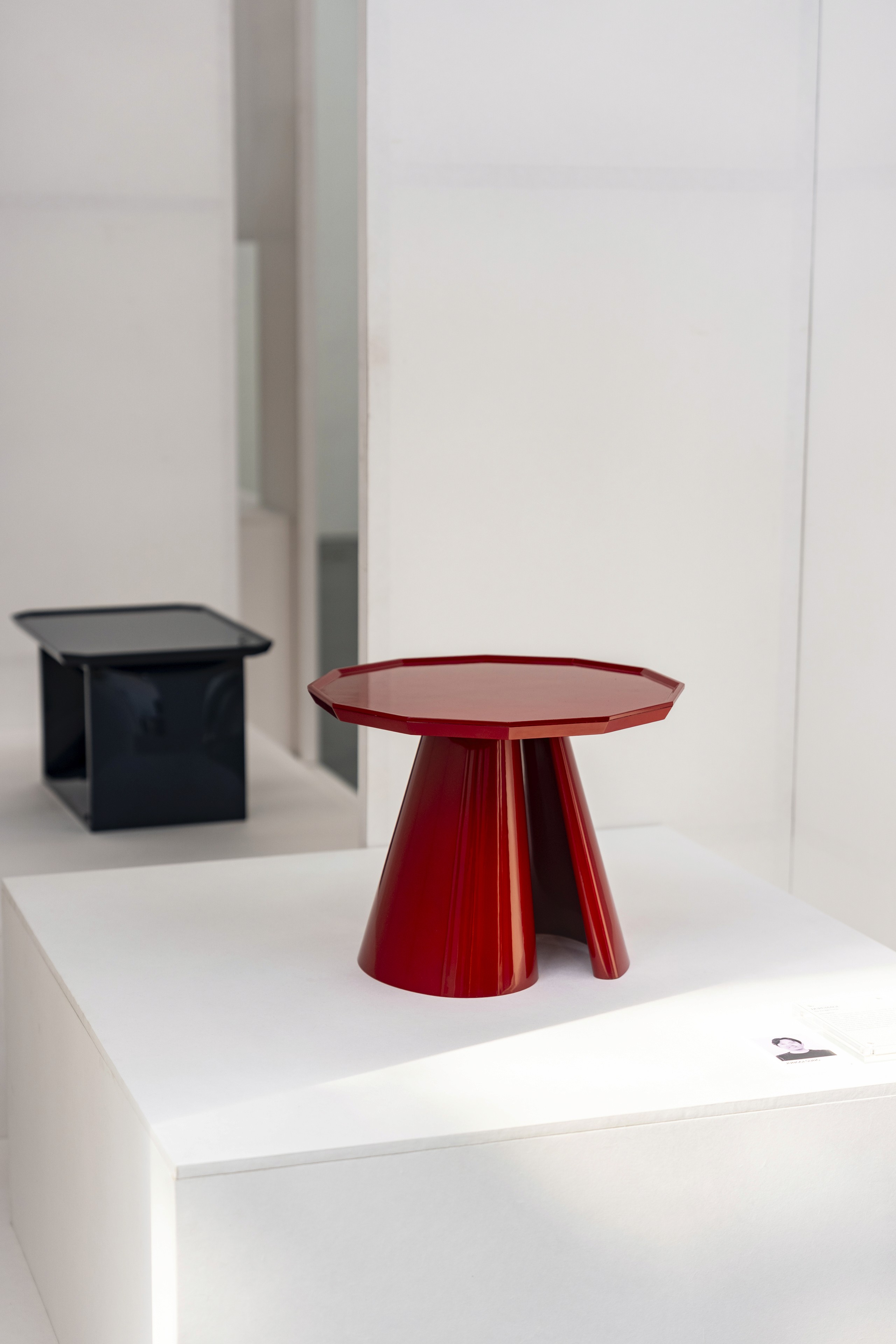
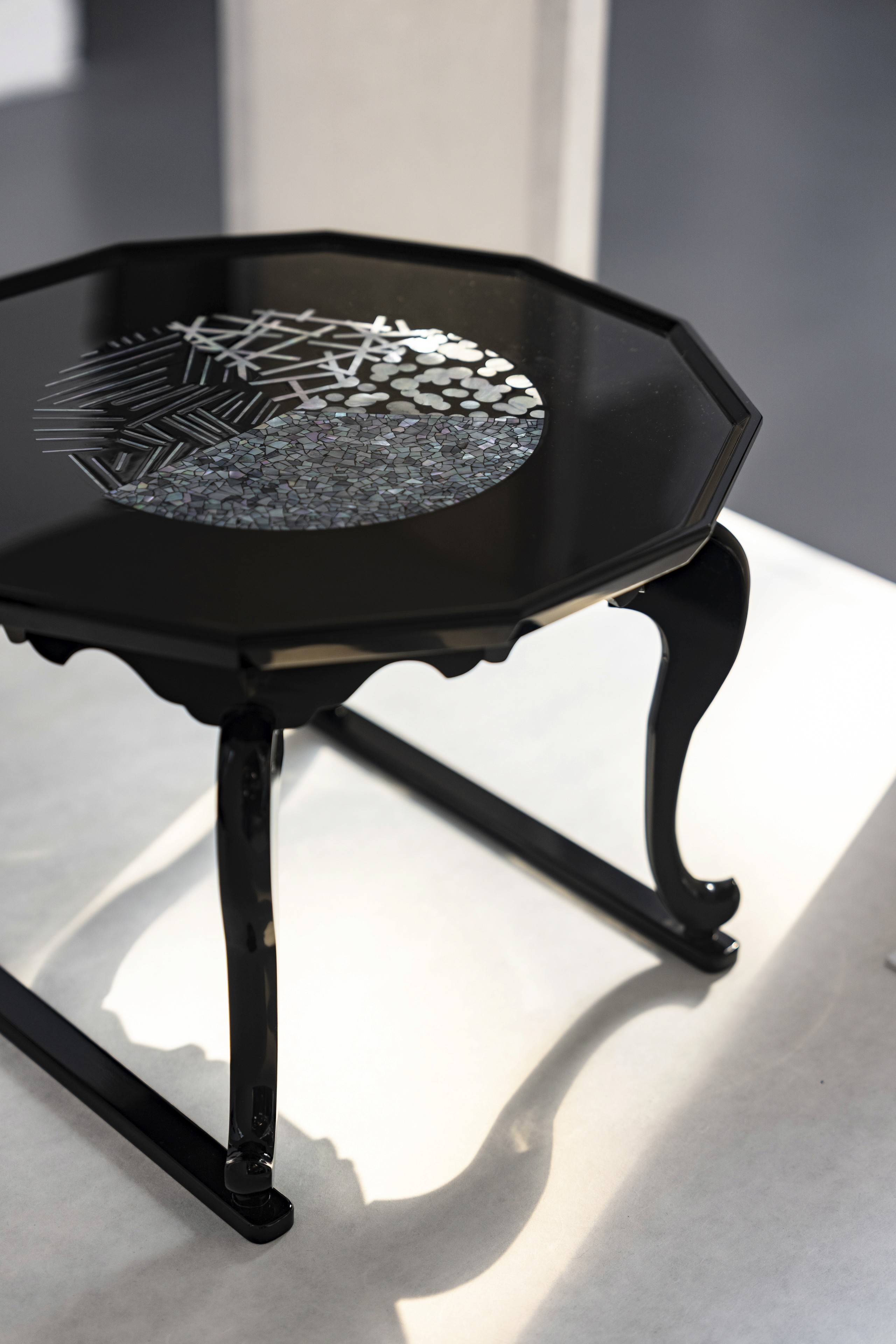
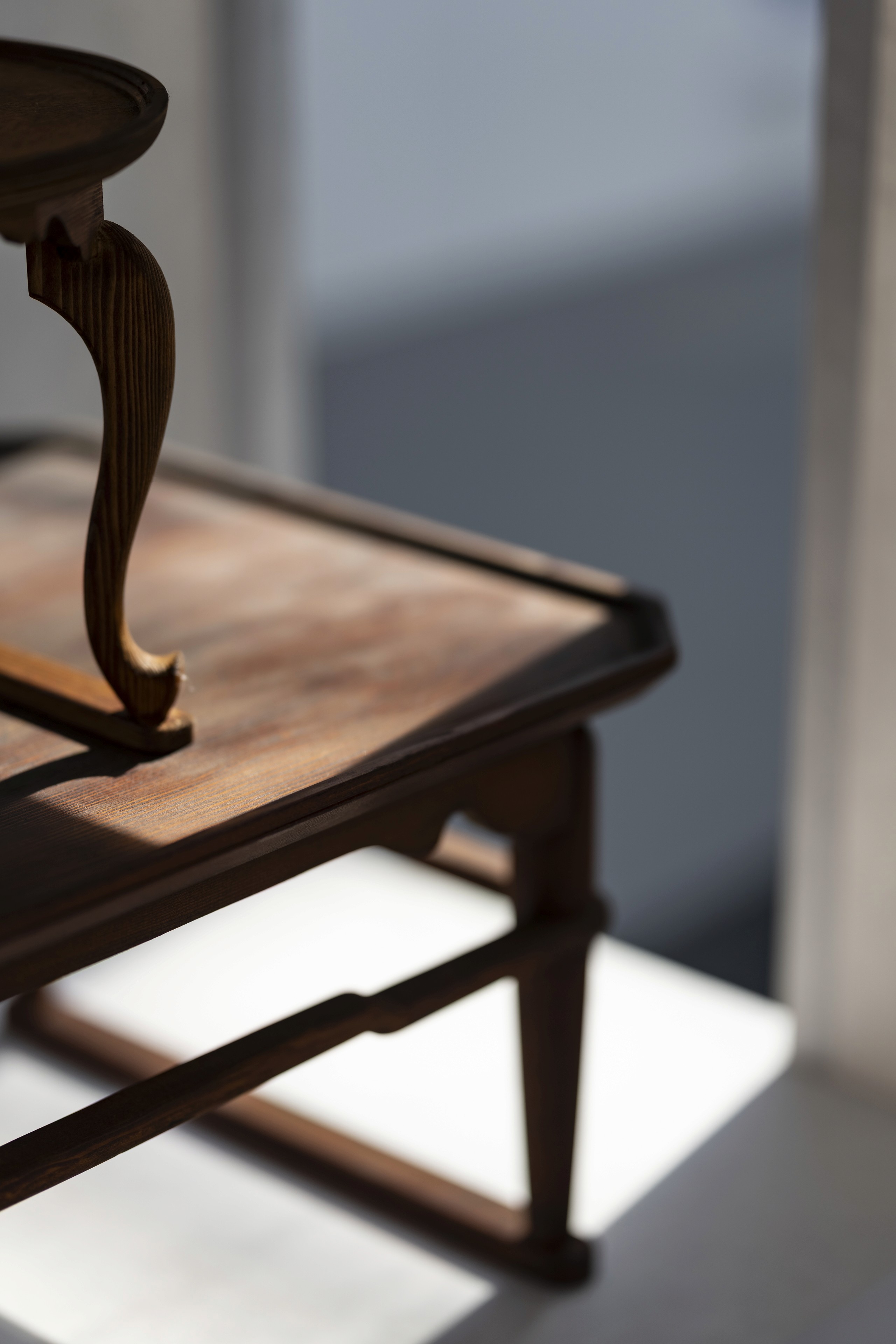
The soban is a small, low table traditionally used to serve meals in Korean homes. Its dimensions developed in relation to Korea’s floor-seating culture, while its light and portable structure allowed a table to be carried easily from room to room.
It is also closely connected to doksang, the custom of providing an individual dining table for one person. This history gives the soban an unusual dual identity: it is both personal and communal, functional and ceremonial. A meal could be prepared for an individual, yet the table remained part of a larger domestic and social order.
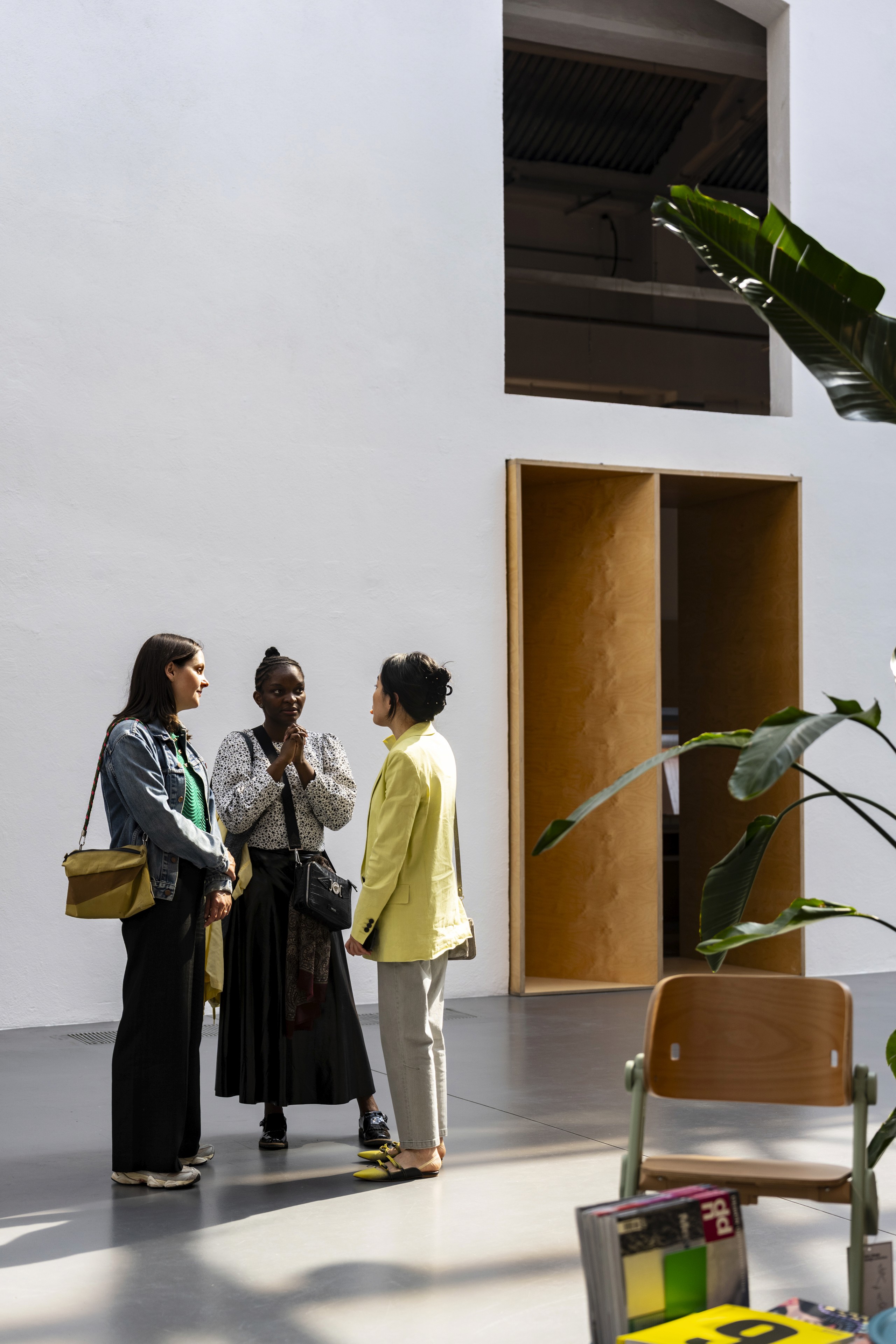
Regional variations developed through different woods, leg structures, joinery techniques, lacquer finishes, and mother-of-pearl inlay. Beneath its apparent simplicity lies a complex record of Korean craftsmanship, proportion, mobility, and everyday ritual.
In Milan, these qualities became a foundation for experimentation rather than a fixed template. The participating designers were asked not simply to reproduce the traditional form, but to consider what the soban might become when interpreted through contemporary materials, digital fabrication, artificial intelligence, and new modes of living.
Seventeen Interpretations of a Shared Object
The exhibition assembled 13 Korean designers and teams alongside four internationally recognized European participants: Anna Gili, Marco Oggian, Odile Decq, and Stefano Giovannoni. The Korean participants included Yiyun Kang, Jinsik Kim, LEJE, Seungji Mun, Jungwon Park, be formative, Junggi Sung, Donghoon Sohn, Seongim Yang, Andy & Jong, Ehwa Yoo, Sukwoo Lee, and Sulki and Min.

The resulting works did not follow one aesthetic direction. Some remained close to the recognizable proportions of traditional furniture, while others transformed the soban into a sculptural, digital, or conceptual object.
In Taking My Snail for a Walk, Jinsik Kim drew from the lines and tonal variations of East Asian ink painting. Its organically intertwined legs, produced through 3D printing, appear to grow beneath the tabletop like vines or slowly moving creatures. The piece translates the tactile sensibility of traditional imagery into a form that could only be realized through contemporary fabrication.
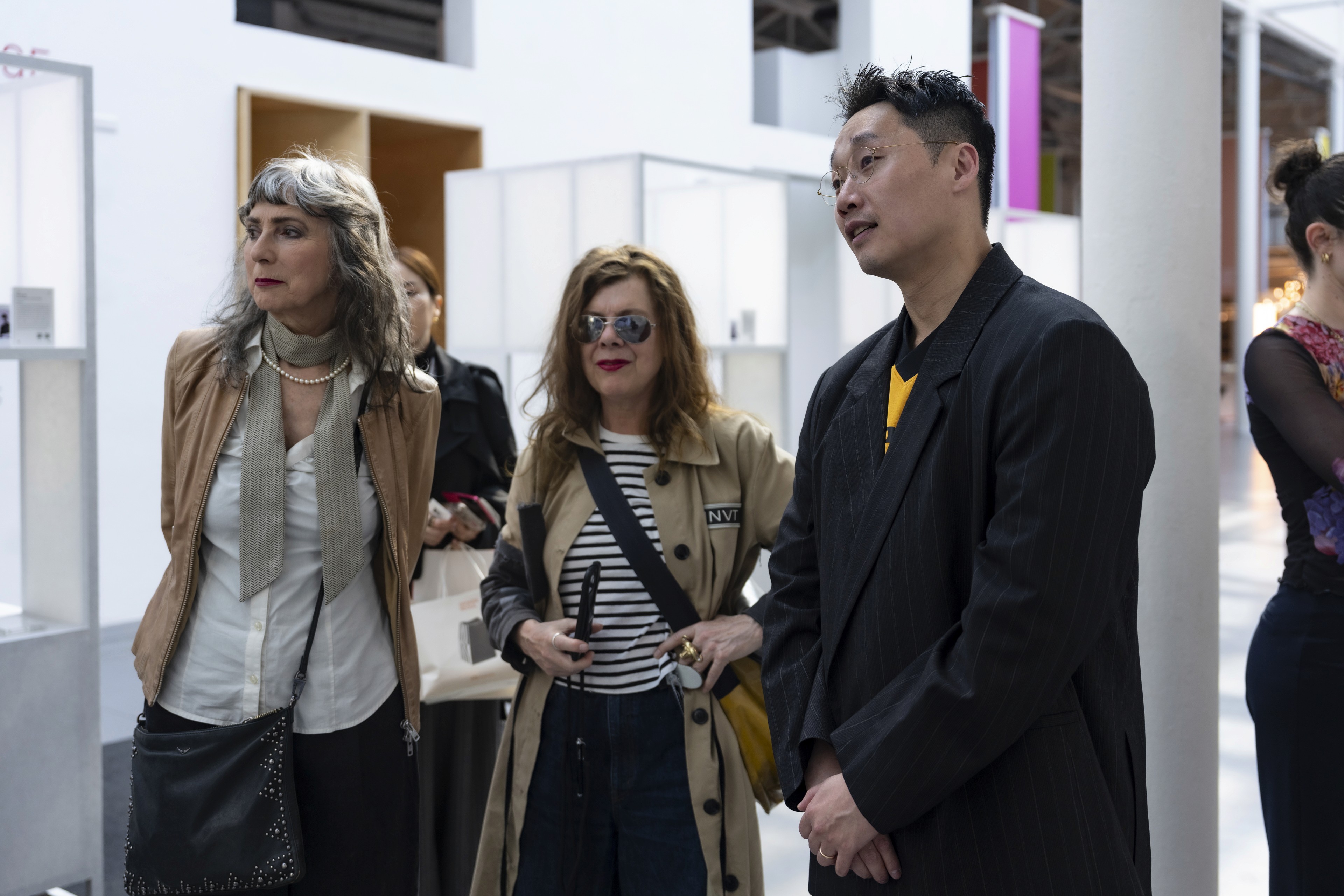
Donghoon Sohn’s Swell Series Soban responded to the energetic urban landscape of Seoul and the flowing architecture of Dongdaemun Design Plaza. Its expanded volumes and glossy lacquered surface create a visual rhythm that changes with the movement of light.
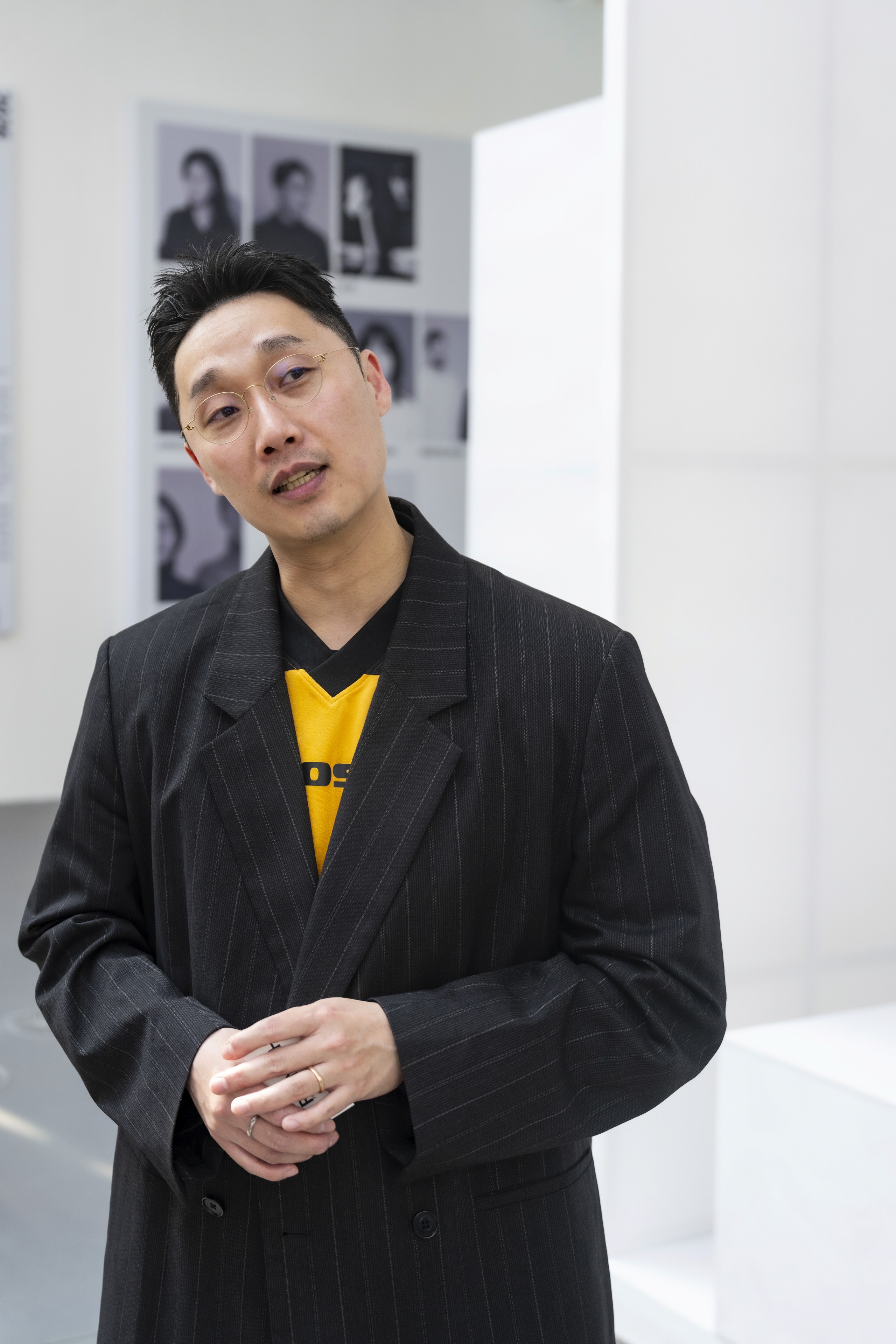
Andy & Jong’s Floating Heritage combined a deep blue lacquered tabletop with transparent legs. The visual weight of the traditional table appears suspended, allowing heritage to feel lighter, more open, and less bound to a single historical period.
Meanwhile, Sulki and Min returned directly to the soban’s social history. Their work, Table per Person per Household, examined the relationship between the individual table, the household, and the changing structures of contemporary life.
From Intimate Object to Private Universe
Several international designers encountered the soban without having grown up within its cultural tradition. Their interpretations reveal how a deeply local object can create new meanings when placed in a global context.
Italian designer Marco Oggian described the soban as an intimate and distinctly human object. His boldly graphic PRIVATE UNIVERSE connected the image of a face with ideas of identity, scale, and the shared world. Rather than imitating Korean tradition, Oggian used his own geometric visual language to explore how one small domestic object could become a metaphor for individuality and universality.
Anna Gili’s MIAWO introduced legs resembling those of a companion animal, transforming the table into an approachable presence within the home. The work brought together symbolic references to Korean culture, a pop-inflected visual sensibility, and the everyday ritual of drinking tea.
Stefano Giovannoni’s Orion used the structure of a flower to reflect on the relationship between the individual and the collective. Odile Decq’s Fluid Maze, in contrast, moved between two-dimensional pattern and three-dimensional form, presenting the table as a field of movement, discovery, and uncertainty rather than an object organized around a single center.
These works demonstrated that cultural exchange need not erase difference. Each designer retained a distinct vocabulary while responding to the essential qualities of the soban: balance, intimacy, portability, and the relationship between one person and a larger social space.
Tradition as a Material for the Future
One of the exhibition’s most important propositions was that technology does not necessarily weaken cultural identity.
Traditional woodworking, lacquer, and mother-of-pearl techniques appeared alongside 3D printing, artificial intelligence-based design, digital modeling, recycled materials, and experimental production. The purpose was not to replace craftsmanship with technology, but to show how the two could extend one another.
Digital processes allowed designers to imagine structures that would be difficult to create through conventional production alone. At the same time, the final works remained dependent on material knowledge, finishing, assembly, and the decisions of skilled makers.
The exhibition therefore located innovation not in technology by itself, but in the relationship between computational possibility and human judgment. Tradition became neither decoration nor nostalgia. It functioned as a source of design intelligence—tested, questioned, and expanded through contemporary practice.
An Exhibition Built Like a Korean Interior
The spatial design reinforced this dialogue between individual experience and shared culture.
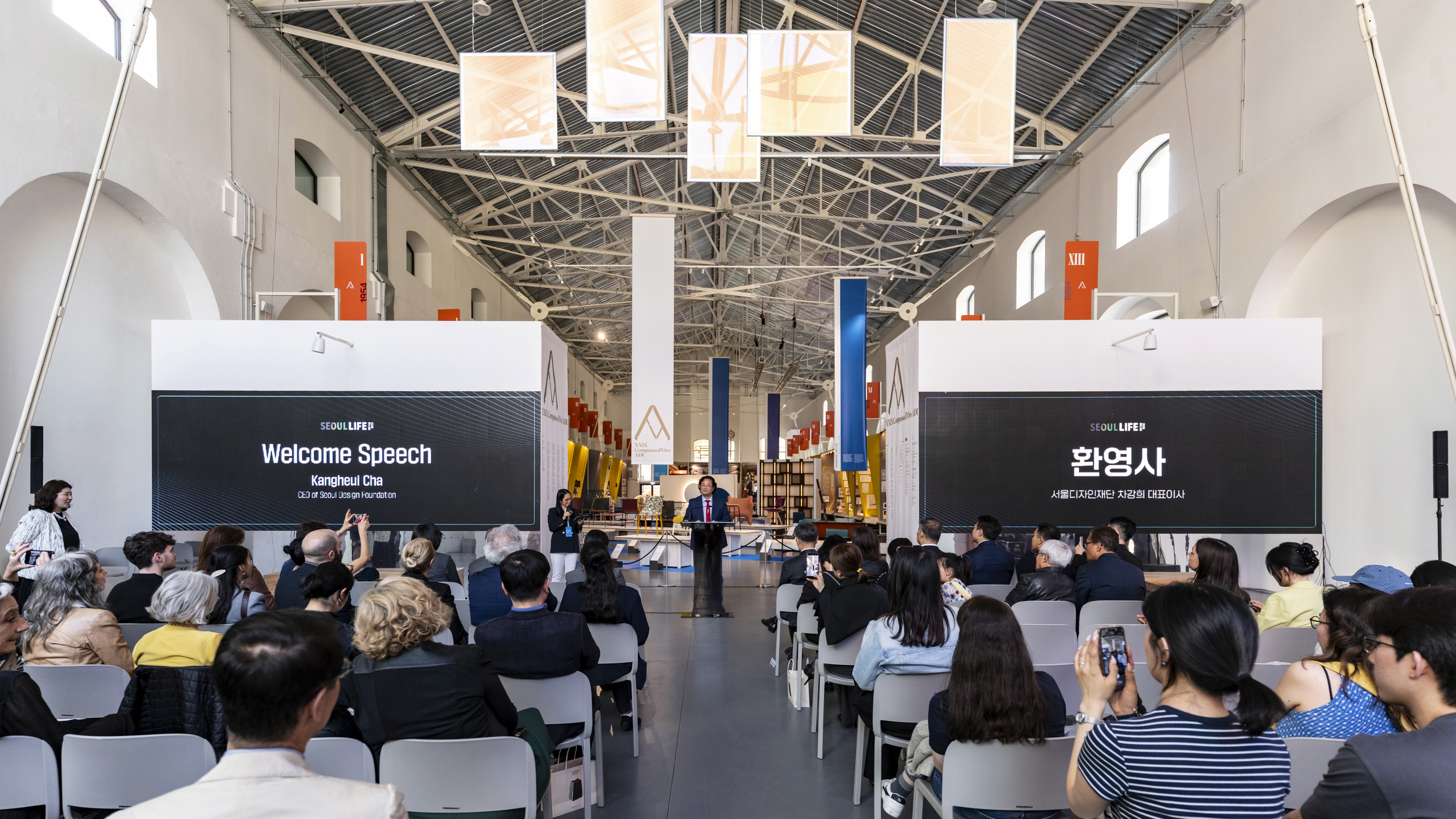
Inspired by the daecheongmaru, the open wooden hall found in traditional Korean architecture, the exhibition placed a long platform through the center of the gallery. Visitors moved along it as though walking through a domestic interior rather than observing a conventional row of display cases.
Translucent partitions covered with hanji divided the space into smaller areas, with individual works positioned separately. This arrangement referenced the tradition of one person using one soban, allowing each table to be encountered as an independent presence.
Open-frame structures inspired by traditional sabang takja shelving also made it possible to examine the proportions, legs, and construction of the works from multiple viewpoints. The restrained architectural setting did not compete with the objects. Instead, it created a rhythm of distance, pause, and focused observation.
Design as Cultural Diplomacy
The exhibition was also an institutional and diplomatic event.
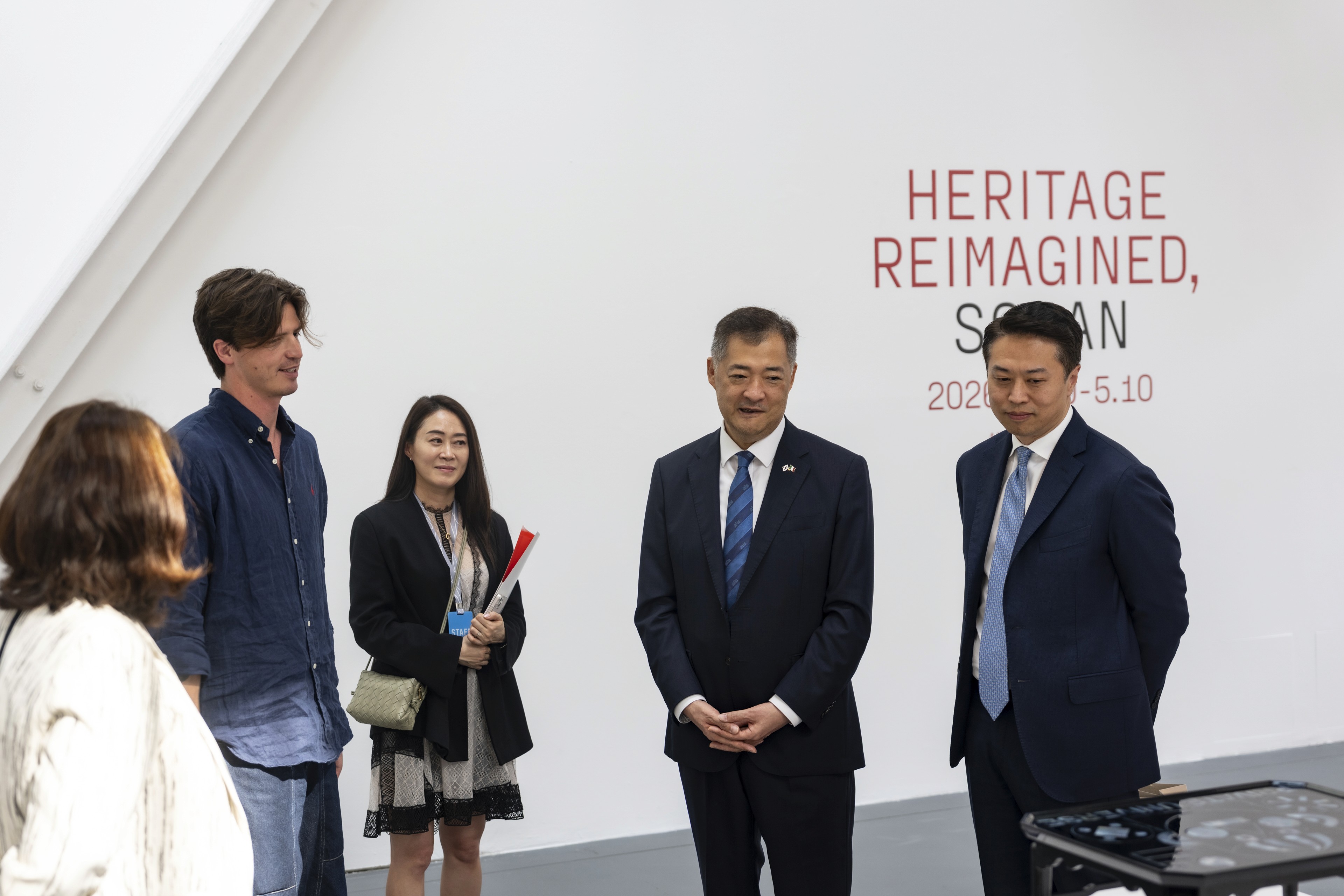
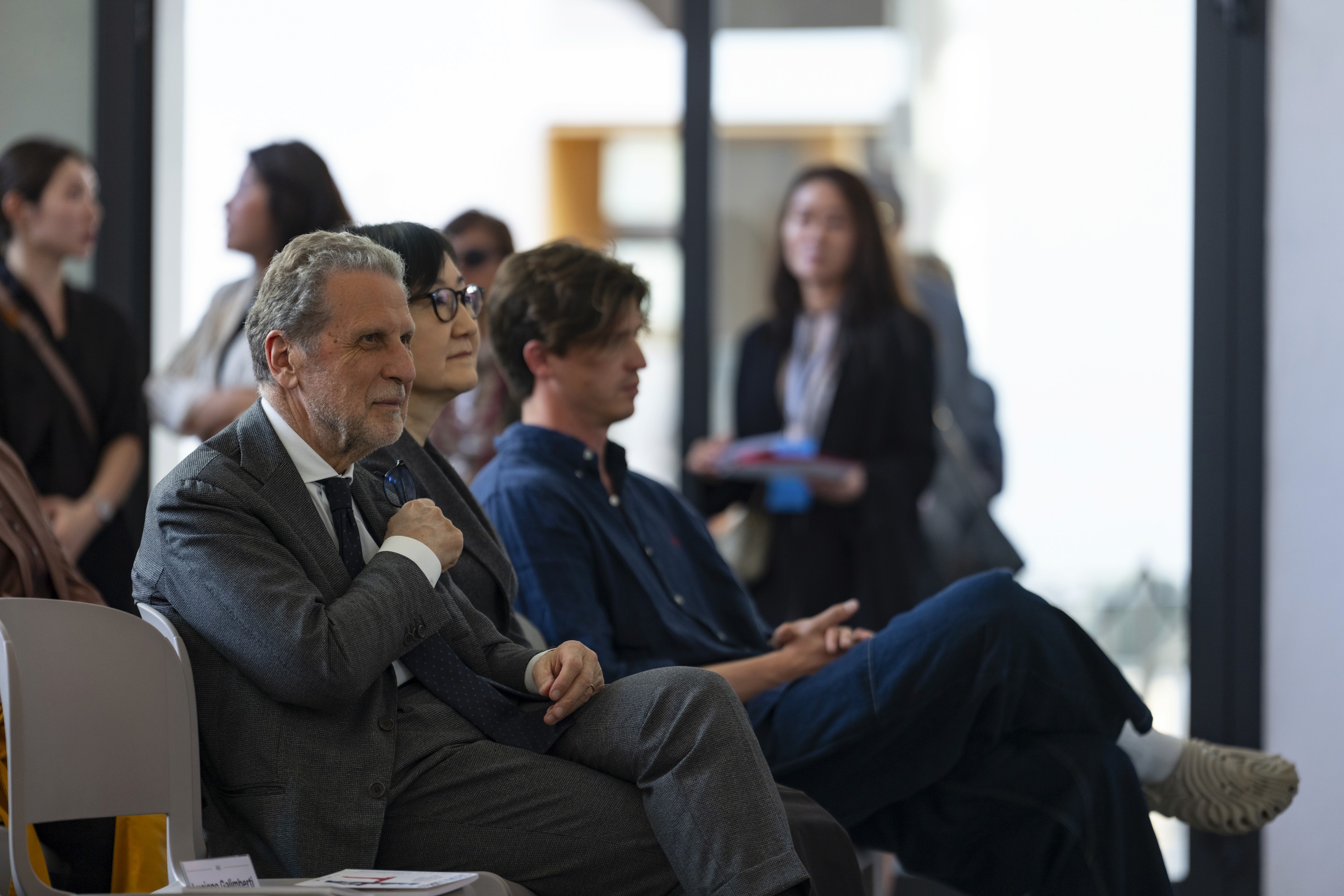
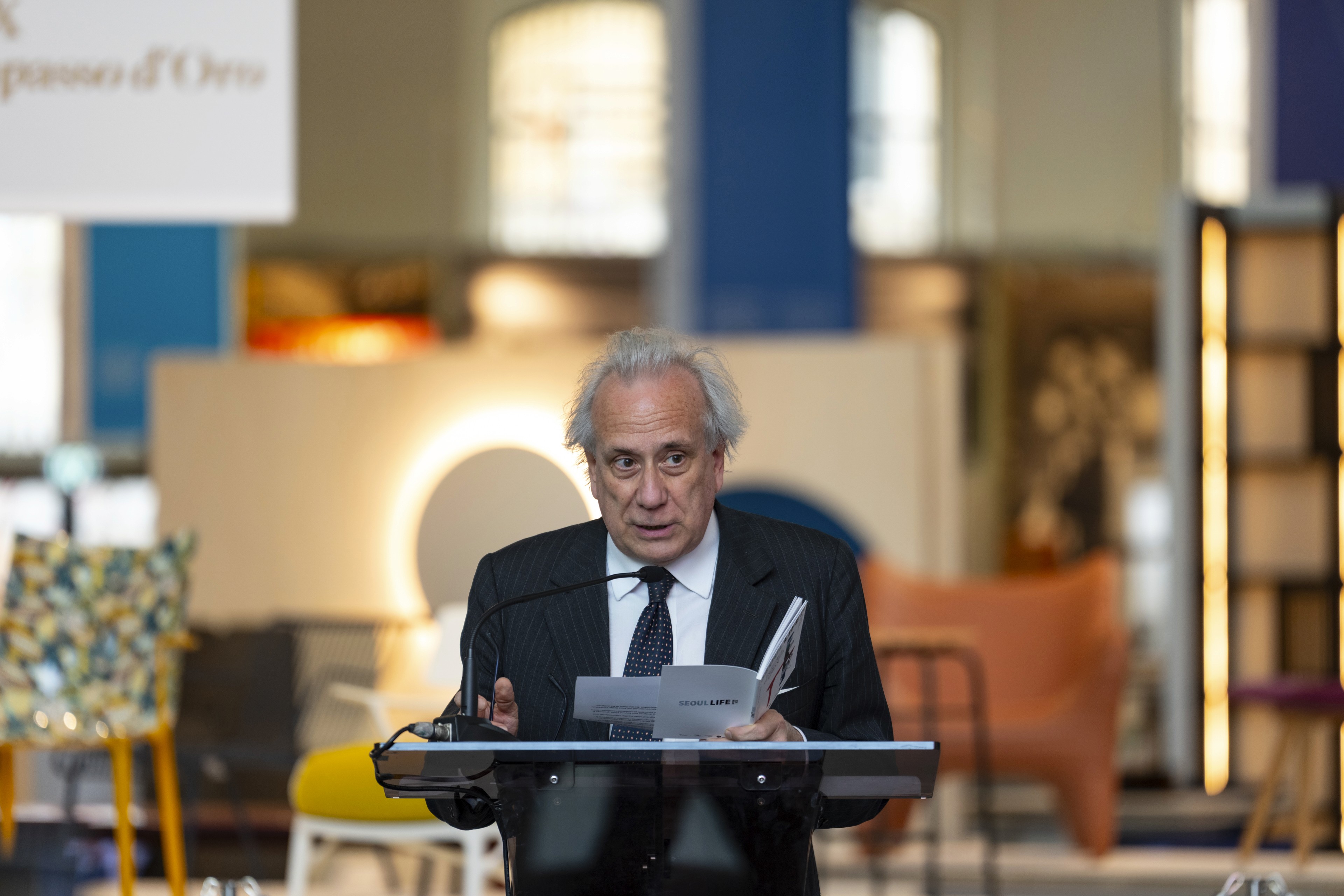
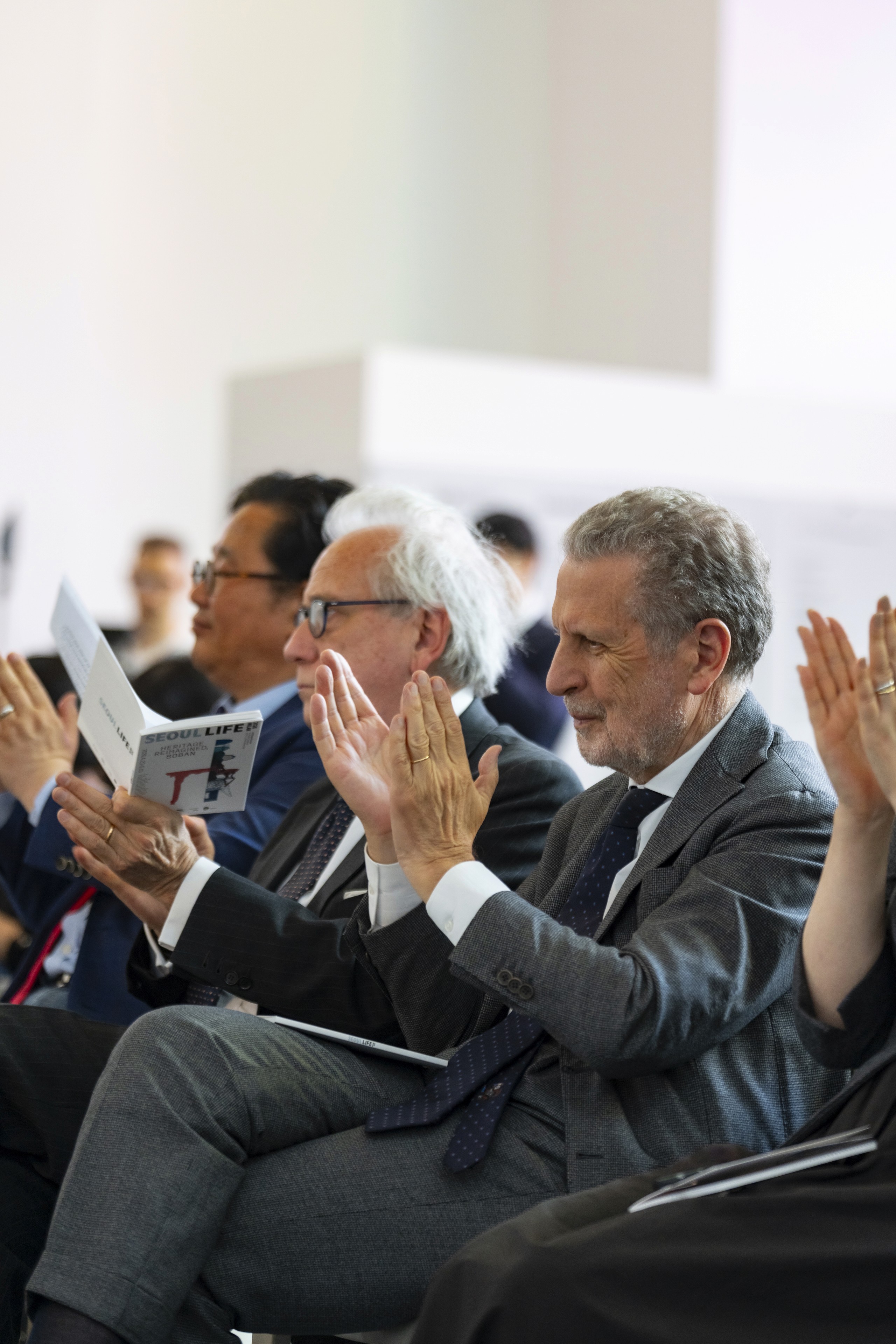
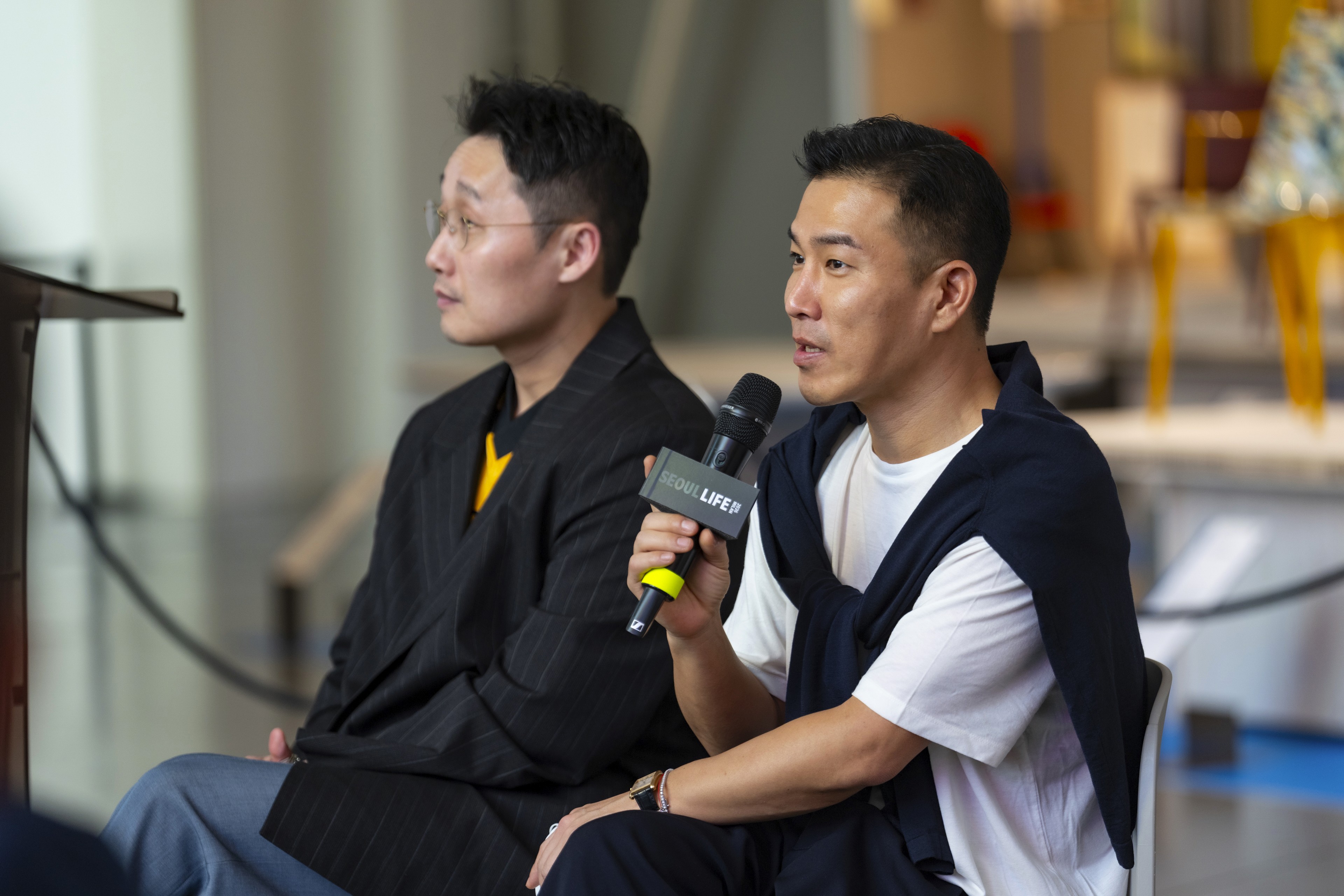
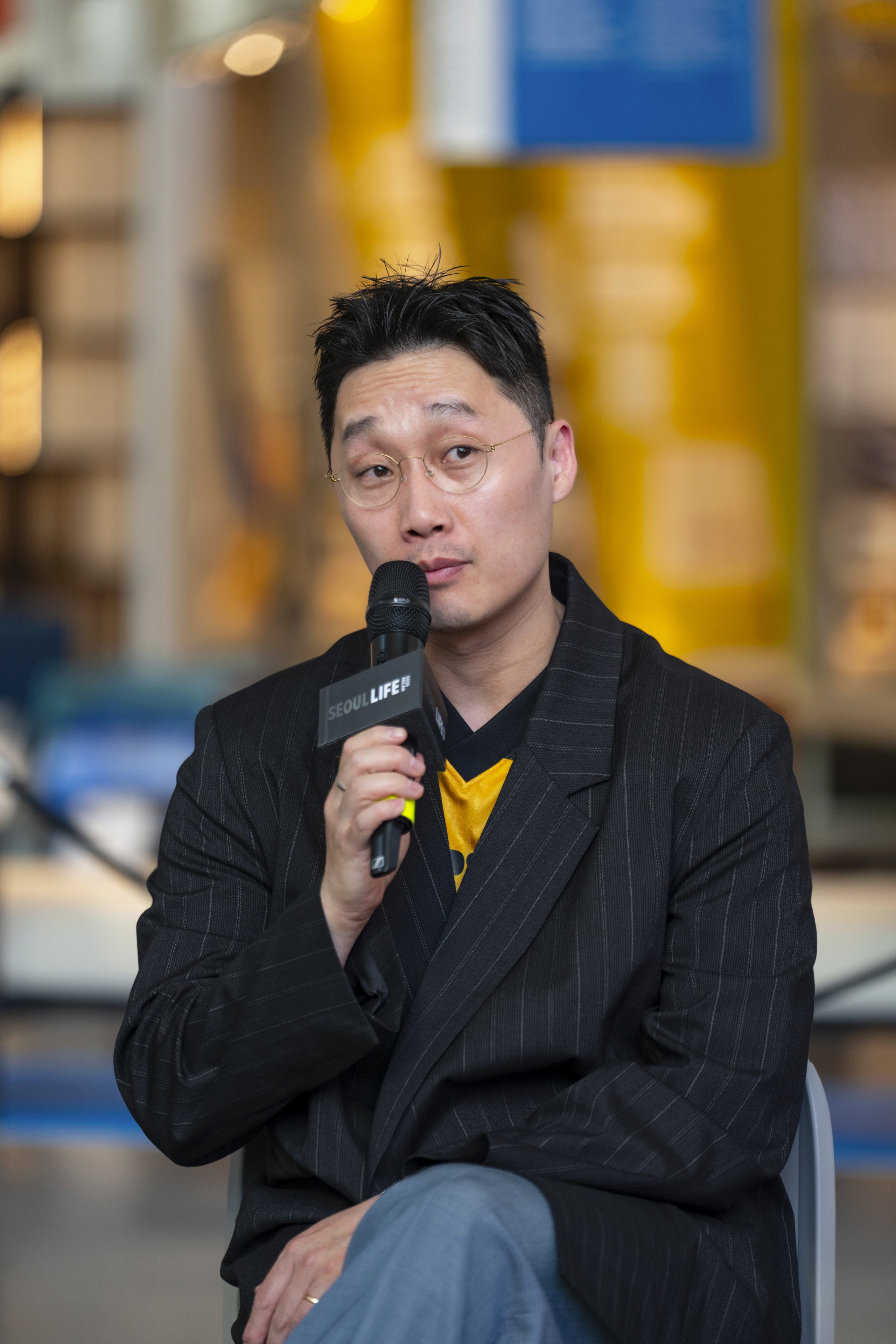
The opening ceremony was attended by Andrea Cancellato, Director of ADI Design Museum; Luciano Galimberti, President of ADI; H.E. Choon-goo Kim, Ambassador of the Republic of Korea to Italy; Tae Ho Choi, Consul General of the Republic of Korea in Milan; and Kang-heui Cha, President and CEO of Seoul Design Foundation.

Ambassador Kim emphasized that design operates as a universal language connecting Korea and Italy, expressing the hope that the exhibition would deepen cultural and people-to-people exchange between the two countries.
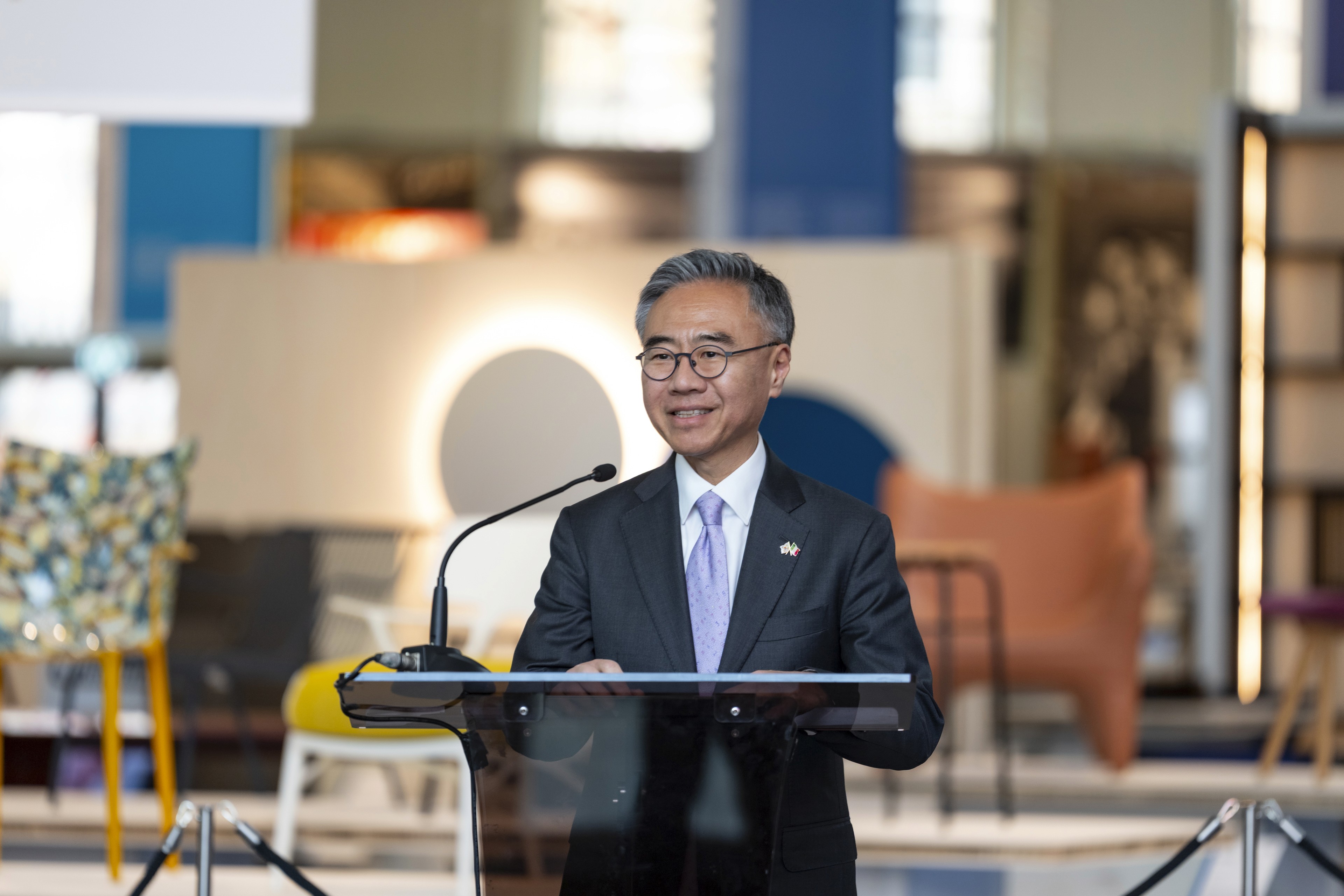
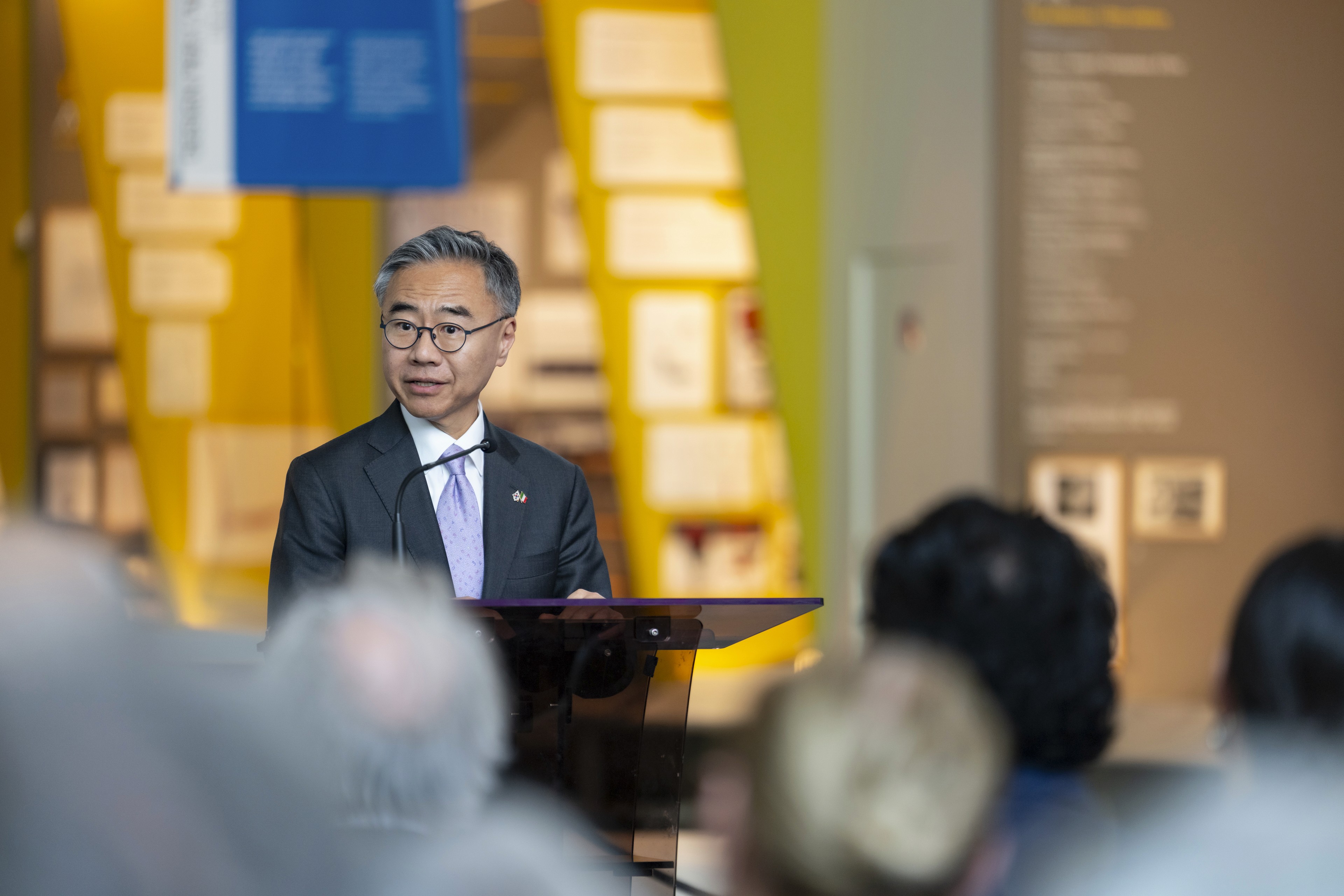
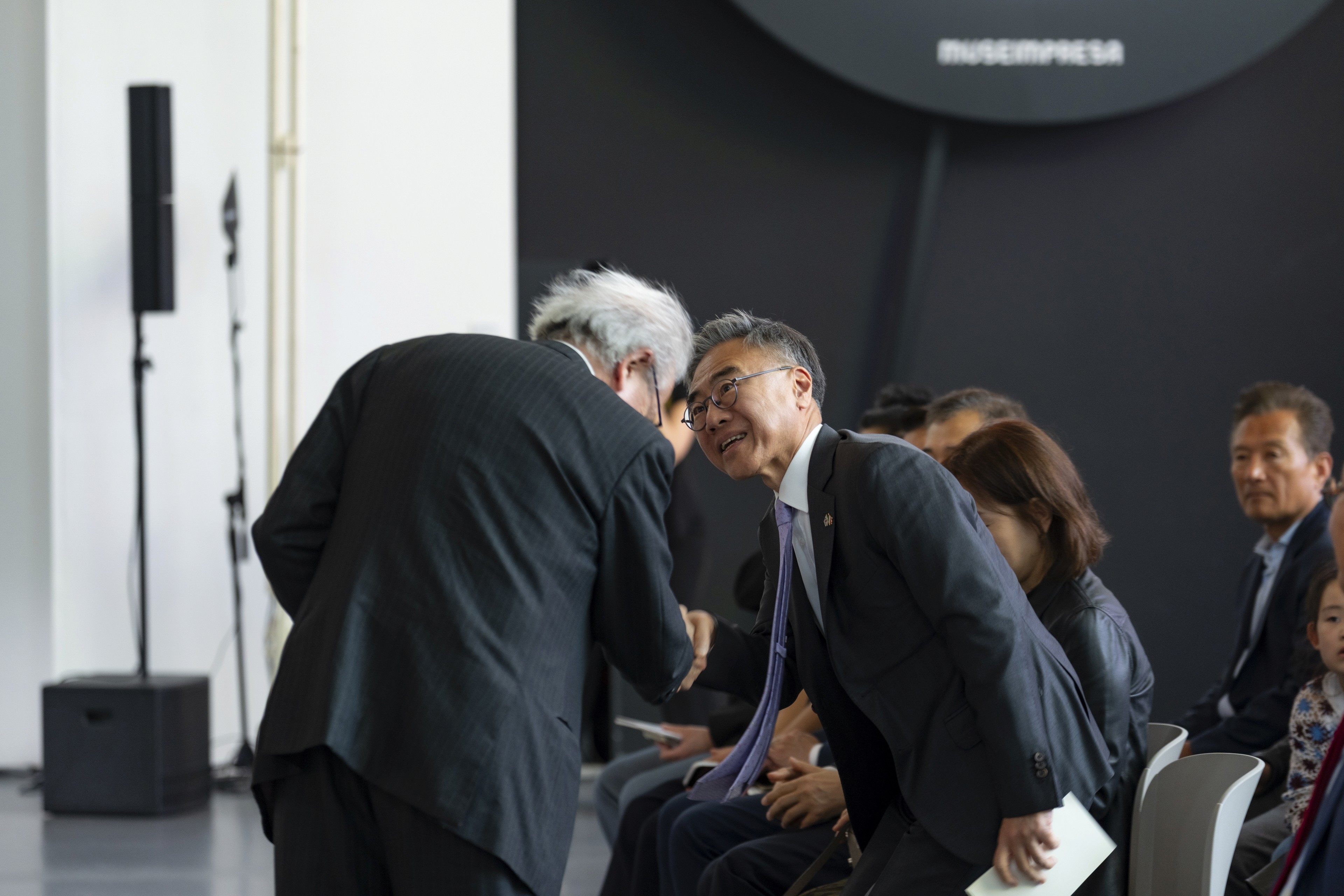
The presentation also marked the first major collaborative project following an agreement between Seoul Design Foundation and ADI Design Museum. Its location was significant: ADI is closely connected to the history of Italian industrial design and the Compasso d’Oro, one of the field’s most established design awards. By entering this institutional context, the soban was presented not merely as an artifact of Korean tradition, but as a participant in contemporary global design discourse.
What a Small Table Can Carry
《SEOUL LIFE 2026 MILAN》 did not argue that the future of Korean design must look traditional. Nor did it suggest that cultural identity can be secured by repeating historical forms.
Instead, it demonstrated that heritage remains meaningful when designers understand the values embedded within an object and allow those values to encounter new technologies, materials, and societies.
The soban is small enough to be carried by one person. Yet in Milan, it carried histories of domestic life, regional craftsmanship, individual dignity, shared meals, and changing ideas of how people inhabit space.
Its journey from the Korean home to ADI Design Museum revealed something larger: an everyday object does not need to become monumental in scale to enter a global conversation. Sometimes, the most lasting cultural stories begin with the objects that have quietly remained closest to human life.
