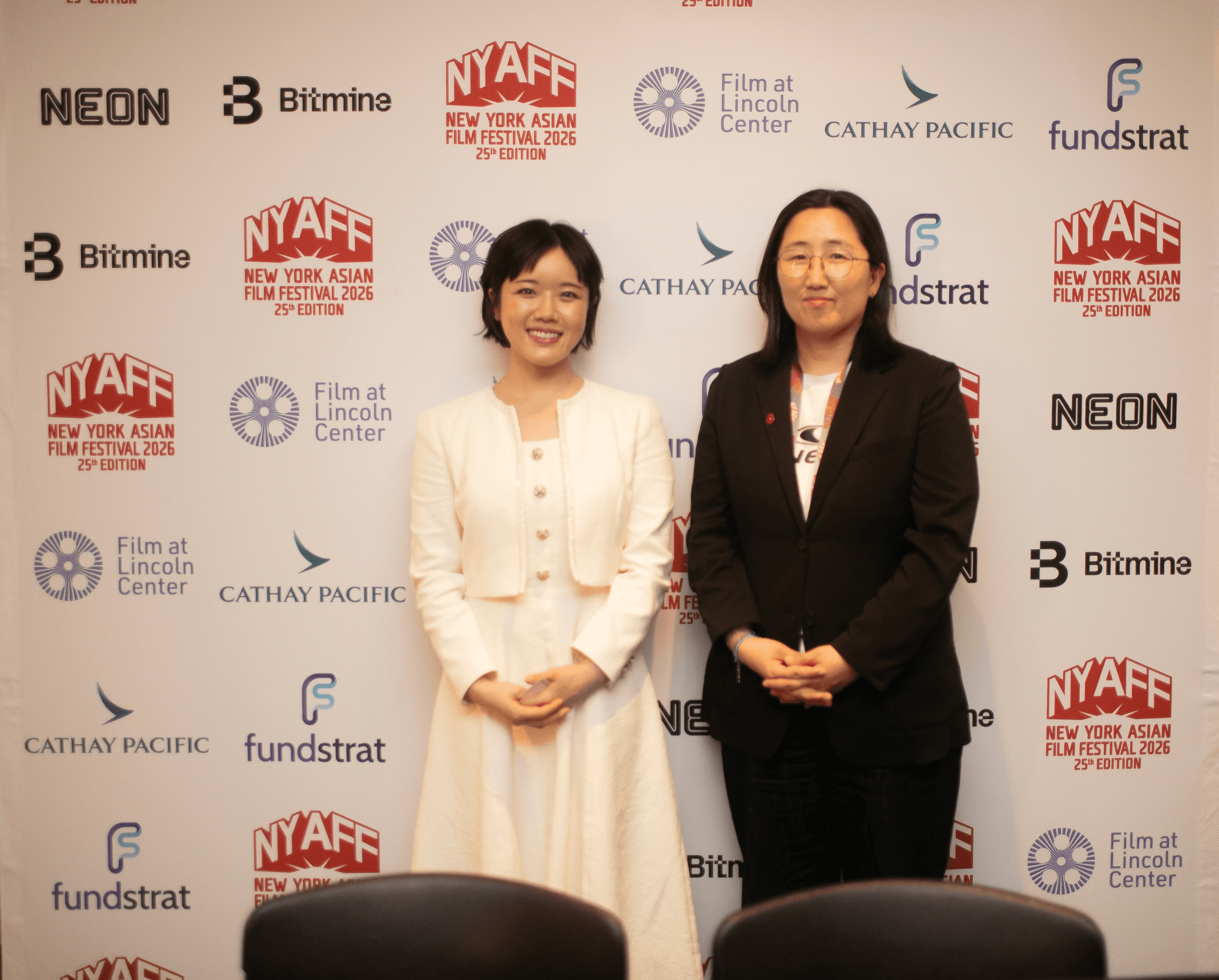
HALLAN Brings the Untold Story of Jeju 4.3 to a Global Audience
Sanghee Gil
When History Refuses to Remain in the Past

Some films entertain.
Others preserve memory.
HALLAN belongs to the latter.
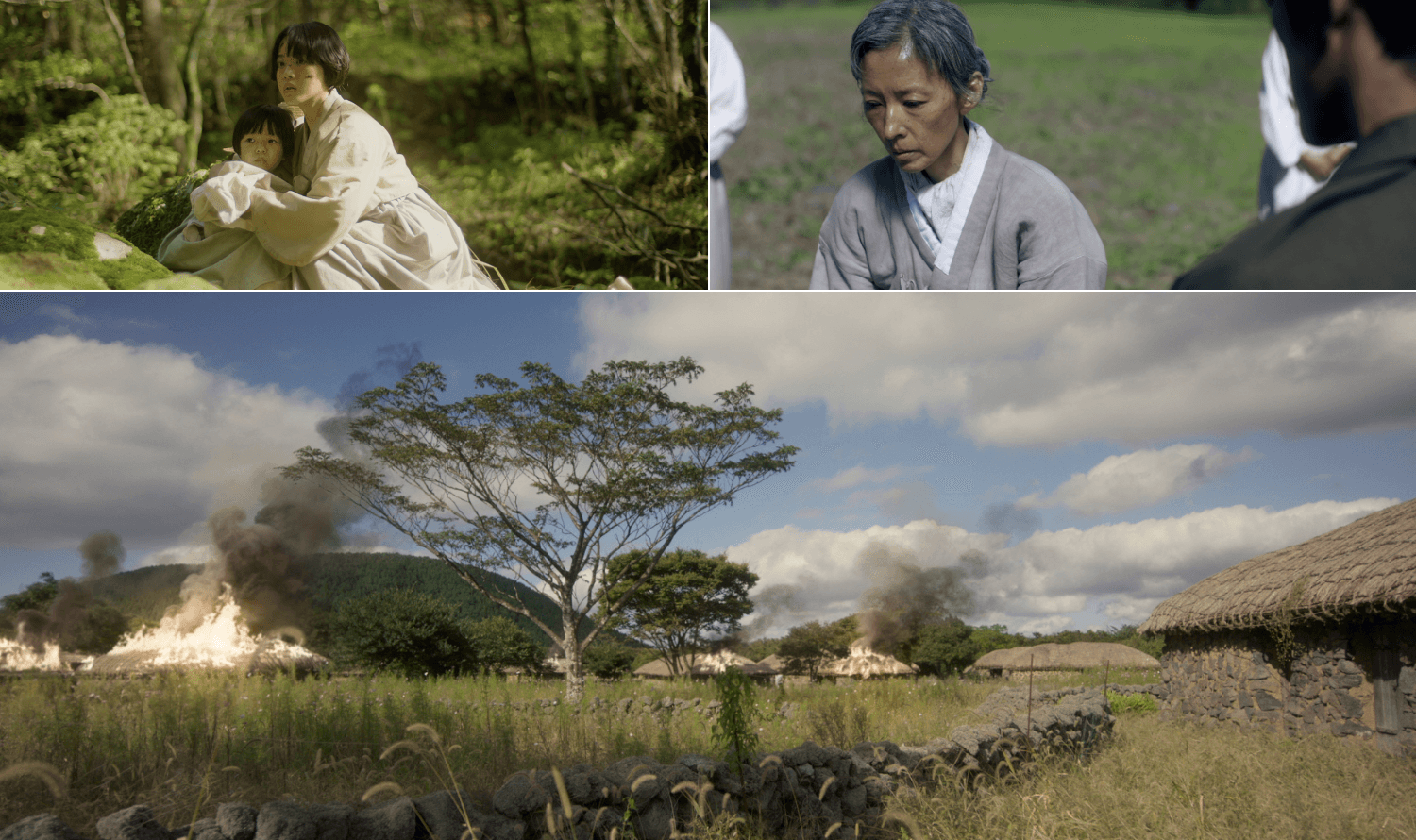
Presented at the 2026 New York Asian Film Festival, director Ha Myung-mi's latest work revisits one of the most painful chapters in modern Korean history—the Jeju 4.3 tragedy—not simply as a historical event, but as an enduring human story that continues to resonate across generations.
Rather than reconstructing history through spectacle, HALLAN chooses intimacy. It asks what remains after violence ends. It explores how silence, grief, and inherited memory continue to shape ordinary lives long after history disappears from newspaper headlines.
For international audiences, the film offers an introduction to a chapter of Korean history that remains largely unfamiliar. For Korean audiences, it becomes something far more personal: an invitation to remember.
A Story Rooted in Korea, Yet Universally Human

Although HALLAN is deeply connected to Jeju Island and the events of 1948, its emotional language is universal.
Around the world, societies continue to wrestle with memories of war, political violence, forced displacement, and historical injustice. Every nation carries stories that were once ignored, forgotten, or deliberately silenced.
HALLAN quietly joins that global conversation.
Instead of presenting history as something finished, the film reminds viewers that memory itself is a living responsibility.
A Conversation Beyond Cinema


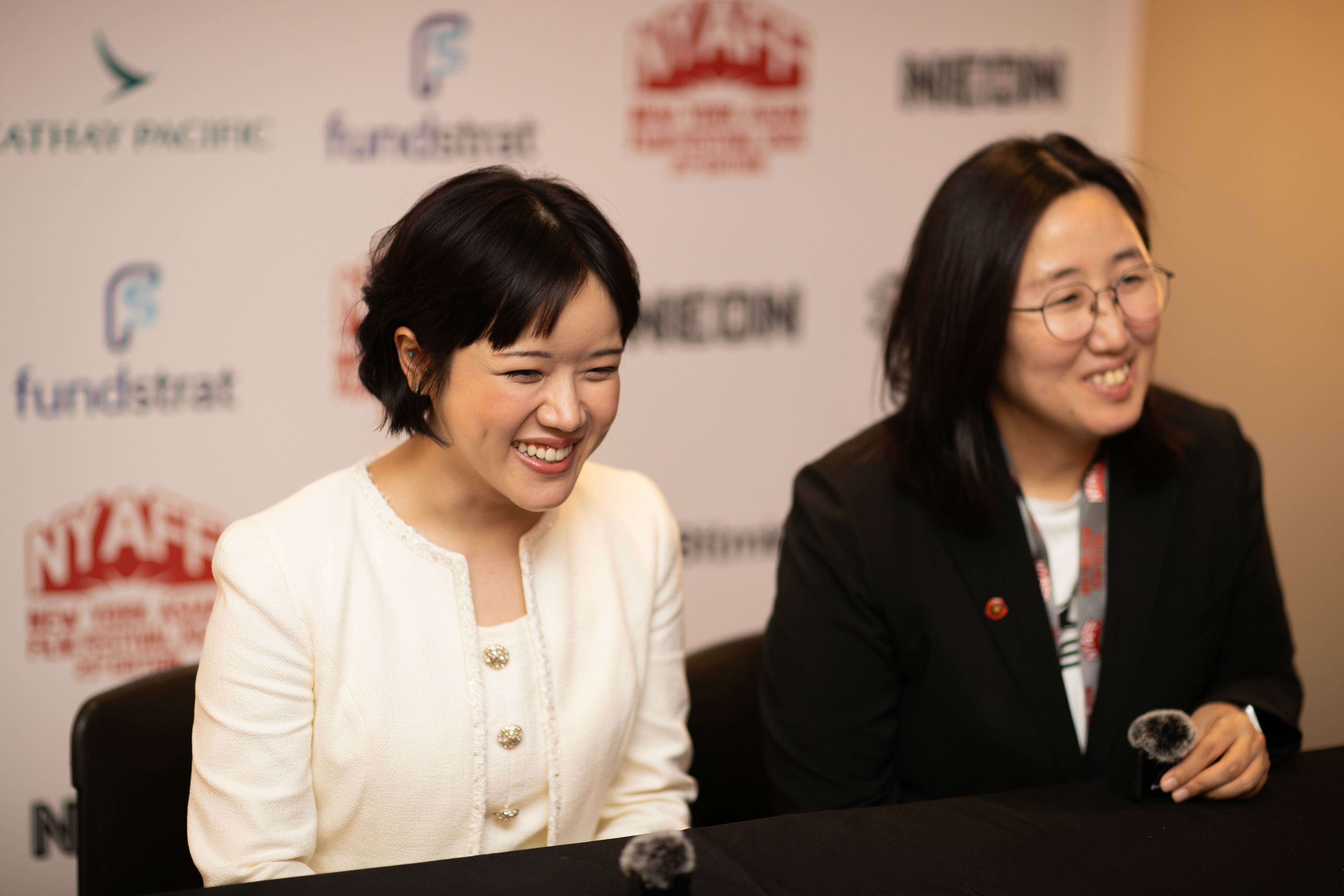
During Brunch Magazine's exclusive interview in New York, director Ha Myung-mi reflected on the responsibility of transforming historical memory into cinema without losing its humanity.
Rather than focusing solely on historical accuracy, the conversation centered on empathy—how storytelling can preserve voices that history often overlooks, and how film can become a bridge between generations.
The discussion naturally expanded beyond Korea, touching on the universal responsibility artists share when portraying collective trauma.
It became clear that HALLAN was never intended to exist only as a Korean historical film.
It is a film about people.
Kim Hyang-gi's Quiet Strength


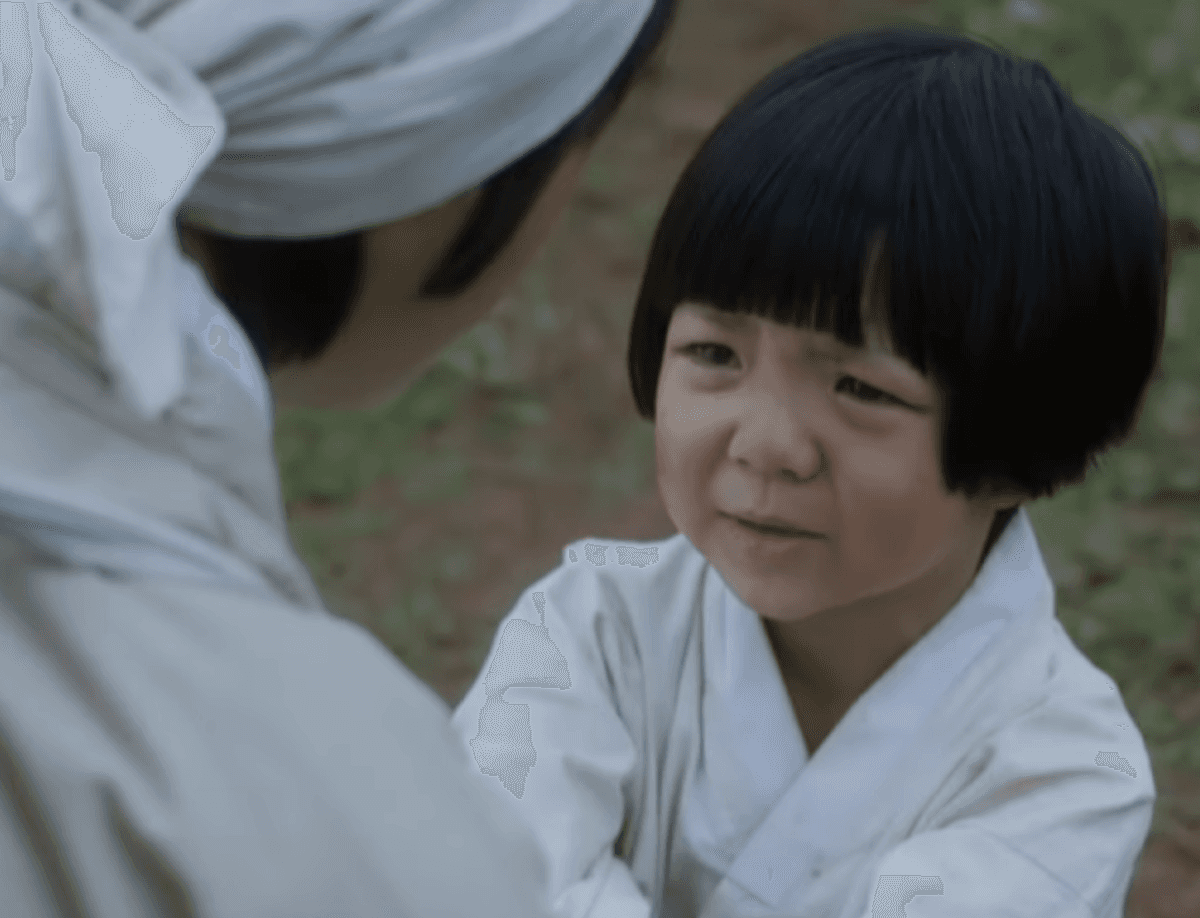
Kim Hyang-gi delivers one of the film's most emotionally restrained performances.
Rather than relying on dramatic expression, she communicates through silence, subtle gestures, and emotional honesty.
Her portrayal allows audiences unfamiliar with Korean history to connect with the character before understanding the historical context.
That emotional accessibility becomes one of the film's greatest achievements.
History may differ from country to country, but grief, family, loss, and hope are experiences every audience understands.
Why This Story Matters Today

Historical films often ask viewers to look backward.
HALLAN asks something different.
It asks how history continues to influence the present.
At a time when conversations about historical memory, reconciliation, and human rights continue across the world, the film feels remarkably relevant.
Its significance extends beyond Korea.
It reminds international audiences that remembering history is not simply about preserving the past—it is about protecting the future.
A Film the World Should See
There were moments during our interview when it no longer felt like an interview.
It felt like people sitting together, reflecting on history, identity, and responsibility.
Perhaps that is the greatest achievement of HALLAN.
It does not ask audiences to sympathize because the story is Korean.
It invites them to recognize something profoundly human.
If this film reaches wider international audiences, it will not simply introduce the world to Jeju 4.3.
It will remind us that every society has stories that deserve to be remembered—and that cinema remains one of the most powerful ways to ensure they are never forgotten.