Light in Motion: Lodes Reframes the Architecture of Illumination
Sanghee Gil
Light in Motion: Lodes Reframes the Architecture of Illumination
At Milan Design Week, light is rarely presented as a matter of visibility alone. It becomes atmosphere, architecture and sometimes even a form of choreography.
Inside the Lodes showroom on Via della Moscova, the Venetian lighting brand approached its 2026 collection not as a sequence of isolated objects, but as an evolving language capable of responding to different spaces, gestures and ways of living. Decorative lighting, architectural systems, material research and outdoor design came together under a shared idea: light should not simply occupy a room. It should enter into dialogue with it.
The presentation reflected a broader change taking place within contemporary design. As interiors become increasingly adaptable—and the boundaries between residential, hospitality, retail and outdoor environments grow less fixed—lighting must become more fluid as well.
For Lodes, that fluidity is not the abandonment of tradition. It is the continuation of it.
A Venetian Legacy, Rewritten for the Present

Founded in 1950 by Angelo Tosetto, Lodes began in the Venetian region through its founder’s passion for glass and decorative lighting. Across three generations, the company has evolved from a traditional chandelier manufacturer into an international lighting brand combining material knowledge, technological research and contemporary design.
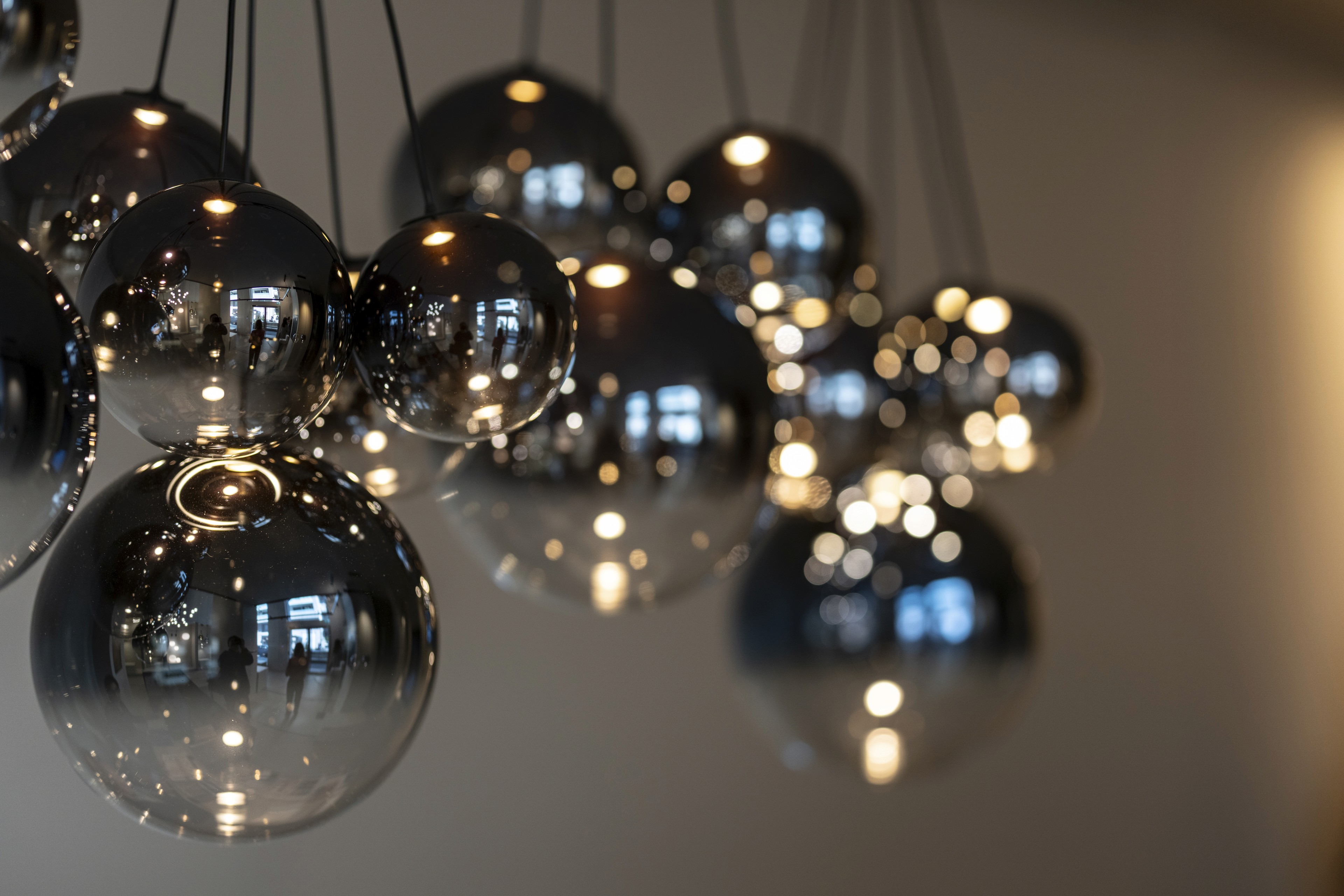
Formerly known as Studio Italia Design, the company adopted the name Lodes in 2020, marking a wider cultural and creative transformation. Today, it develops lighting for both interior and exterior environments and operates across more than 90 international markets.
Yet its identity remains rooted in an understanding familiar to Venice: light is never entirely separate from material. It passes through glass, reflects against metal, disappears into transparency and changes according to the position of the viewer.
The 2026 collection translated this heritage into a vocabulary shaped by movement, modularity and spatial freedom.
Axia: Reconsidering the Chandelier
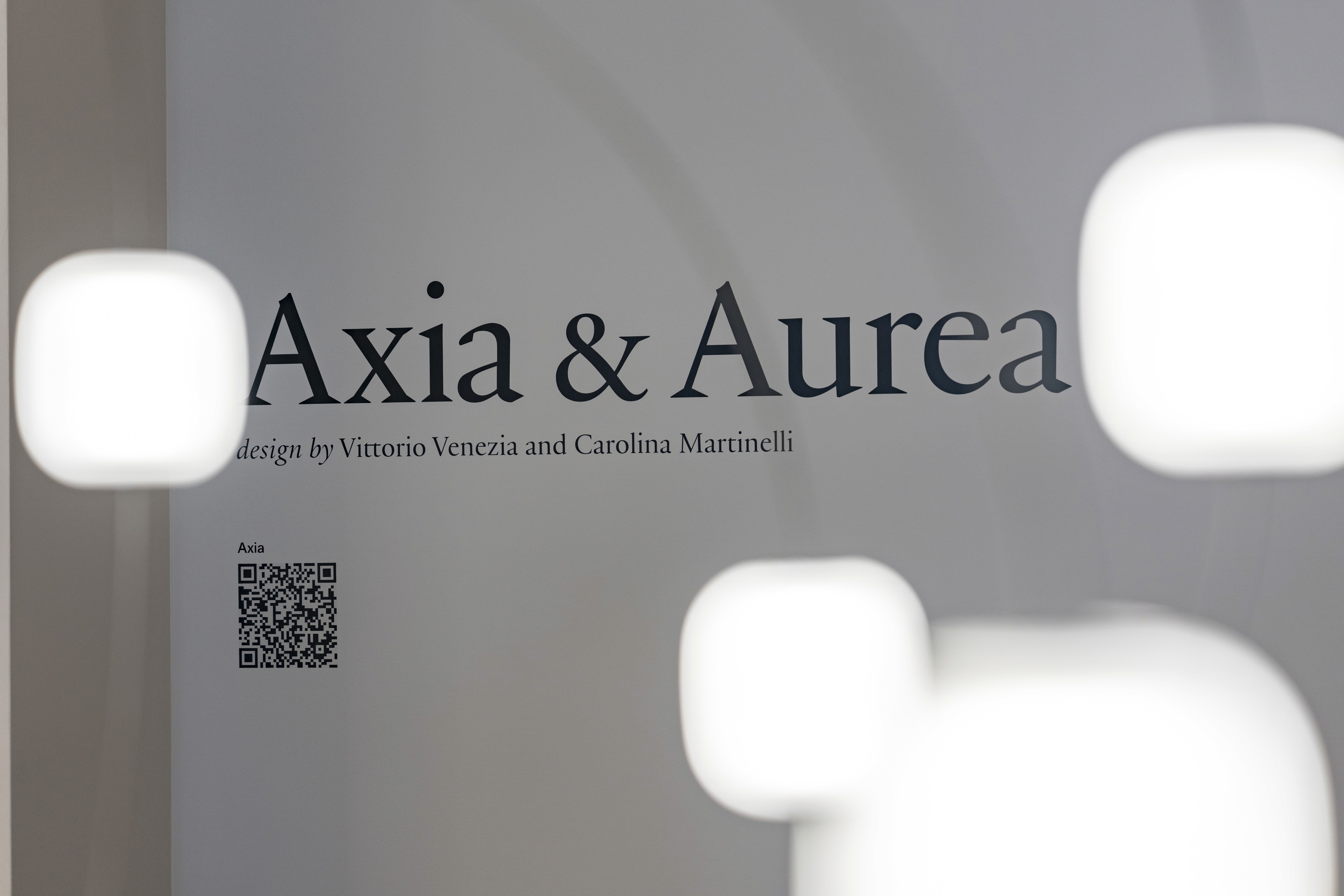
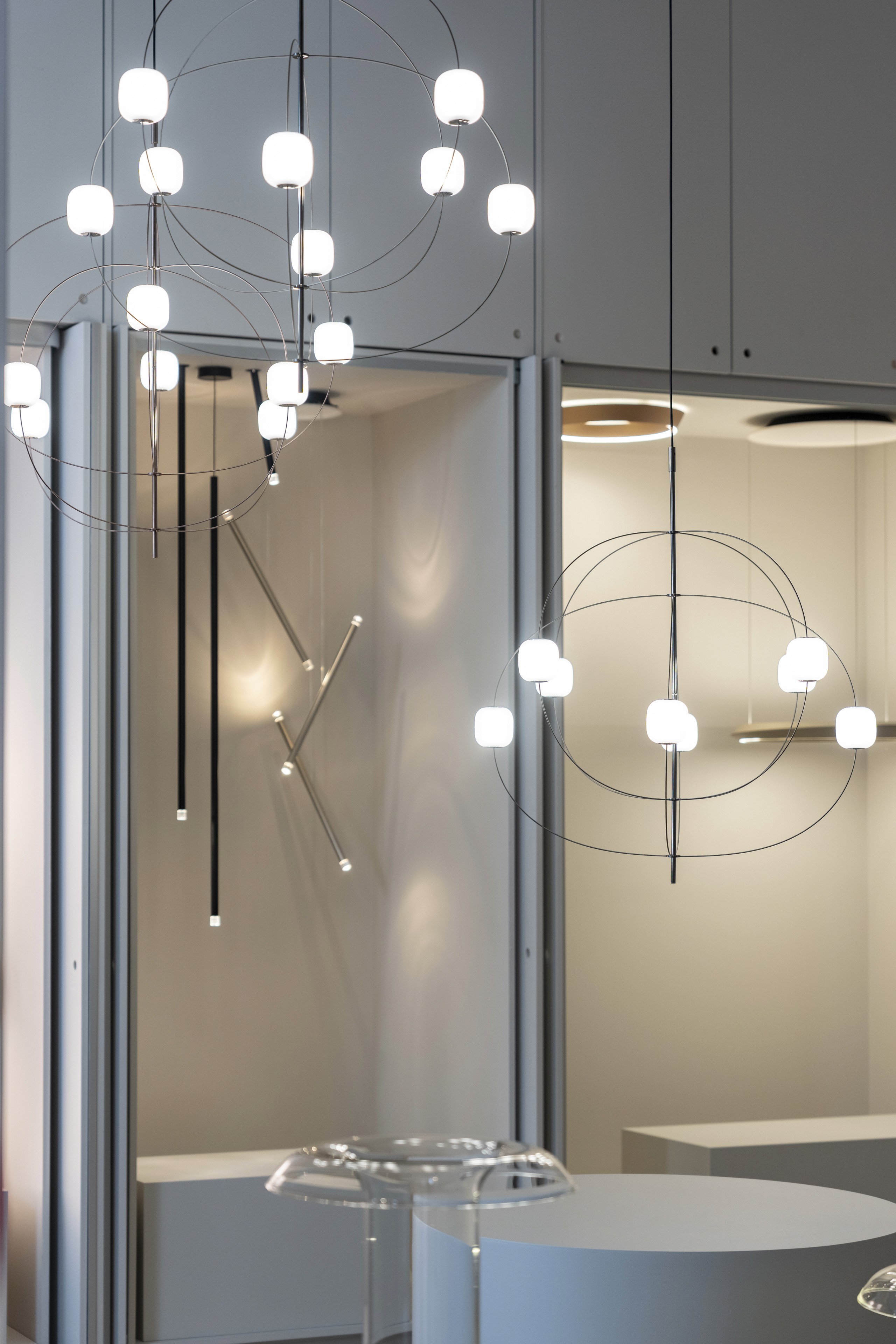
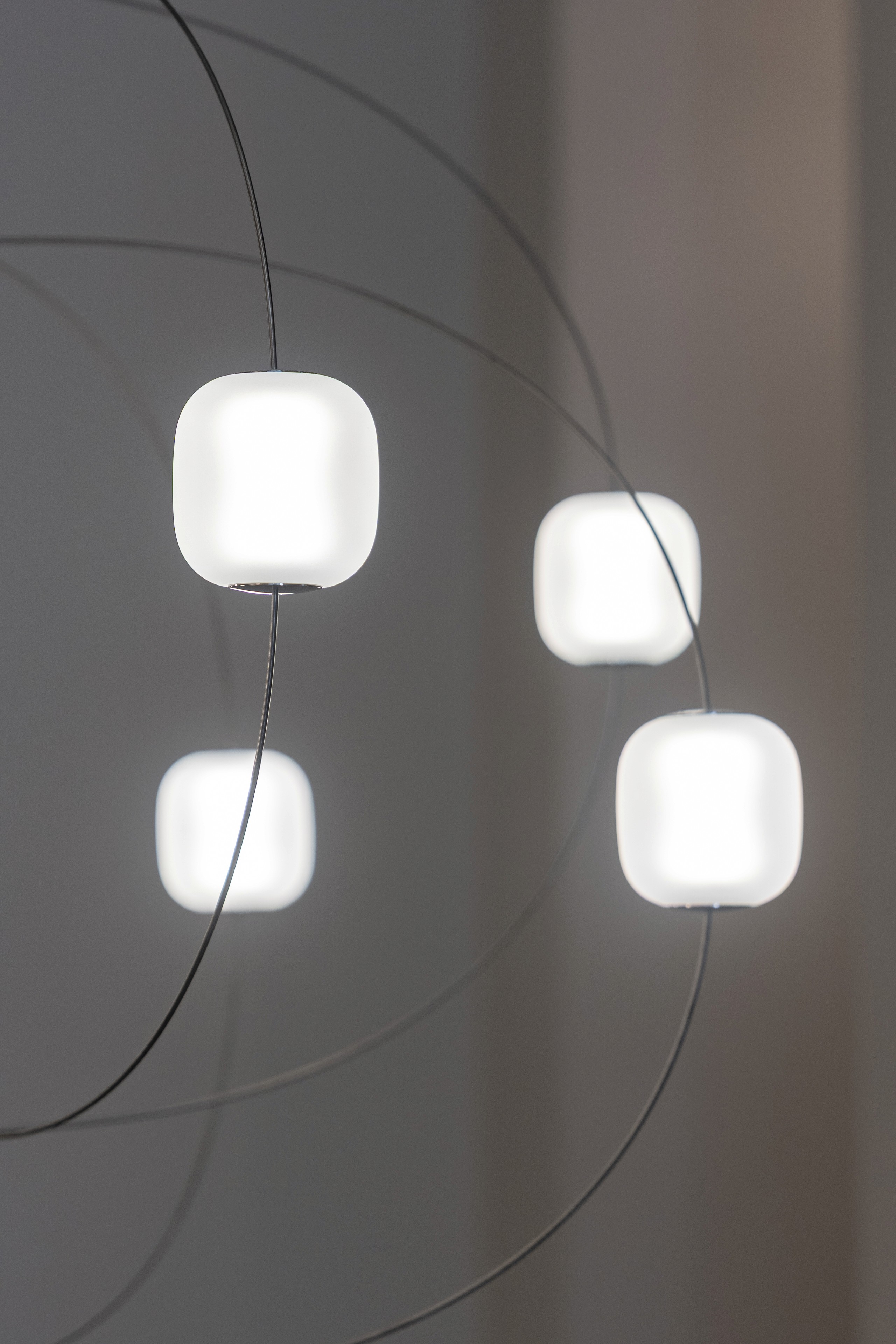
Designed by Vittorio Venezia and Carolina Martinelli of Martinelli Venezia, Axia begins with one of lighting design’s most recognisable archetypes: the chandelier.
Rather than reproducing its traditional symmetry or ornament, the designers reduce the chandelier to a carefully balanced structure in which technology, illumination and decorative expression become almost inseparable. Its composition feels controlled without appearing rigid—a system in which order leaves space for visual freedom.
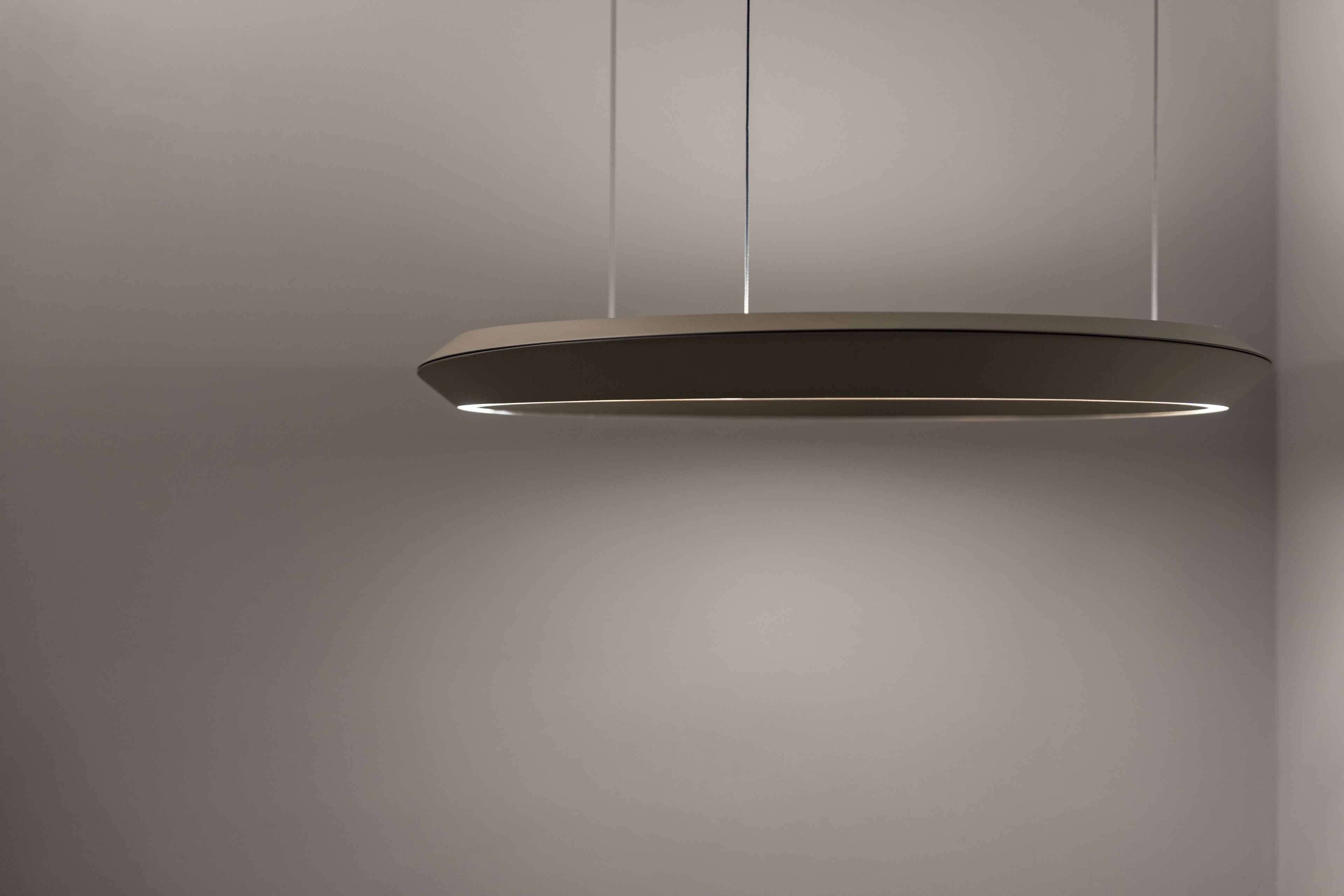
With an 80-centimetre structure available in Glossy Bronze and Black Chrome, Axia has enough presence to define an interior while remaining visually measured. Its form continues to contribute to the atmosphere even when the light is switched off.
The result is neither a nostalgic chandelier nor a purely technical suspension lamp. Axia stands between those categories, carrying the ceremonial presence of the chandelier into contemporary hospitality, residential and contract environments. Lodes describes the design as a meeting of decorative expression, light and technology founded upon the idea of balance.
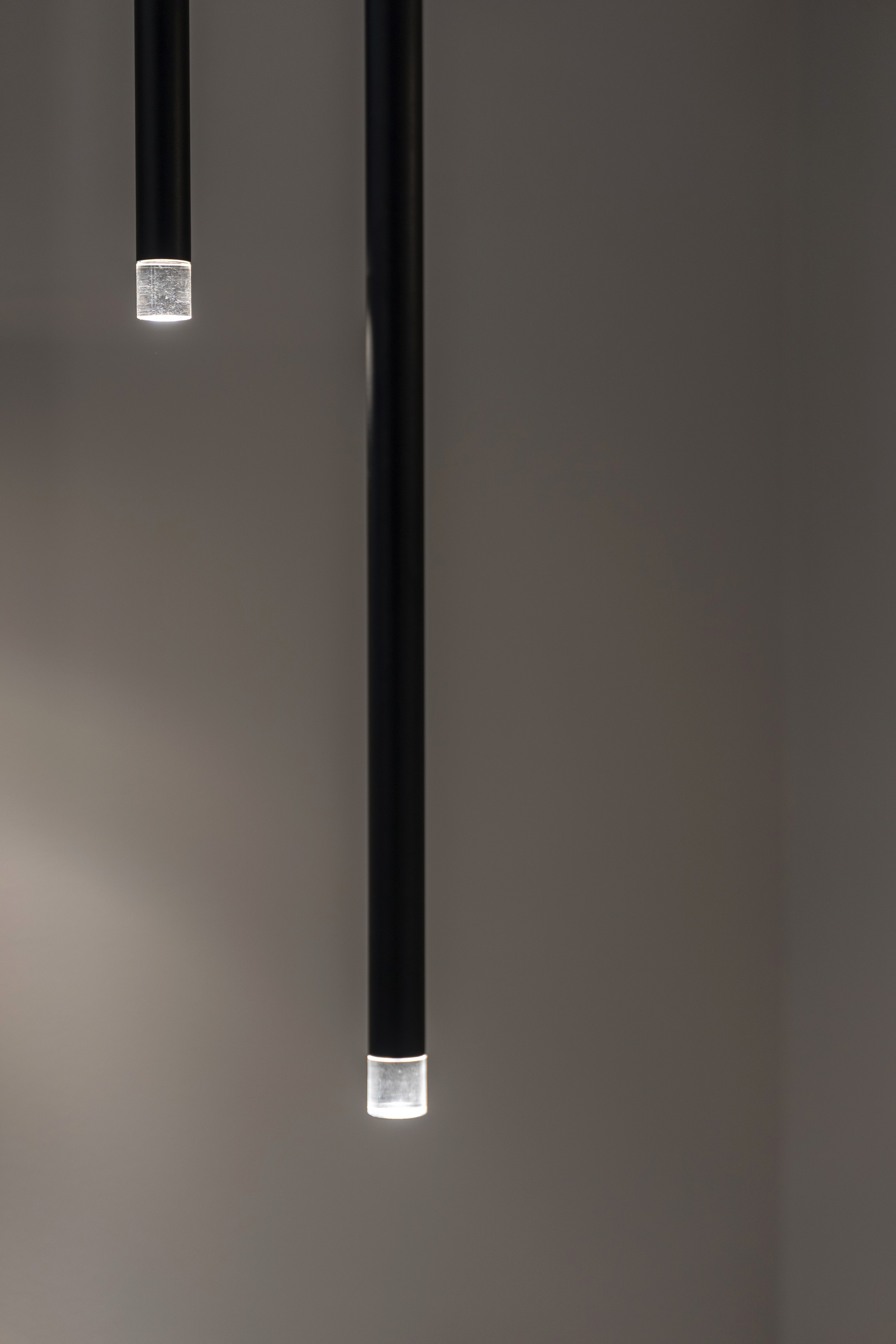
It is this balance that gives Axia its quiet authority. The object does not attempt to overwhelm the architecture around it. Instead, it establishes a centre of gravity within the room.
Aurea: The Presence of Transparency
If Axia explores structure, Aurea considers what happens when the physical body of a lamp nearly disappears.
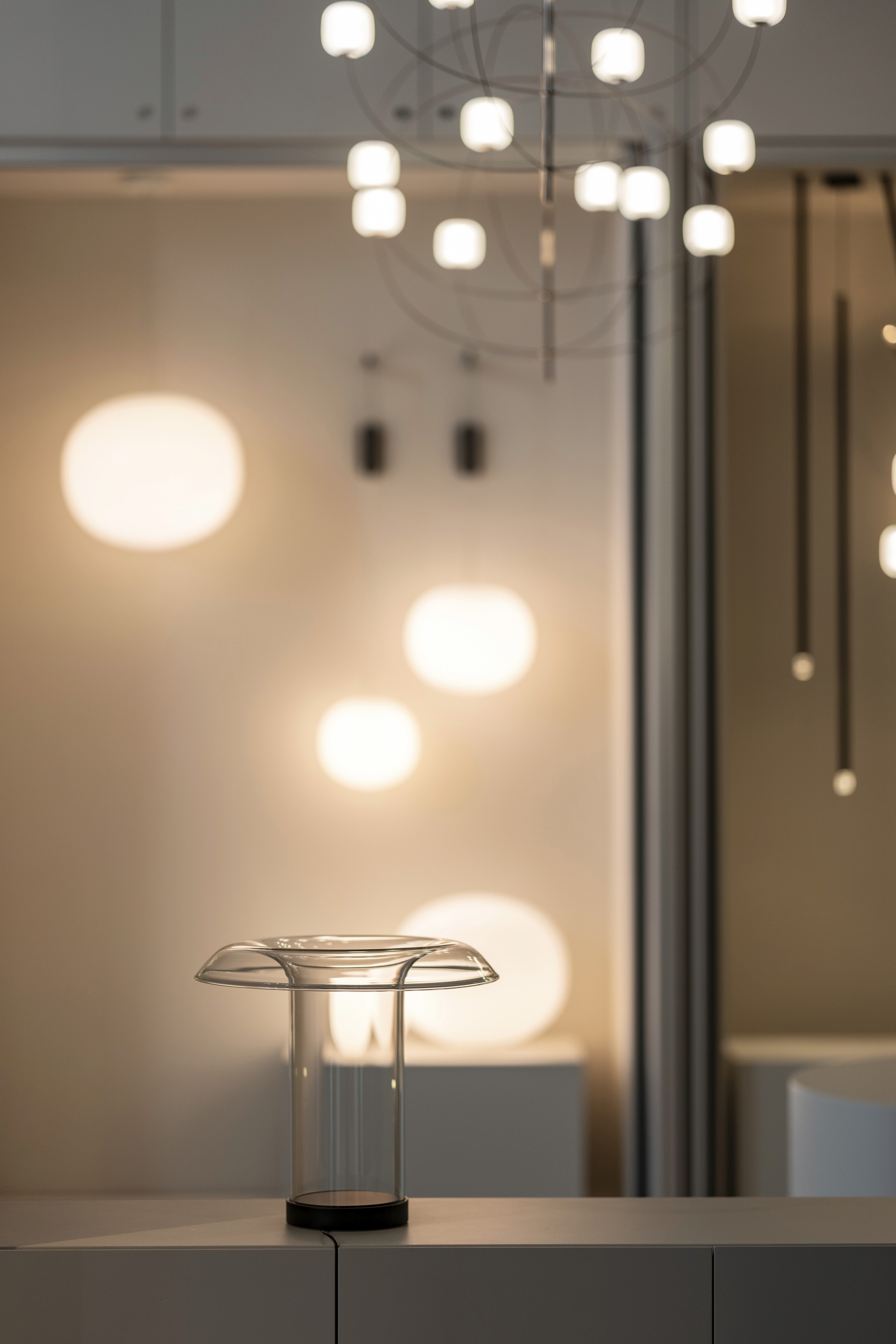
Also designed by Martinelli Venezia, Aurea is a sculptural table lamp built around an almost imperceptible glass diffuser. When unlit, the transparent volume appears to occupy the space lightly. Once activated, refraction and optical-fibre technology distribute a uniform glow through the glass, allowing the material itself to appear illuminated from within.
A black base anchors the composition, creating a contrast between visual weight and transparency. An integrated touch dimmer allows the lamp to shift between functional lighting and a more intimate atmosphere.
Aurea demonstrates that transparency is not the absence of form. It can be a material presence of its own—one that becomes fully visible only through light.
In an age of increasingly crowded interiors, its restraint feels particularly relevant. The lamp does not demand attention through size or ornament. It changes the emotional temperature of its surroundings through reflection, softness and controlled luminosity.
DoubleZero7: From Object to System
The most architectural development within the collection is DoubleZero7, Lodes’ first open and reconfigurable track-lighting system.

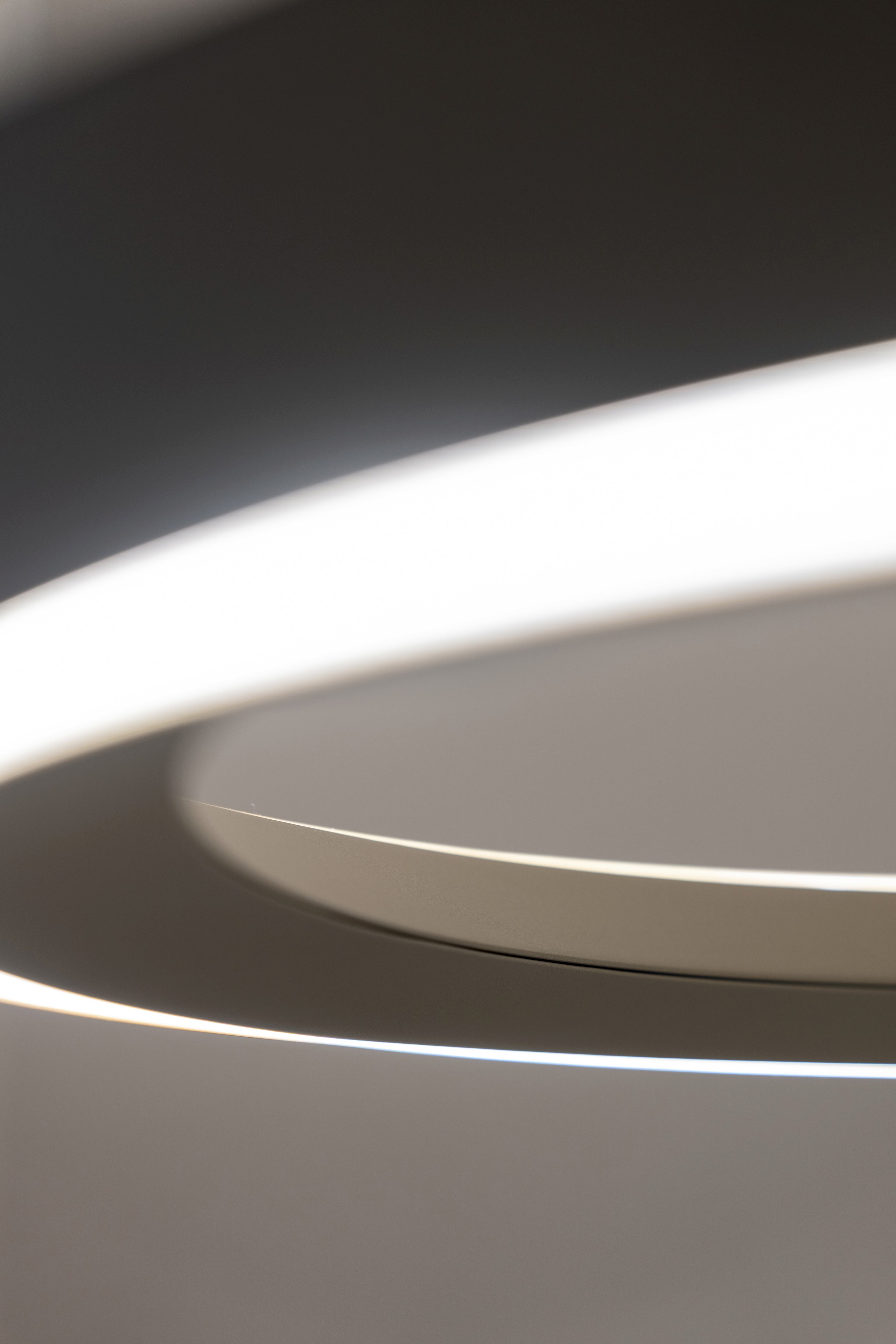
Built around a minimalist 48V electrified track, the system brings architectural, decorative and functional lighting into a single framework. It can be configured as a trimless recessed system, mounted directly onto a surface or suspended with both upward and downward light emission.
This flexibility allows designers to reorganise lighting according to the changing requirements of a space. Pendants, architectural modules and focused light sources can coexist without appearing to belong to separate visual systems.

DoubleZero7 therefore represents more than a new technical product. It signals a change in how Lodes understands the role of lighting. Light is no longer introduced only after the architecture has been determined. It becomes part of the architecture’s operating structure.
In residential interiors, the system can accommodate changes in furniture and use. In galleries, retail environments and hospitality spaces, it can respond to shifting displays, circulation patterns and atmospheres. Lodes developed the system in response to the growing demand for modularity in contemporary interior architecture.
Here, illumination becomes infrastructure—but infrastructure with aesthetic character.
Non Random: Giving the Sphere a New Identity
With Non Random, Lodes returns to another familiar lighting form: the glass sphere.
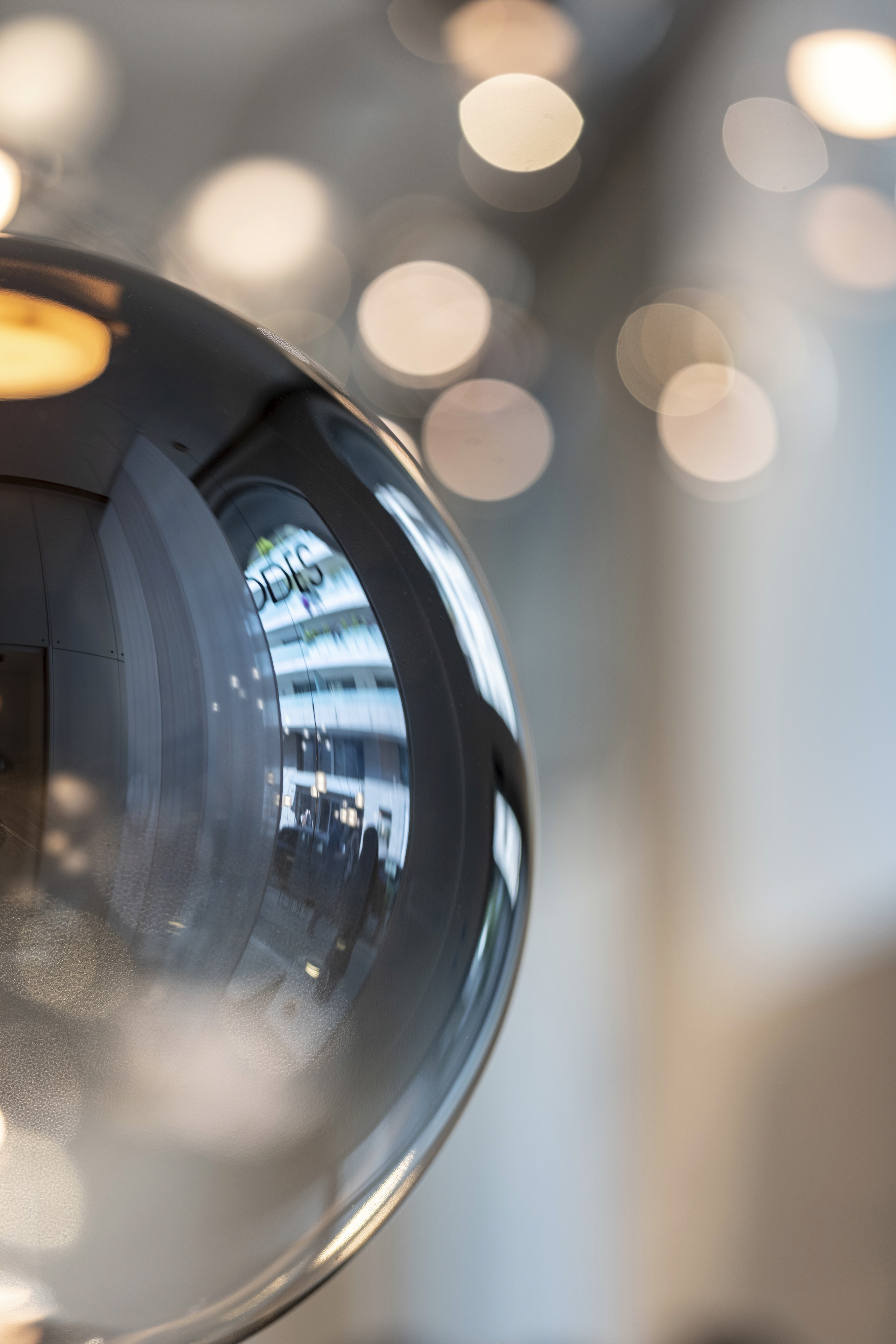
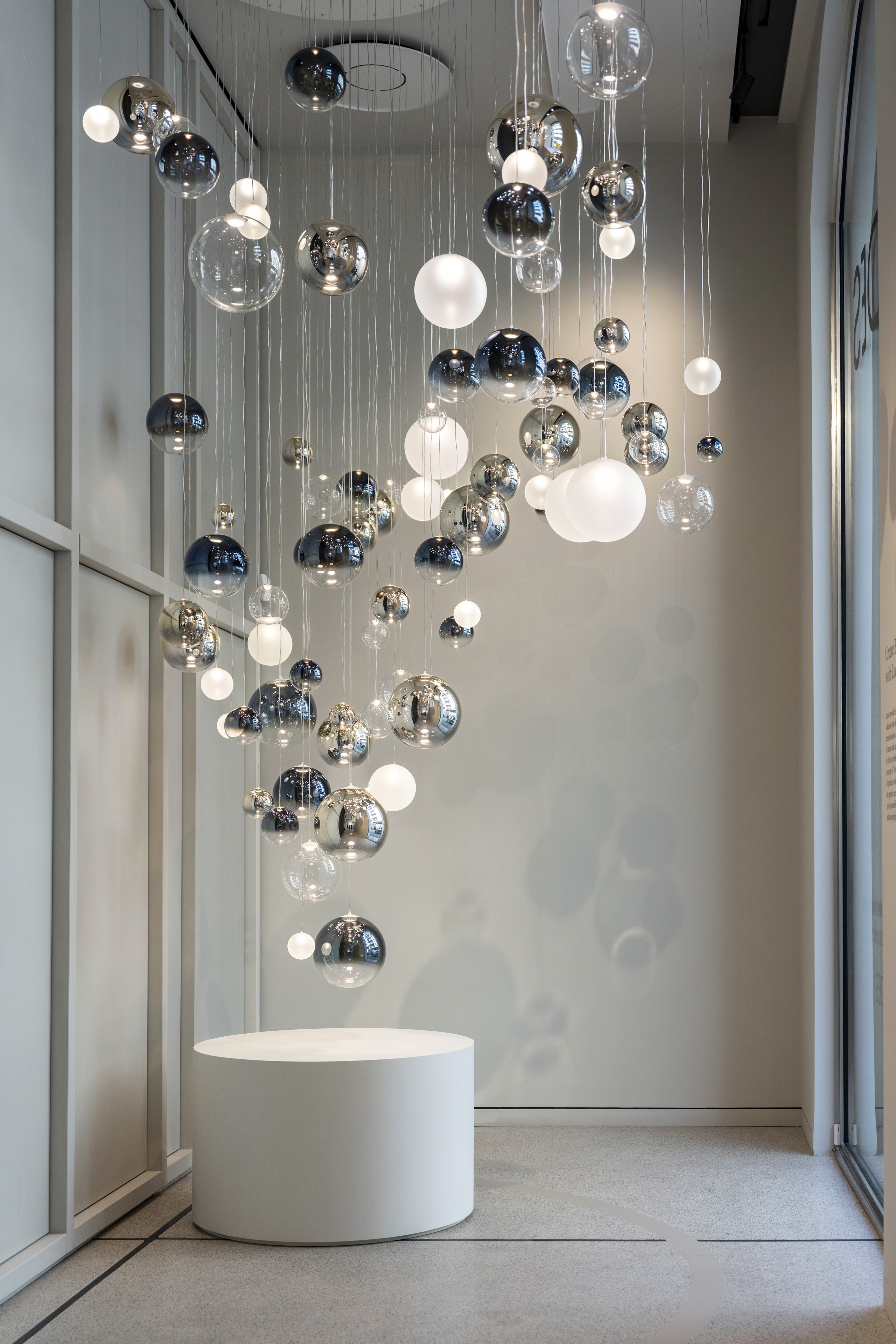
The collection reinterprets that universal shape through a more assertive scale, saturated finishes and a seamless relationship between the diffuser and its upper cap. Offered in three diameters—33, 38 and 43 centimetres—the suspension lamp can function alone or become part of a larger composition.
Clear, Glossy Smoke and Glossy Bronze are joined by Mandarin Orange, Golden Sage and Deep Azure Steel. These finishes allow the sphere to move beyond neutrality and participate more actively in the identity of an interior.
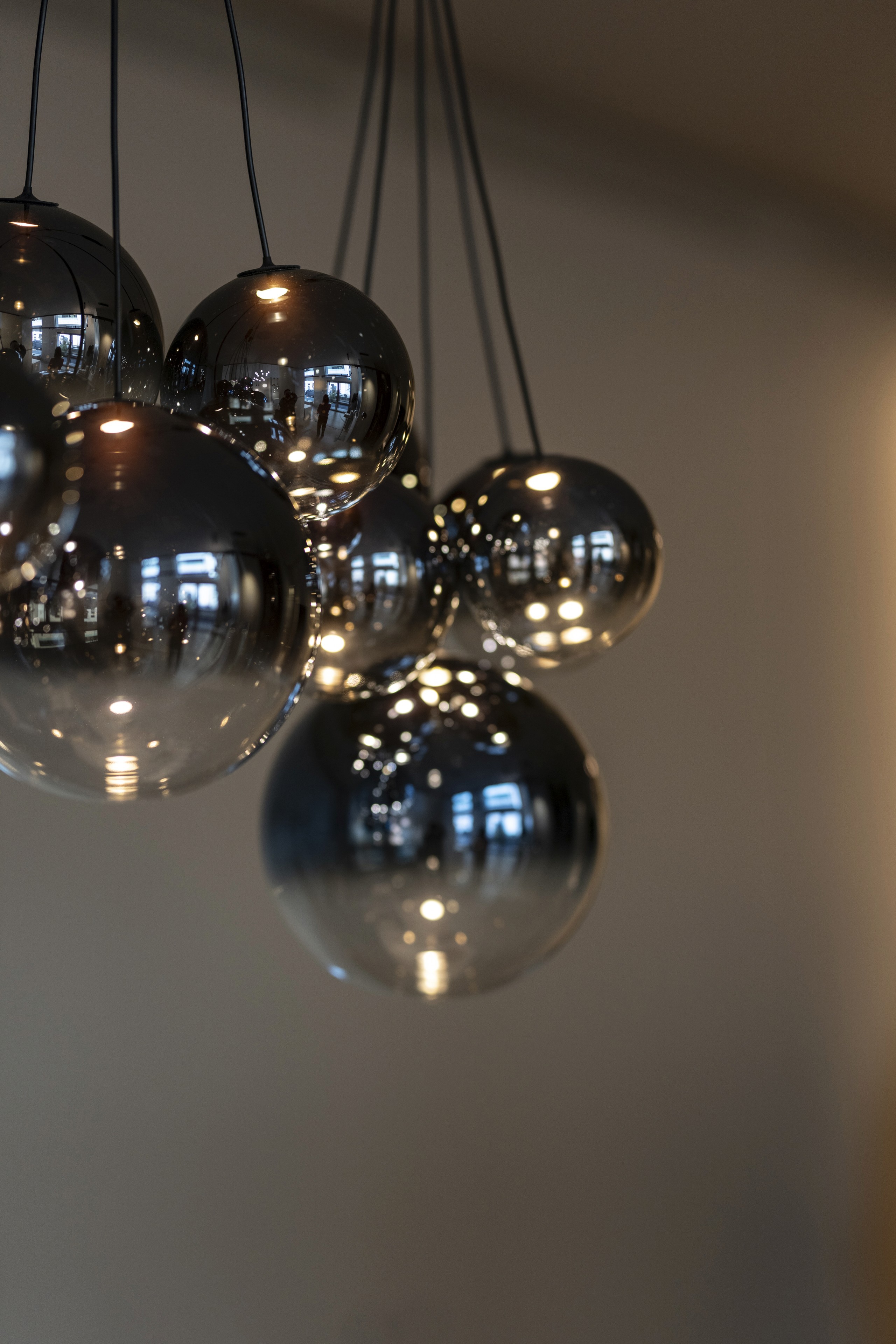
The significance of Non Random lies in this ability to alternate between repetition and individuality. A single lamp can act as a concise visual punctuation, while a layered arrangement can transform an atrium, restaurant or hotel lobby into a field of colour and light.
Its name also points toward an underlying design principle: apparent simplicity is carefully constructed. Proportion, diffusion, colour and placement are intentional, even when the final composition appears spontaneous.
Extending Light Beyond the Interior
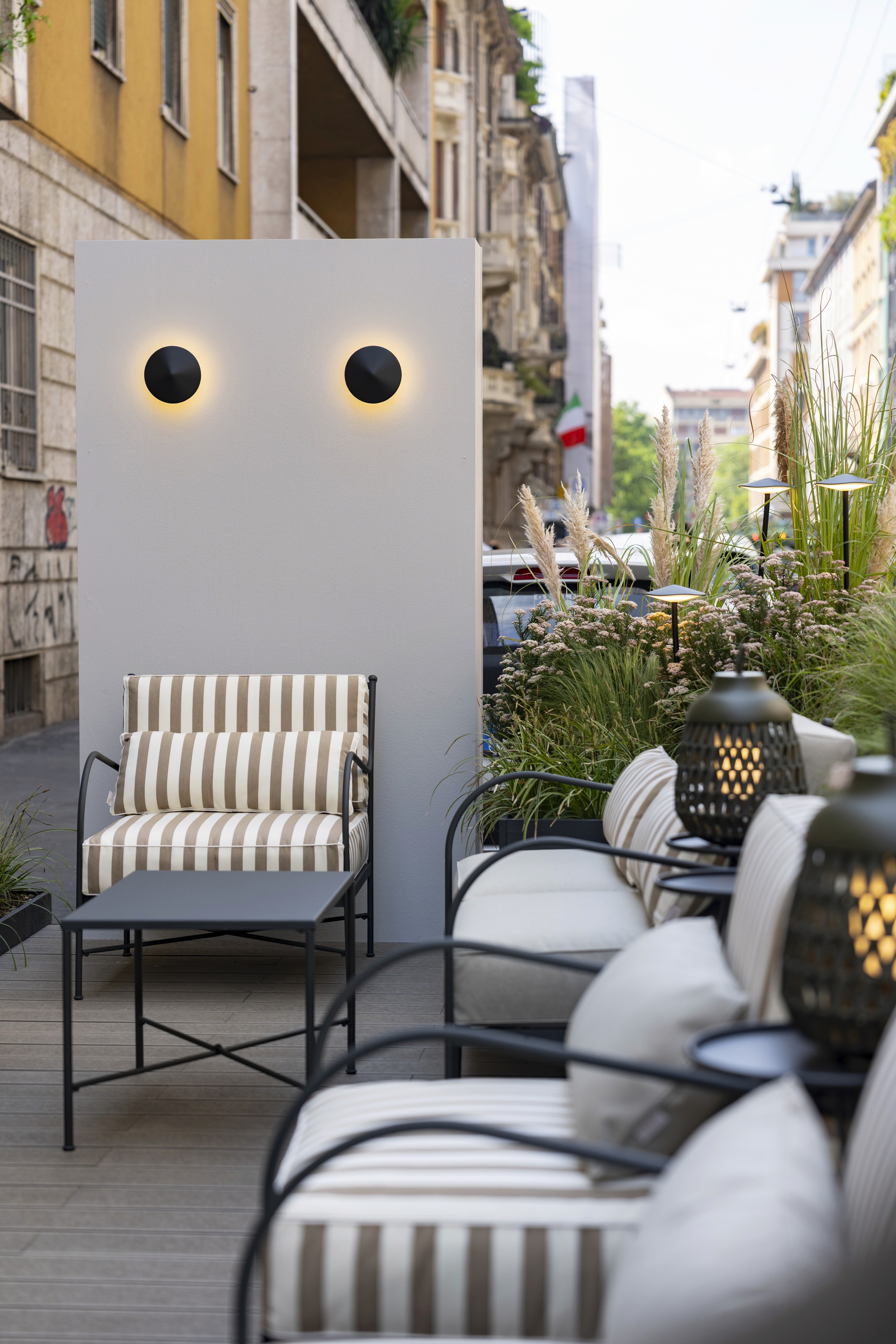
Lodes also announced a strategic partnership with Italian outdoor-furniture company Unopiù, bringing together lighting and furniture within integrated residential and hospitality projects.
The collaboration responds to the increasing complexity of outdoor spaces, which are no longer treated as secondary areas disconnected from interior life. Terraces, gardens, courtyards and hospitality environments now require the same level of atmospheric and technical consideration as indoor architecture.
By combining Lodes’ lighting expertise with Unopiù’s experience in outdoor furniture, the partnership proposes a more cohesive approach—one in which objects, illumination and landscape are developed as parts of the same environment.
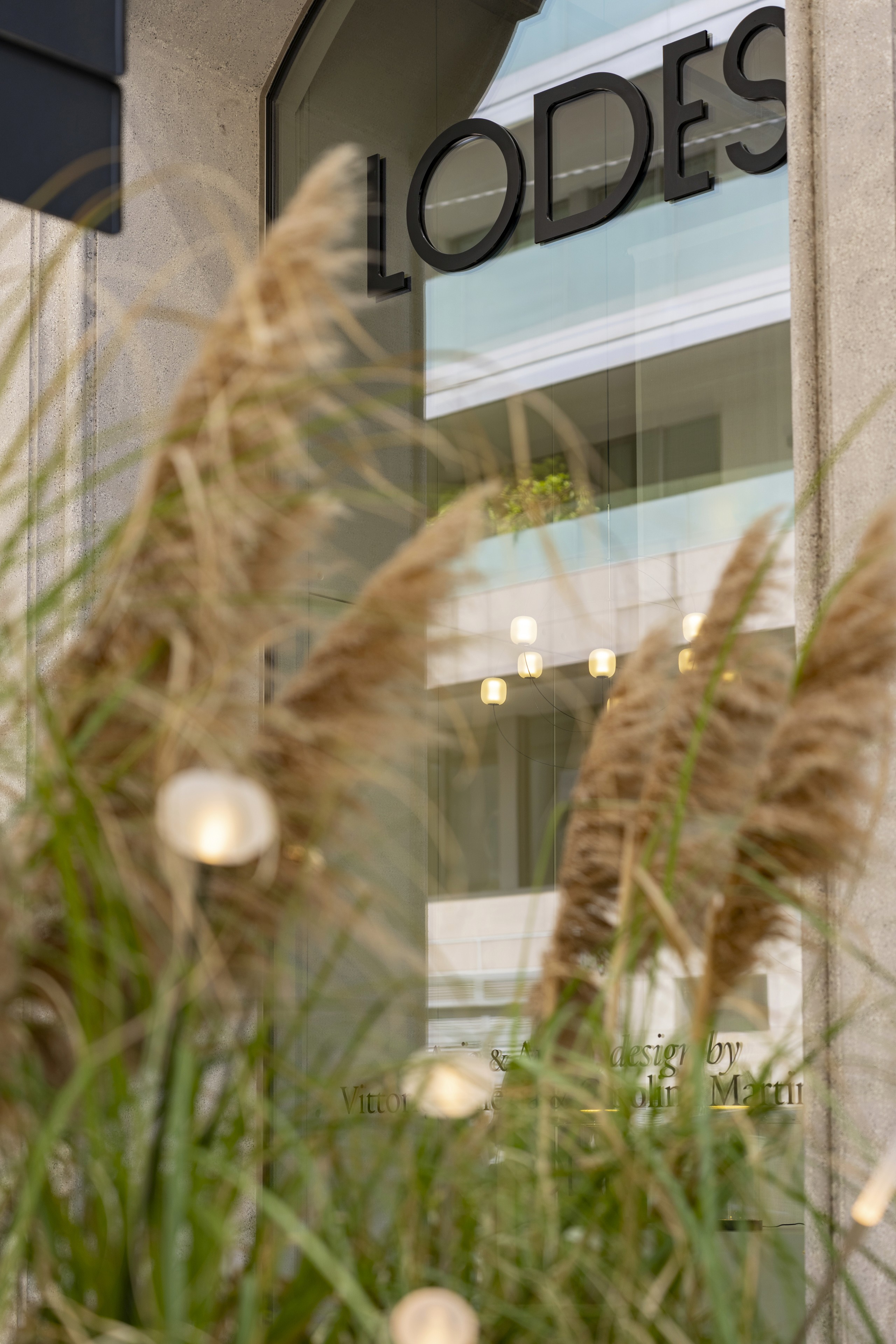
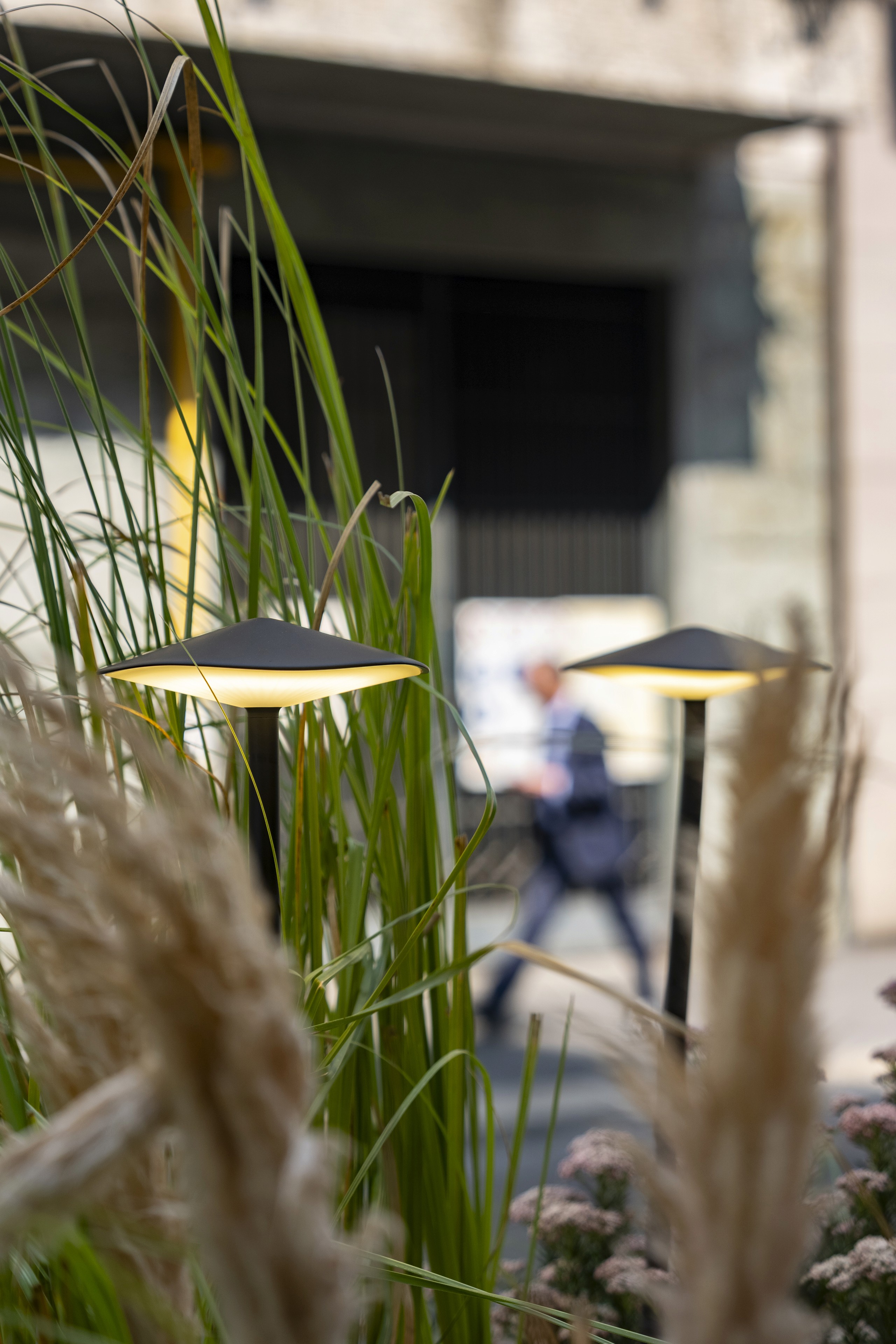
This expansion feels consistent with the central message of the Milan presentation. Light should be able to move across categories and boundaries: from object to system, from decoration to architecture and from the interior room to the open air.
Learning From Light

What Lodes presented in Milan was not simply a collection of lamps. It was a study of relationships.
Axia examined the relationship between heritage and abstraction. Aurea explored transparency and material presence. DoubleZero7 connected technical infrastructure with compositional freedom, while Non Random reconsidered how a familiar form can acquire a stronger identity through proportion and colour.
Together, the designs revealed a company moving confidently between its Venetian foundations and the demands of contemporary architecture.
Lodes’ approach is most compelling when technology becomes nearly invisible—when engineering does not announce itself, but allows light, material and space to feel more intuitive. This is where the brand’s heritage remains meaningful. The knowledge of glass, reflection and atmosphere is not preserved as a fixed tradition. It becomes a foundation from which new systems and experiences can emerge.
In Milan, Lodes reminded us that illumination is never entirely still. It follows movement, alters material and changes the way a space is remembered.
Light may begin with a source. But design begins with what happens around it.
© 2026 Brunch Magazine. All rights reserved. Unauthorized reproduction, distribution, publication, or use of any text or photographs is strictly prohibited and may result in legal action.
