Inside Italian Grandeur: Artemest Reimagines the Grand Tour in Milan
Sanghee Gil
There are spaces that display design, and there are spaces that allow us to feel where design comes from.

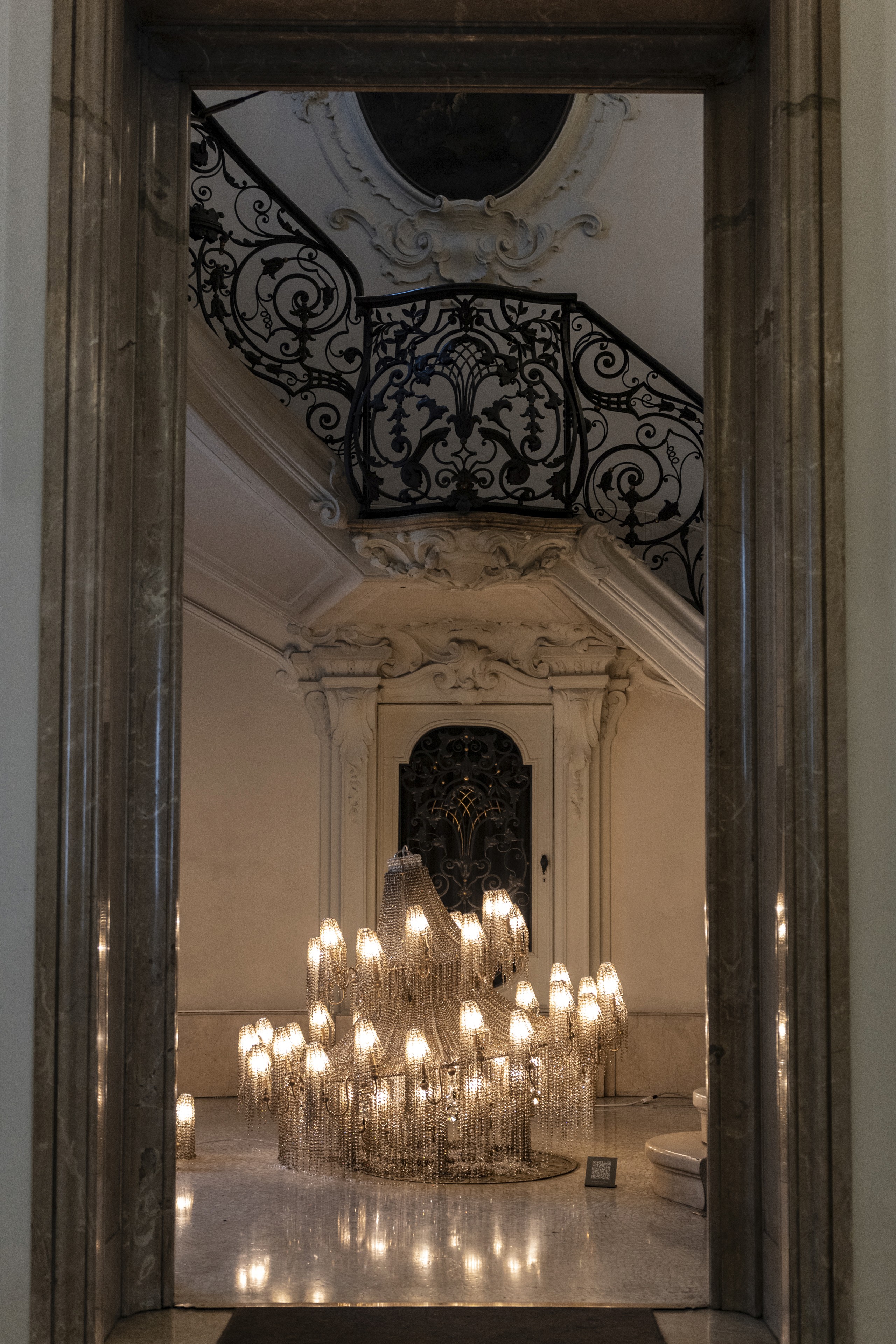
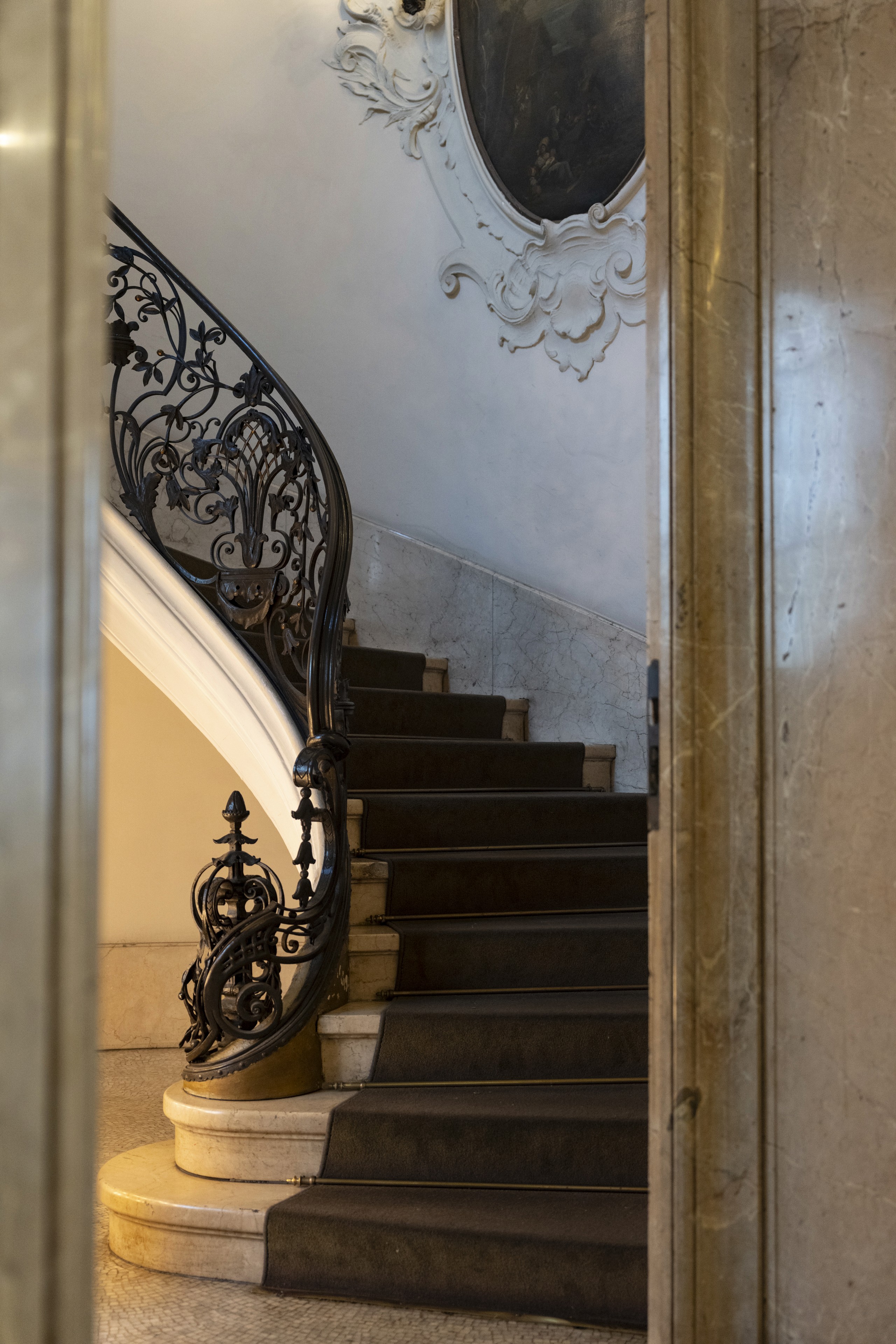
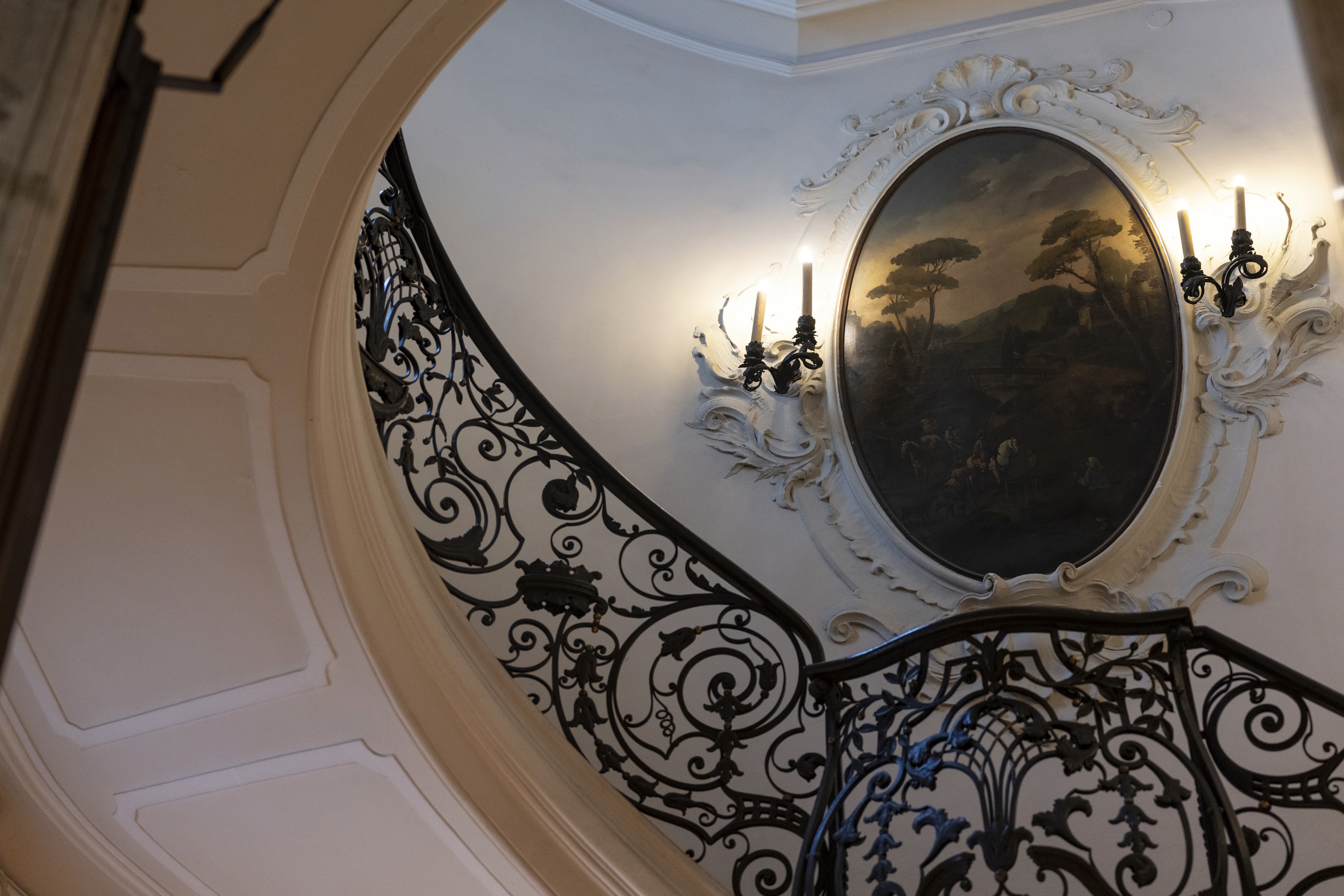
At Palazzo Donizetti, the experience began before any single object could claim attention. Frescoed ceilings, elaborate ornamentation, and the palazzo’s elliptical staircase created a rhythm of intimacy and theatre. Renaissance grace, Baroque opulence, and Liberty-style details appeared not as remnants of another age, but as part of a living architectural language. Within this setting, the distinction between exhibition and residence slowly disappeared.
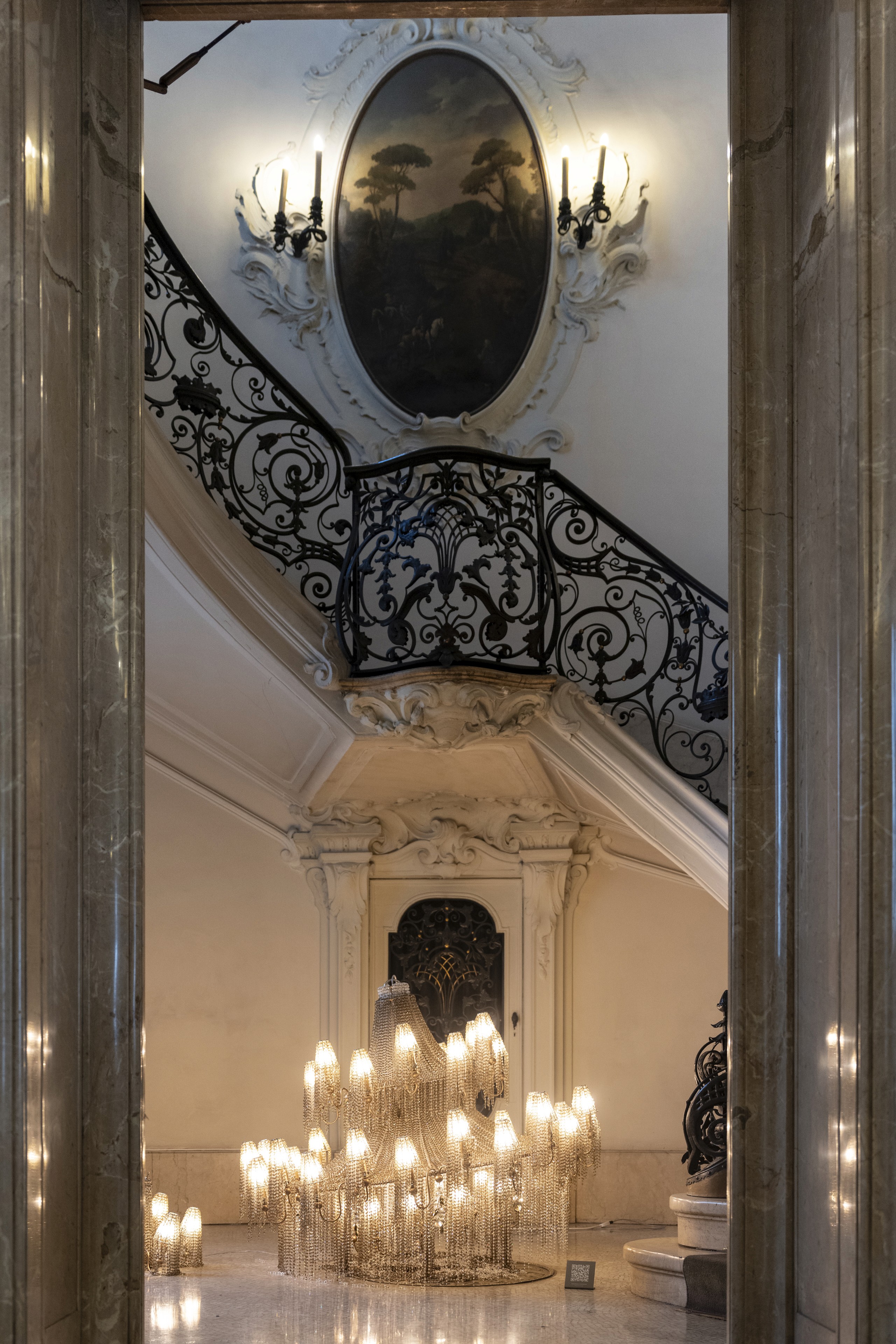
For Milan Design Week 2026, Artemest returned to the 19th-century palazzo for the fourth edition of L’Appartamento by Artemest. Titled Italian Grandeur, the exhibition paid tribute to Italy’s artistic heritage, architectural identity, and enduring tradition of craftsmanship. Yet its meaning extended beyond the celebration of beauty. It asked how cultural memory can continue to inhabit contemporary life and how a tradition survives without becoming fixed in the past.
A Palazzo Becomes a Journey
The exhibition drew inspiration from the spirit of the Grand Tour, the historic passage through Italy once undertaken in search of art, architecture, education, and a deeper understanding of European culture.
Artemest reimagined that journey through five Italian cities: Venice, Naples, Rome, Palermo, and Florence. Five international design studios were each invited to interpret one cultural capital through a distinct room of Palazzo Donizetti. Together, the spaces formed a journey not across a map, but through atmosphere, material, memory, and ways of living.

The rooms did not attempt to reproduce the cities literally. There were no simple replicas or predictable symbols. Instead, each studio searched for something less visible: the rhythm of a place, its relationship with history, the rituals that shape daily life, and the emotions that remain long after a journey has ended.
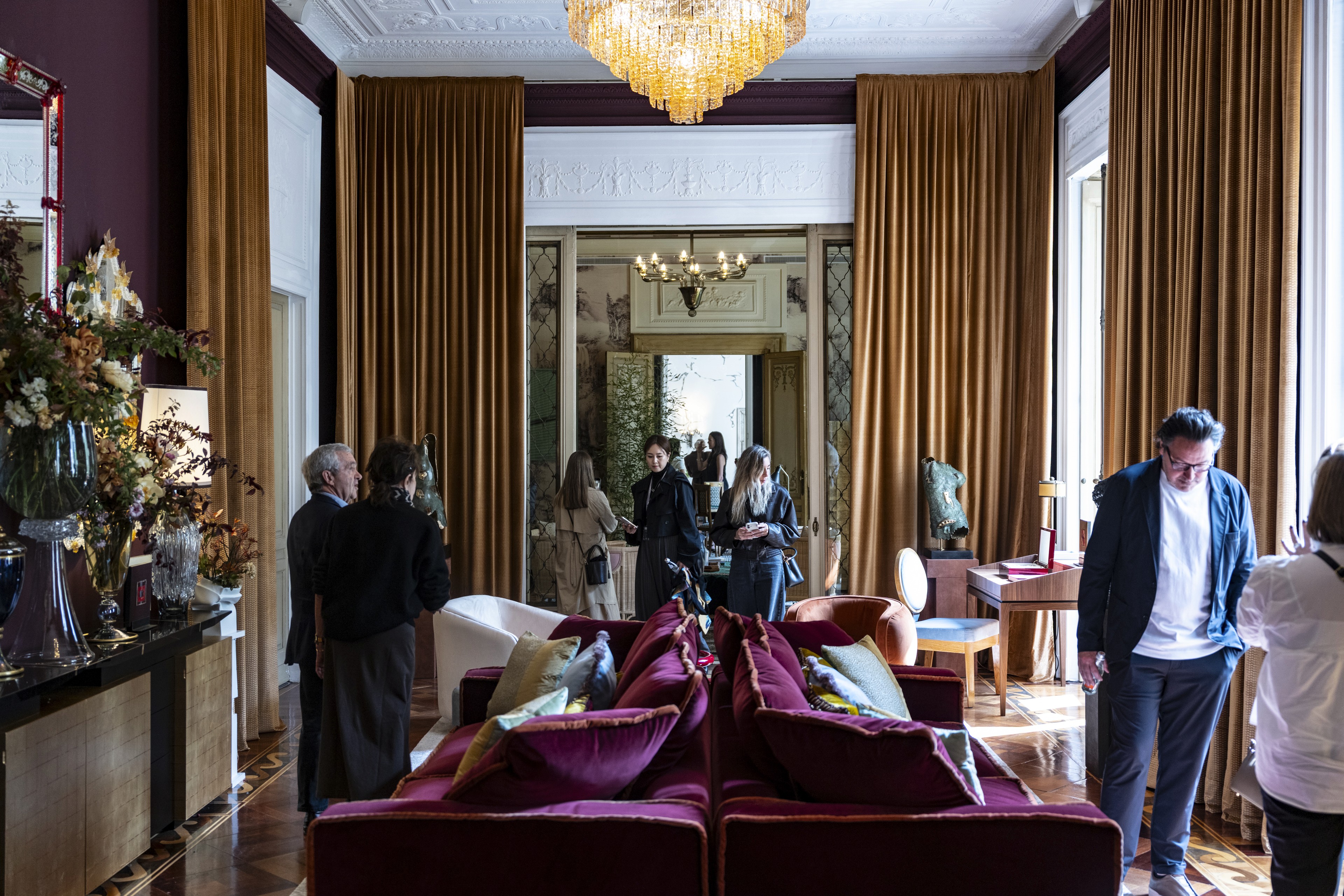
Sasha Adler Design transformed the entrance and reading room as a tribute to Venice. As the opening passage of the exhibition, the space carried the sense of arrival that defines the city itself—a place reached through thresholds, reflections, and gradual revelation.
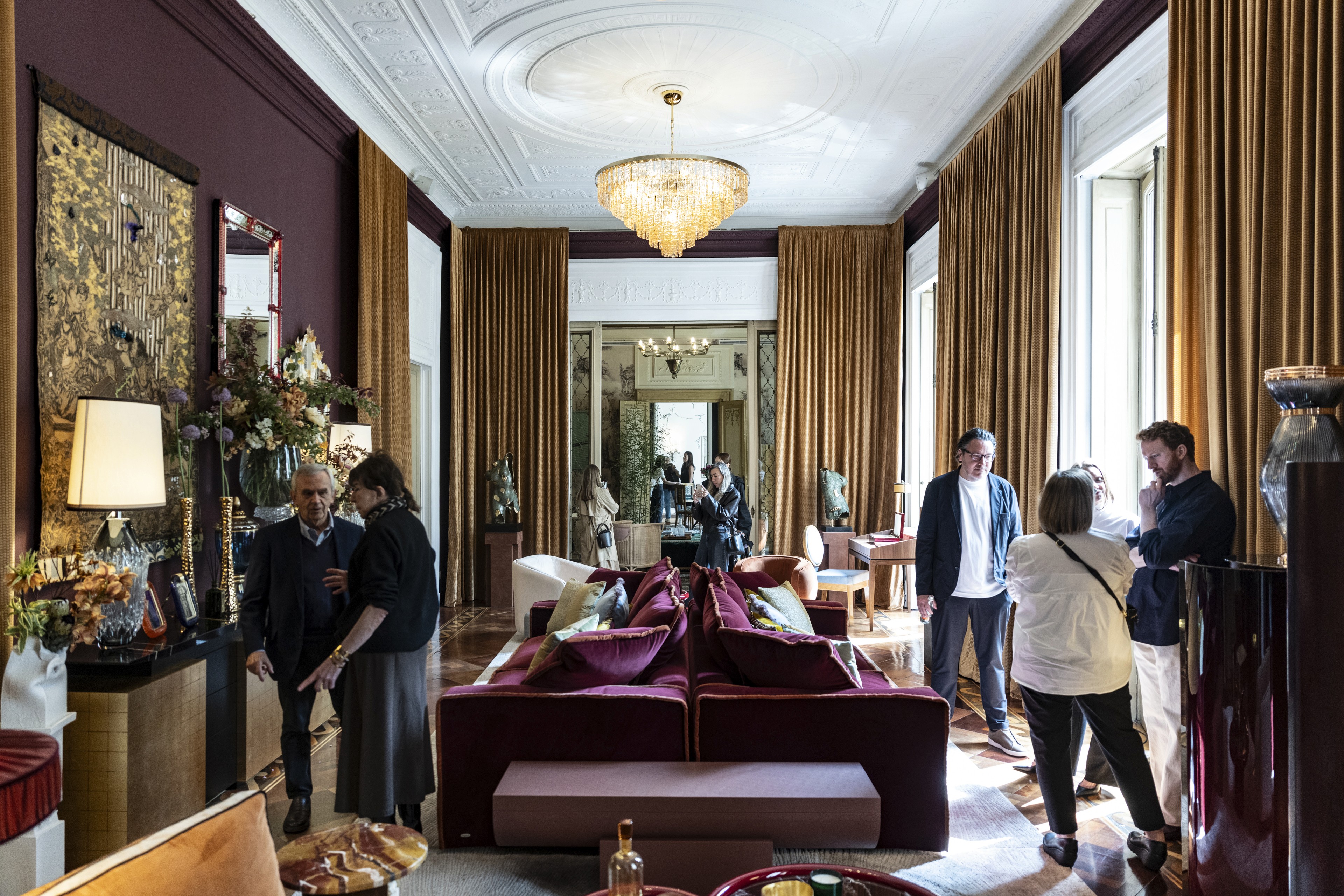
Rockwell Group brought the vibrant character of Naples into the dining room, approaching it as a space of gathering rather than formality. Here, the table became more than a piece of furniture. It became a point of connection, where design was understood through conversation, hospitality, and the shared experience of being together.
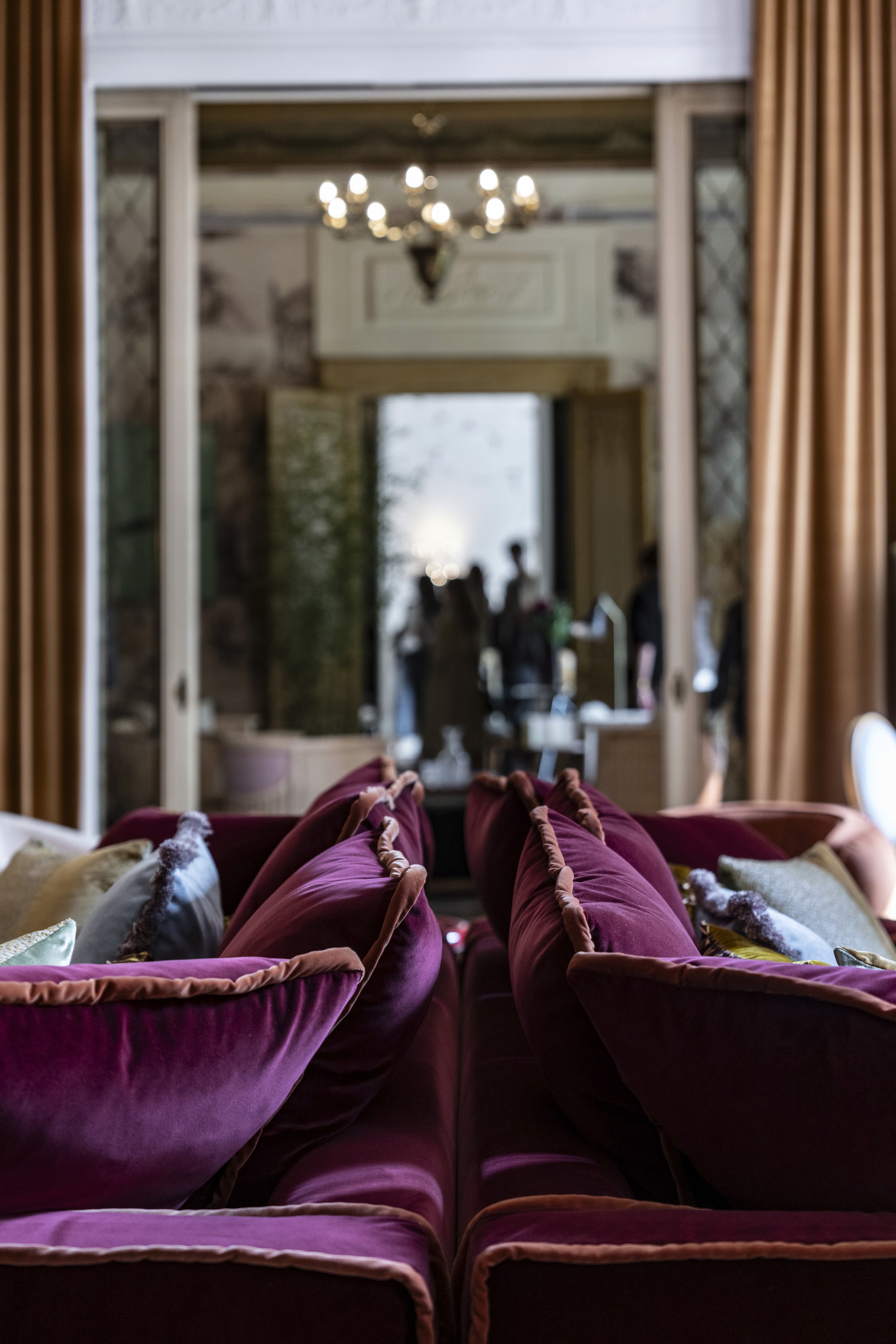
MAWD | March and White Design interpreted Rome through the living room. Within a city shaped by centuries of architecture, power, and public life, the room suggested that grandeur need not be expressed through scale alone. It may also be found in proportion, permanence, and the quiet authority of objects made to endure.

Charlap Hyman & Herrero drew from Palermo’s 19th-century aristocratic salons for the entertainment rooms. The spaces evoked interiors formed over generations—rooms in which art, furniture, performance, and conversation coexist. Palermo appeared through layers rather than a single image, reflecting a city where different histories continue to occupy the same ground.
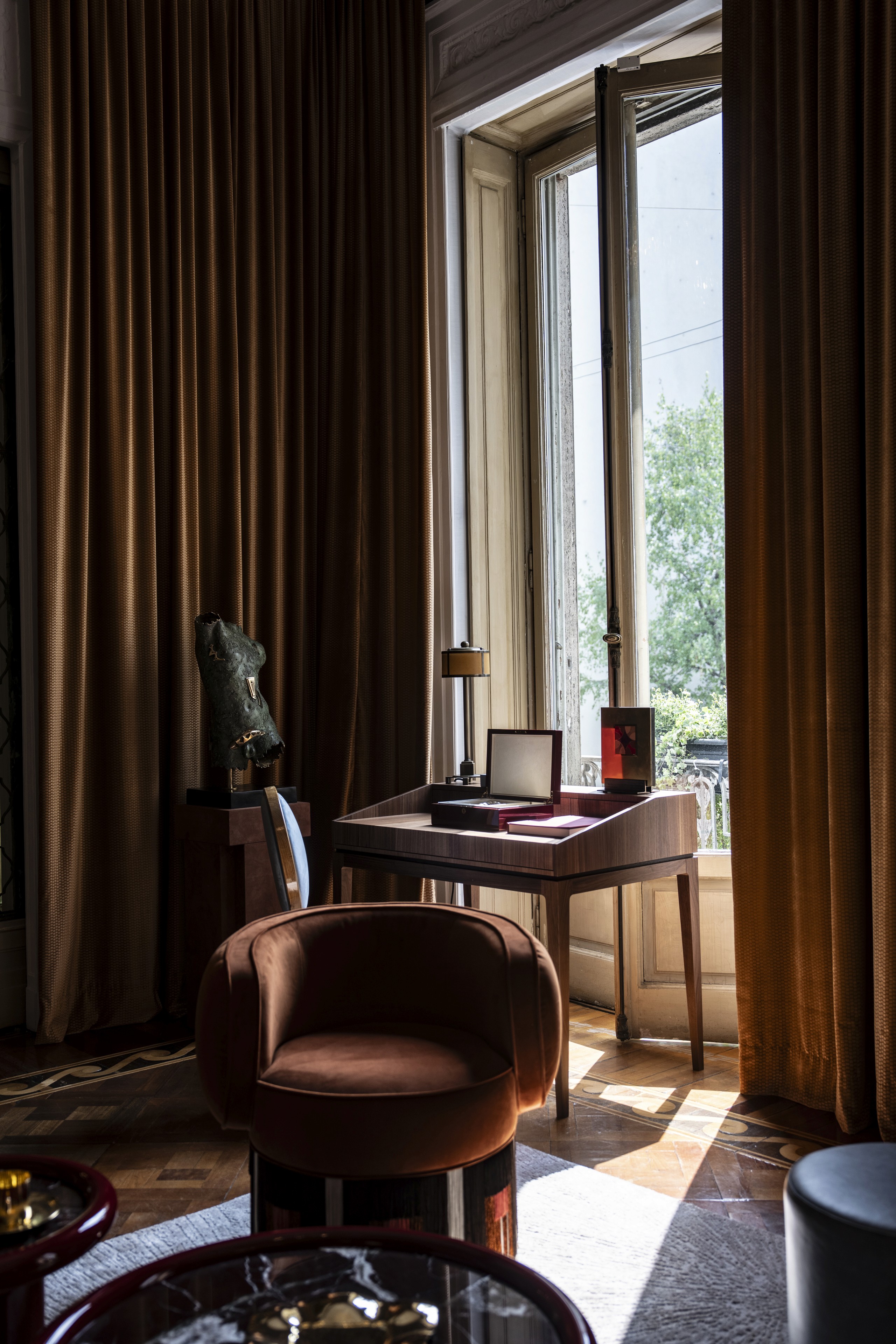
The journey concluded with a bedroom by Urjowan Alsharif Interiors, inspired by Florence and its legacy of harmony, proportion, and humanist culture. After the social energy of the preceding rooms, the bedroom introduced a quieter form of grandeur: one shaped by privacy, balance, and the emotional life of the person who inhabits the space.
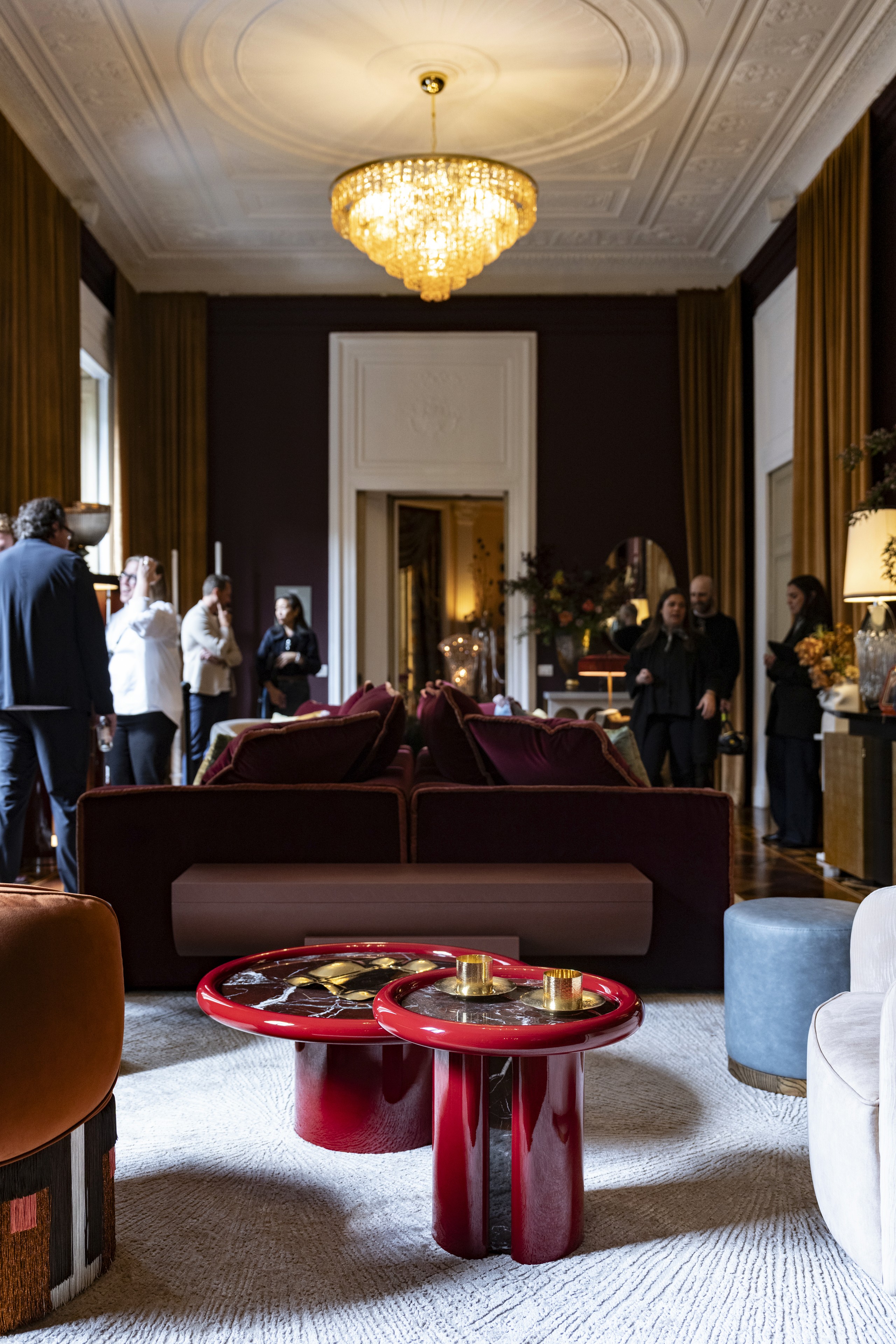
Each room spoke in its own voice, but together they revealed a shared idea. Italy cannot be reduced to one aesthetic. Its design identity is formed through regional histories, local materials, inherited techniques, and a continuing conversation between the hand of the maker and the imagination of the designer.
Beyond the Object

Founded in 2015 by CEO Marco Credendino and Creative Director Ippolita Rostagno, Artemest was created to bring the work of Italian artisans, artists, designers, and manufacturers to a wider international audience.

The platform now offers access to more than 50,000 handmade works by approximately 1,000 artisans and manufacturers across Italy. Its collection includes furniture, lighting, decorative objects, and art, presented through its online platform, New York gallery, bespoke services, and interior projects.

But inside Palazzo Donizetti, Artemest became more than a platform.
Online, an object is often encountered alone. We study its form, dimensions, material, and provenance. Inside L’Appartamento, that same object entered into a relationship—with architecture, with light, with another object, and ultimately with the person moving through the room.
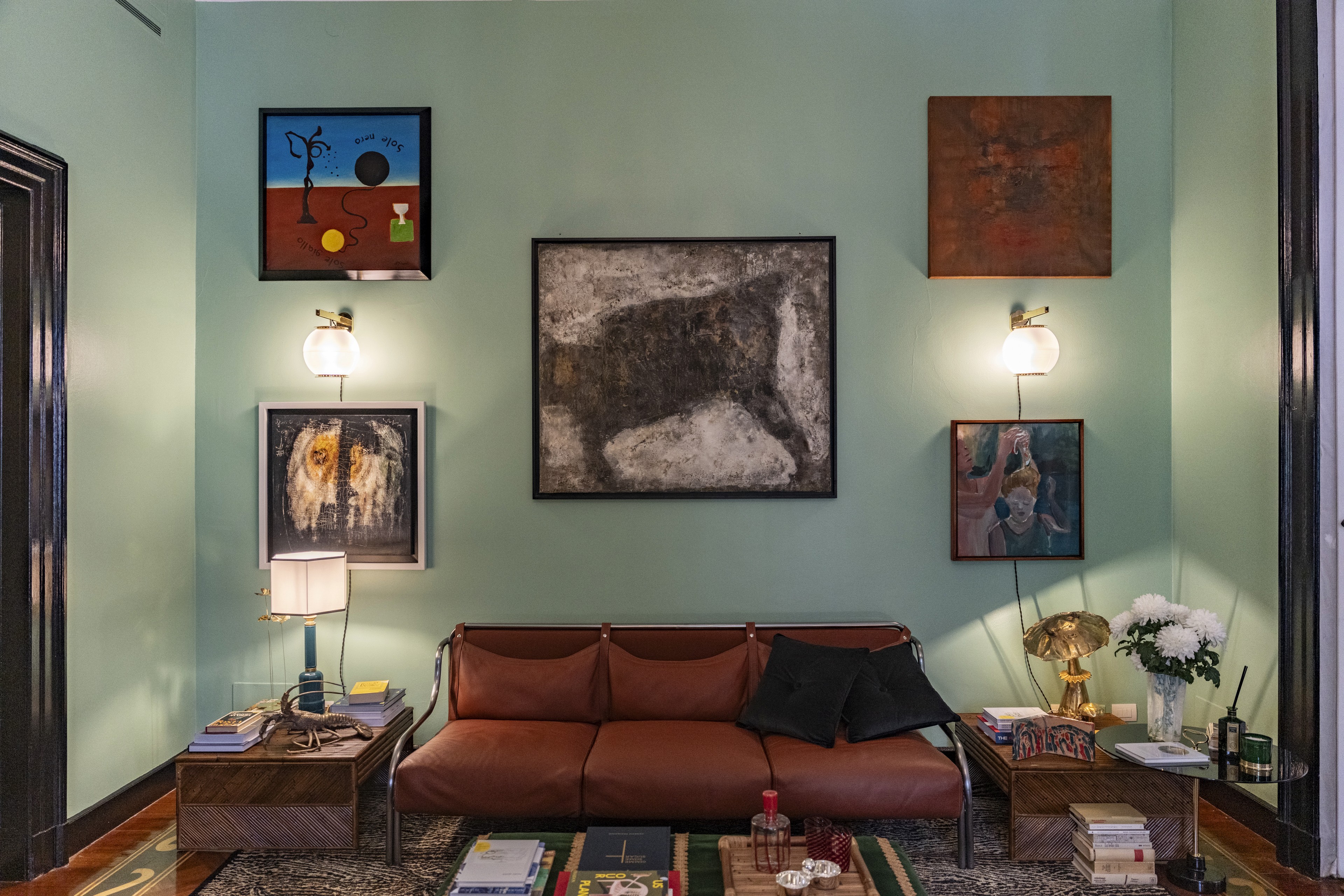
A chair was no longer simply a chair. It proposed a way of sitting, pausing, or facing another person. A table suggested the possibility of gathering. A lamp altered not only what could be seen, but how the room could be felt.
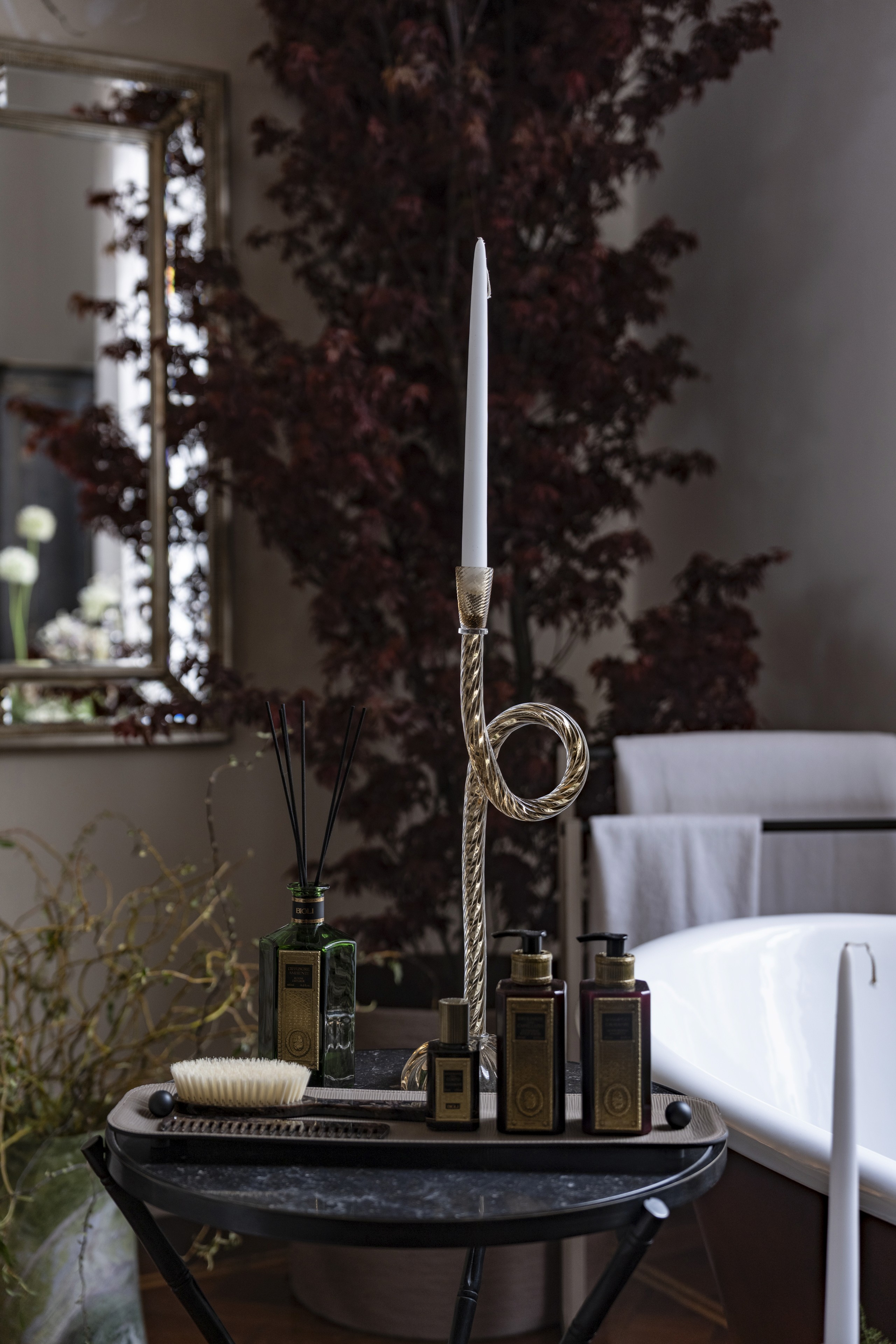
The exhibition demonstrated that the meaning of craftsmanship does not end when an object is completed. It continues in the way that object participates in life.
The Time Held Within the Hand
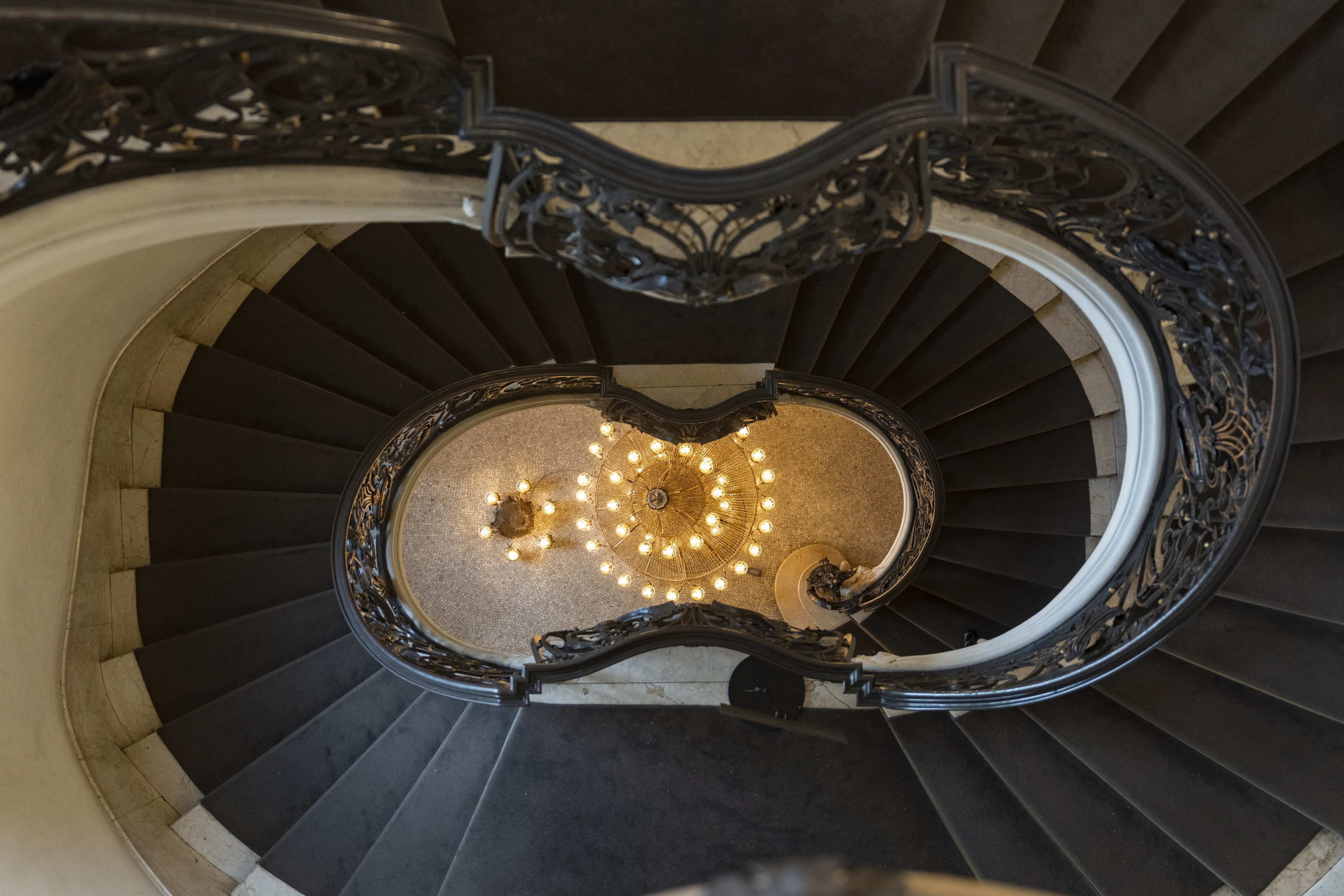
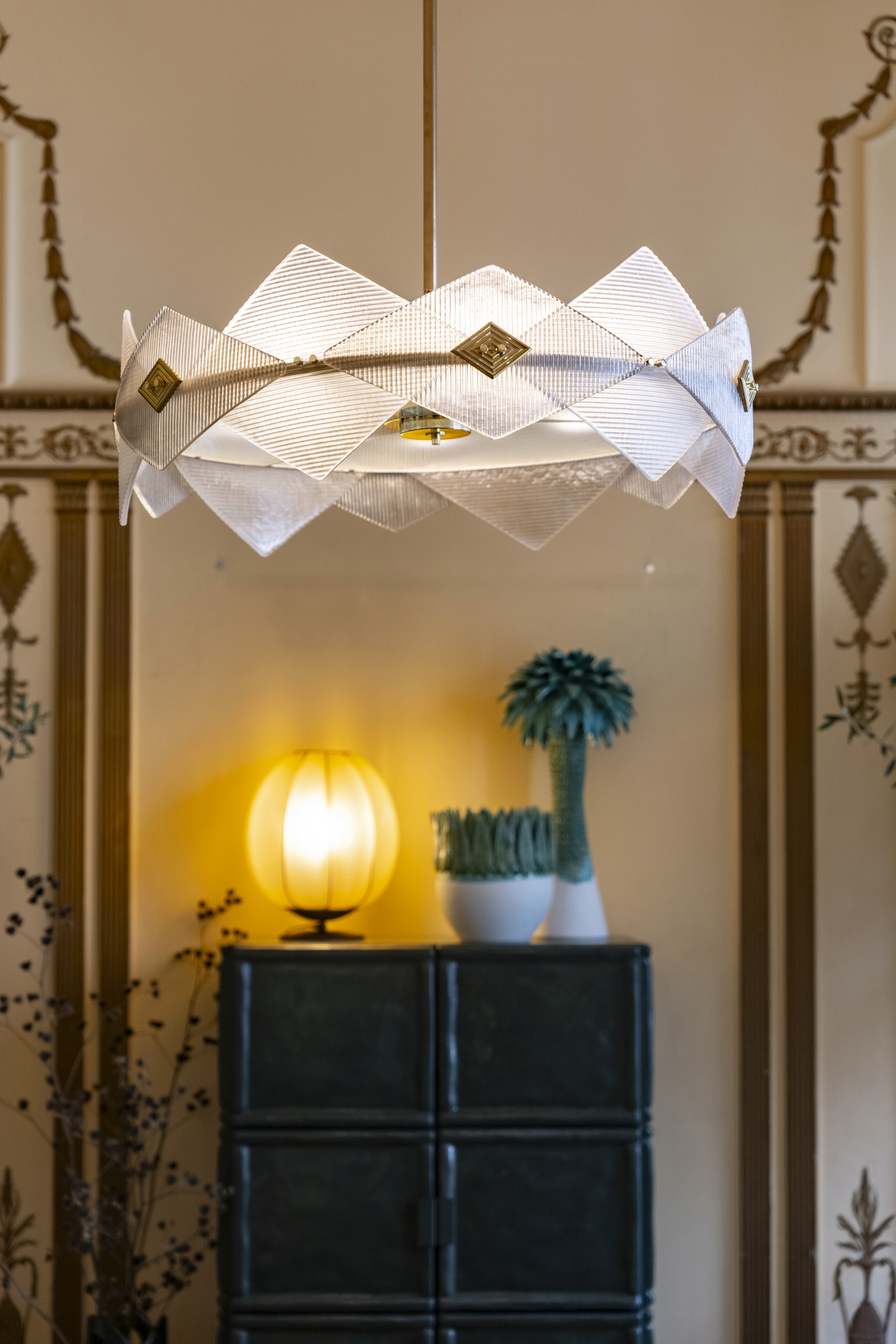
Throughout the palazzo, furniture, lighting, décor, and art from Artemest’s network of Italian makers were placed in dialogue with the historic architecture. Rather than competing with the building’s ornate character, the contemporary pieces appeared to extend its story.
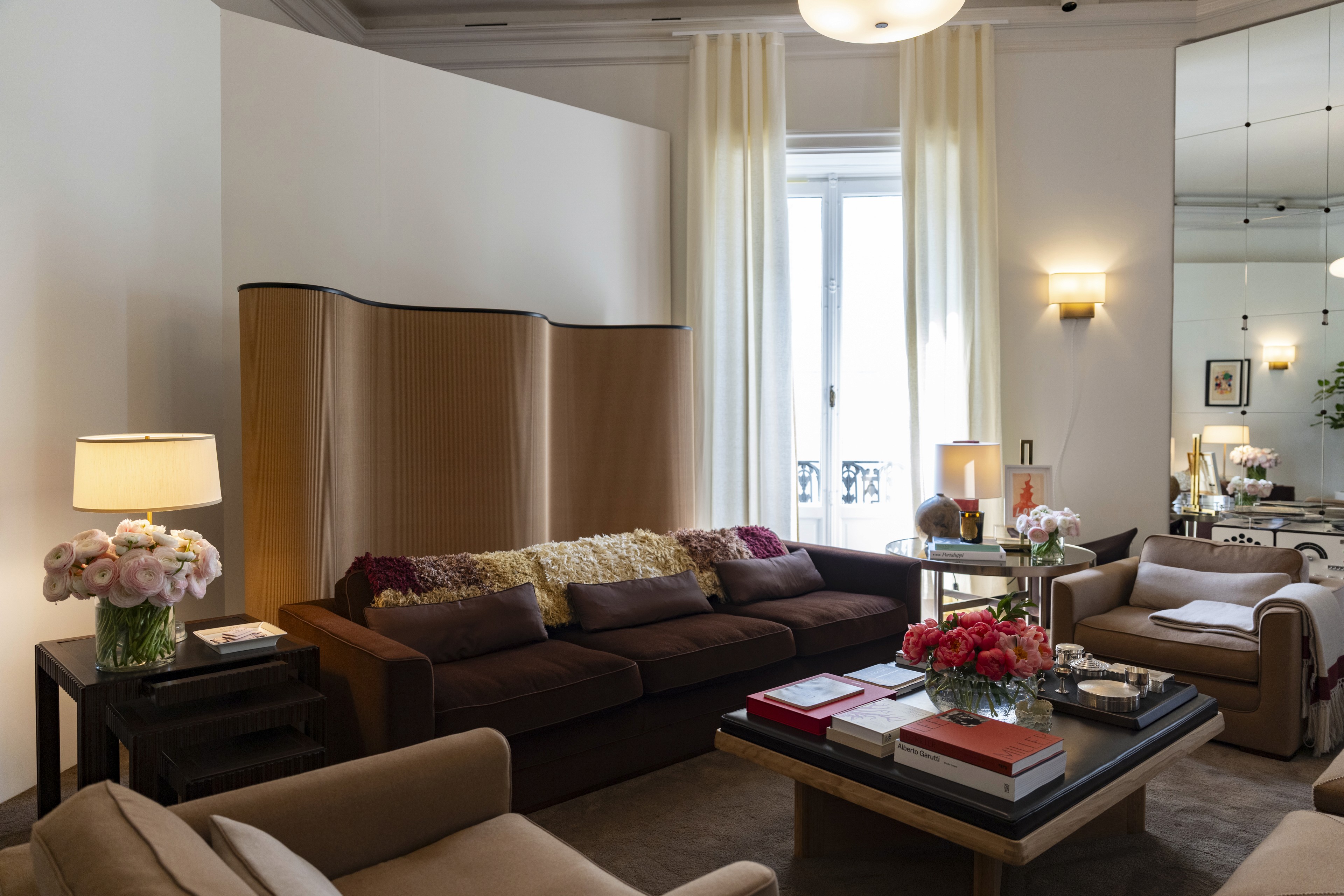
Glass, ceramic, wood, marble, metal, textile, and other materials carried the knowledge of particular regions and workshops. Behind every polished surface was a process that could not be hurried: shaping, carving, firing, casting, weaving, finishing, and beginning again when the result was not yet right.
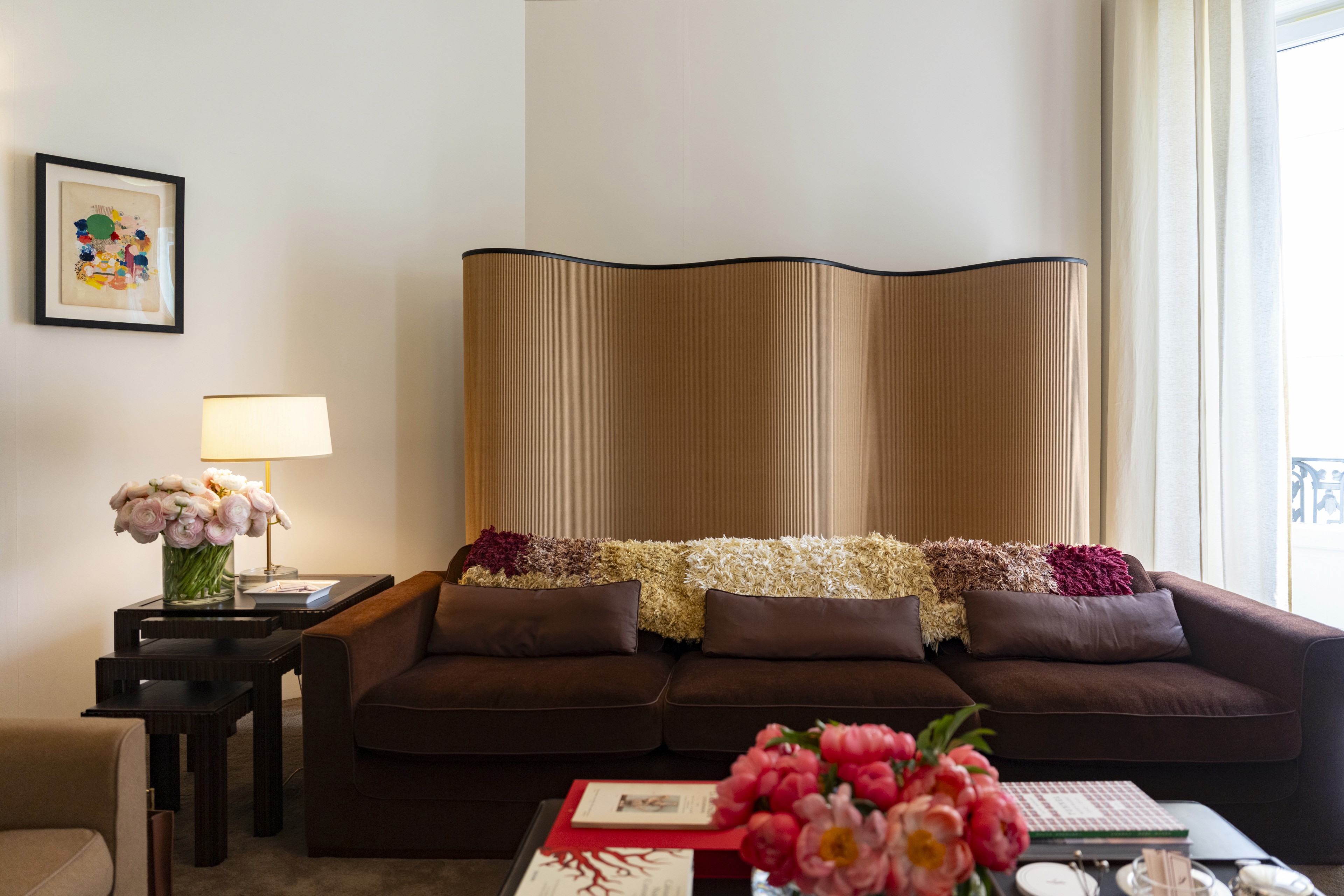
This is where the exhibition’s true sense of grandeur could be found.
Not simply in decorative richness, but in time.
The time required to understand a material. The years needed to refine a technique. The knowledge transferred from one generation to the next. The patience to create something whose value cannot be separated from the way it was made.
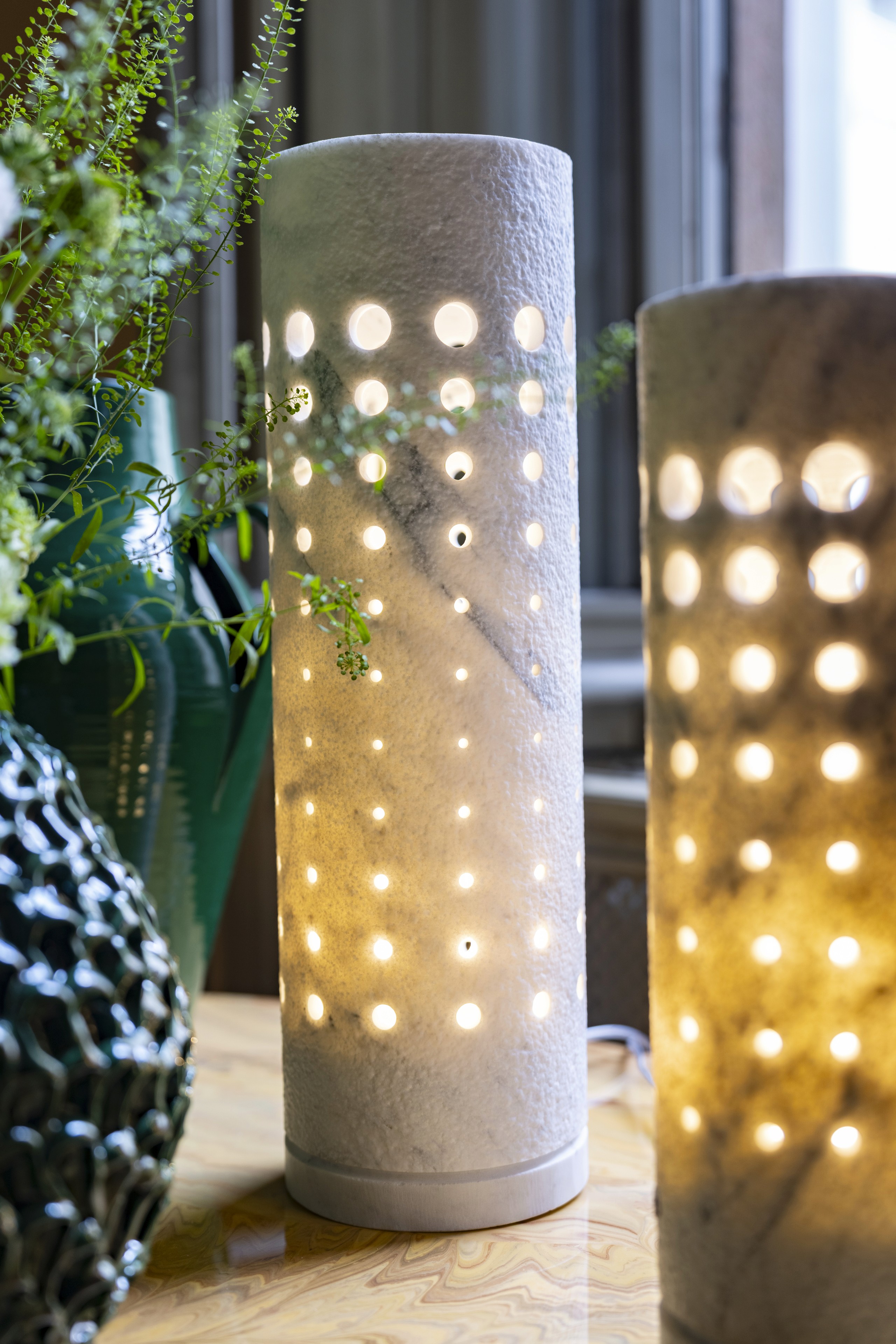
At a moment when images and objects are produced and consumed with extraordinary speed, L’Appartamento by Artemest offered another measure of progress. It suggested that moving forward does not always require leaving tradition behind. Sometimes, progress begins by recognizing which forms of knowledge deserve to continue.
An Interior Without Walls
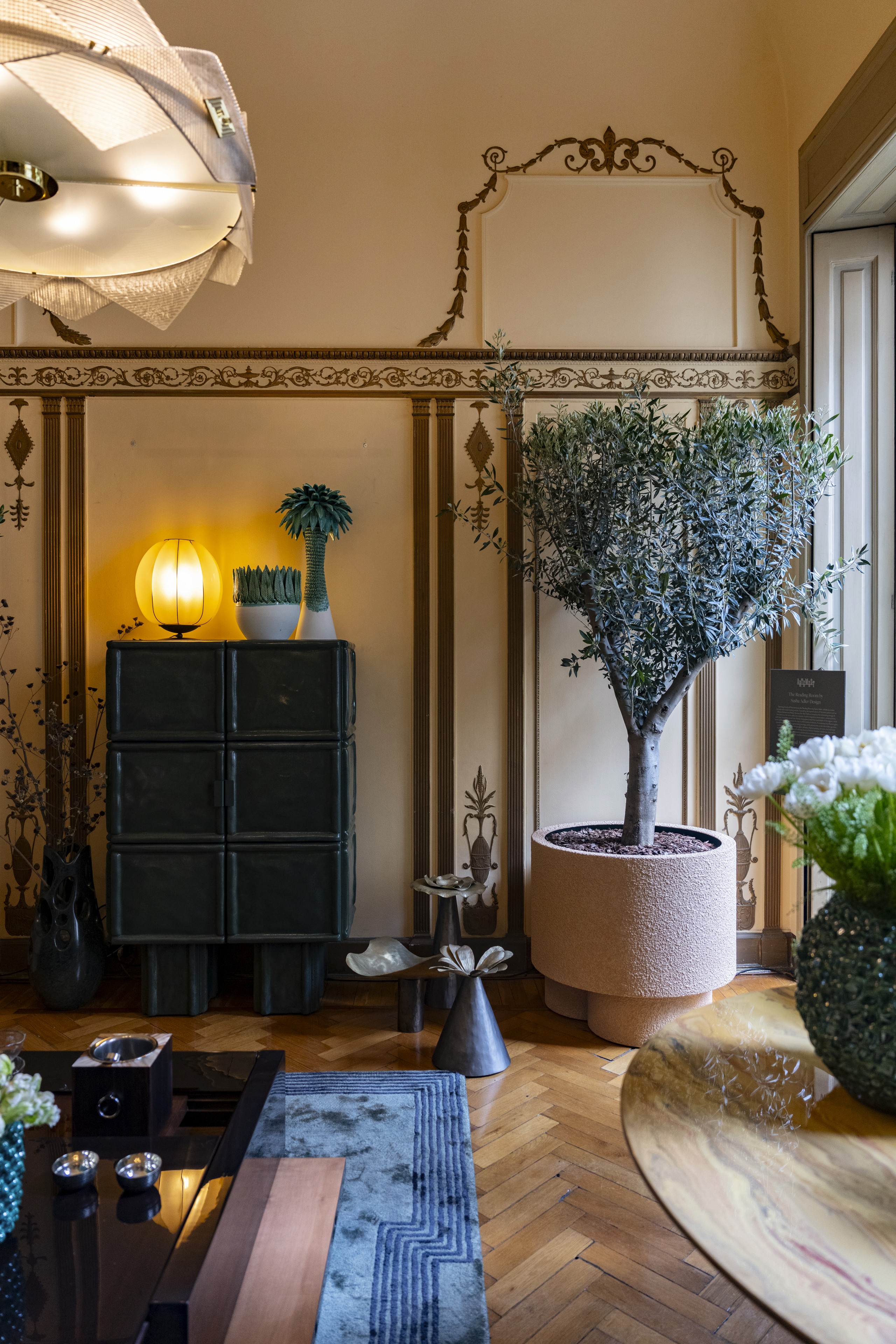
For the first time, the 2026 edition extended beyond the interior rooms of Palazzo Donizetti into its courtyard. Furnished and curated as part of the exhibition, the outdoor space added another chapter to the journey and allowed the experience to unfold between architecture and open air.
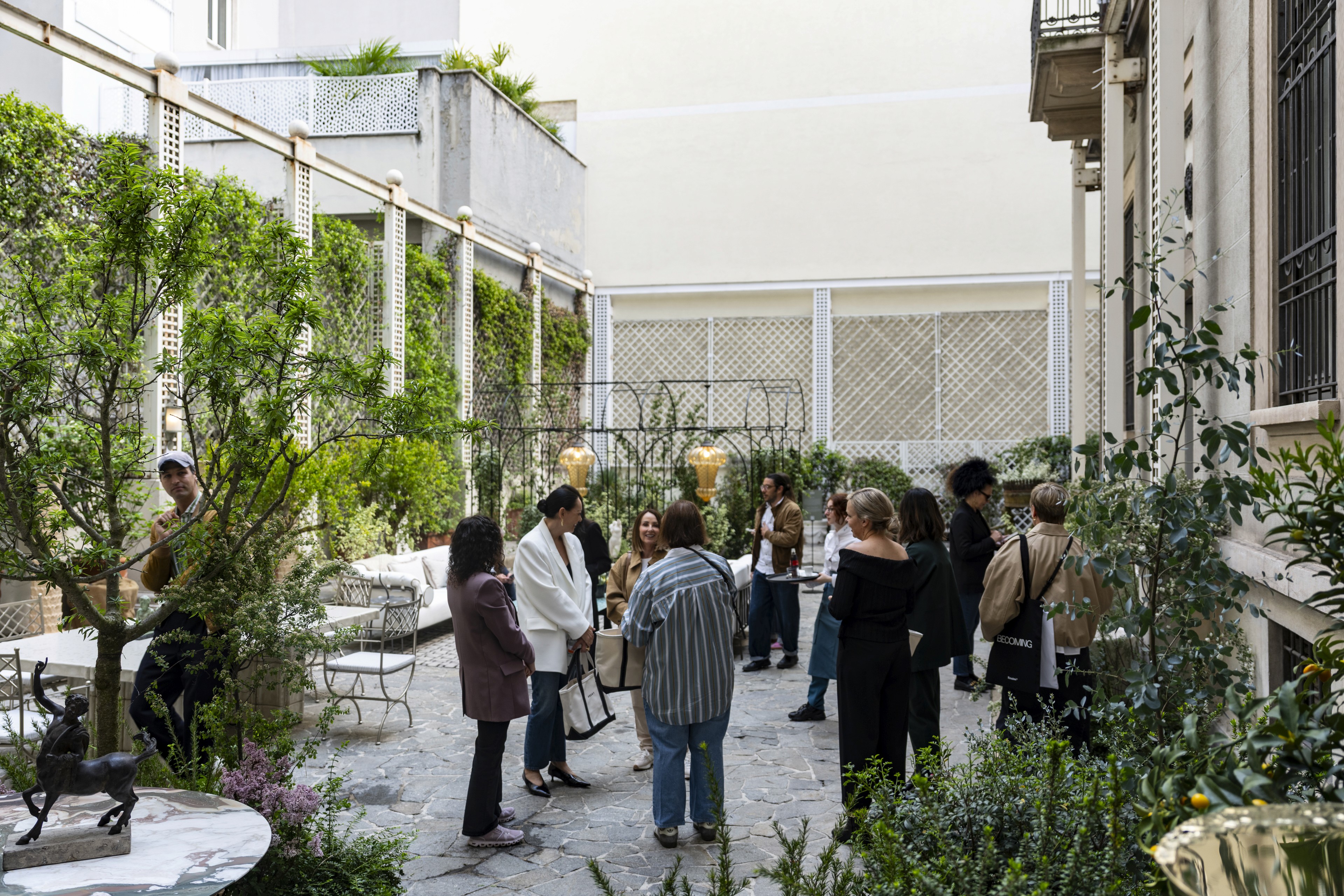

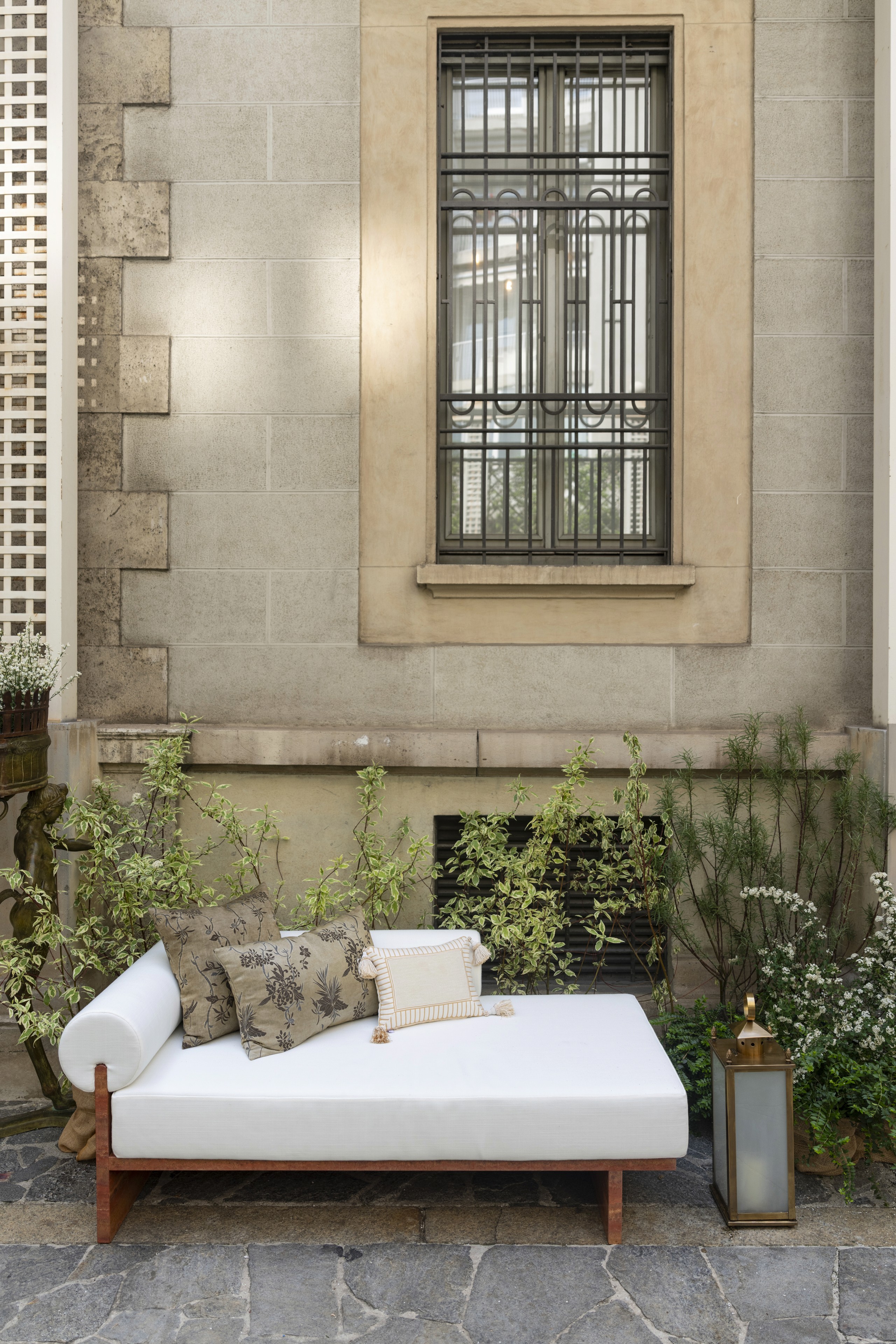
The transition was subtle but meaningful.
After moving through rooms inspired by five cities, visitors entered a space that belonged less clearly to one place. The courtyard became a pause between destinations—a reminder that a journey is shaped not only by the places we reach, but also by the thresholds through which we pass.

It also expanded Artemest’s vision of the home. A home is not a collection of isolated rooms, just as culture is not a collection of isolated objects. Both are formed through relationships: between interior and exterior, history and invention, function and emotion, solitude and community.
What Remains After the Rooms
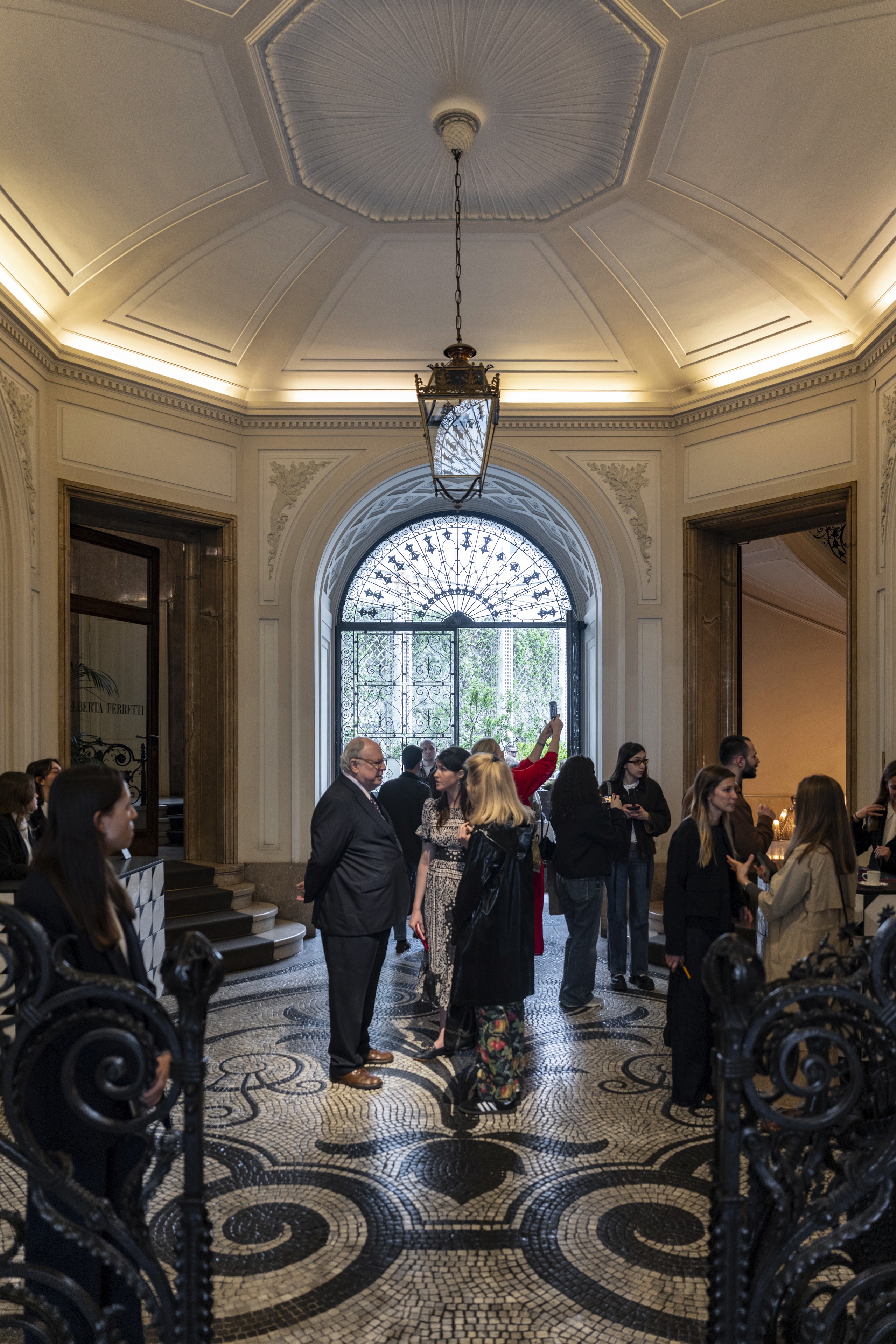
Milan Design Week presents thousands of new objects, installations, and visual experiences within the span of a few days. In that intensity, it is easy for design to become an image consumed in an instant.
L’Appartamento by Artemest asked for a different kind of attention.
Its strength did not rest on one dramatic centerpiece. It emerged gradually through the conversations established across the palazzo: between old walls and new forms, Italian artisans and international designers, regional identity and global perspective.
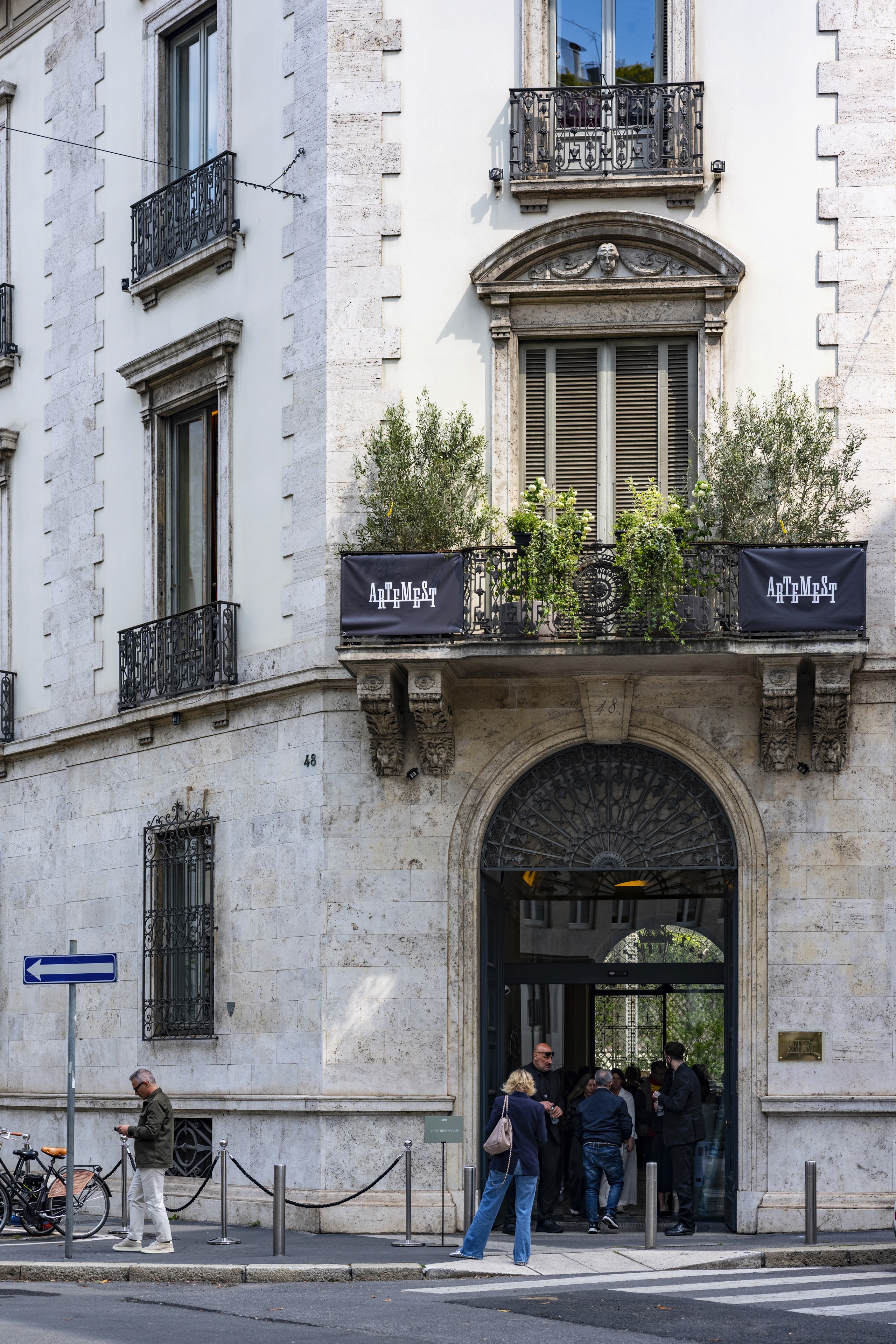
The exhibition did not present craftsmanship as something preserved behind glass. It placed it in rooms where people might read, dine, gather, rest, and remember. In doing so, it allowed tradition to remain active rather than nostalgic.
Perhaps this is Artemest’s most meaningful role.
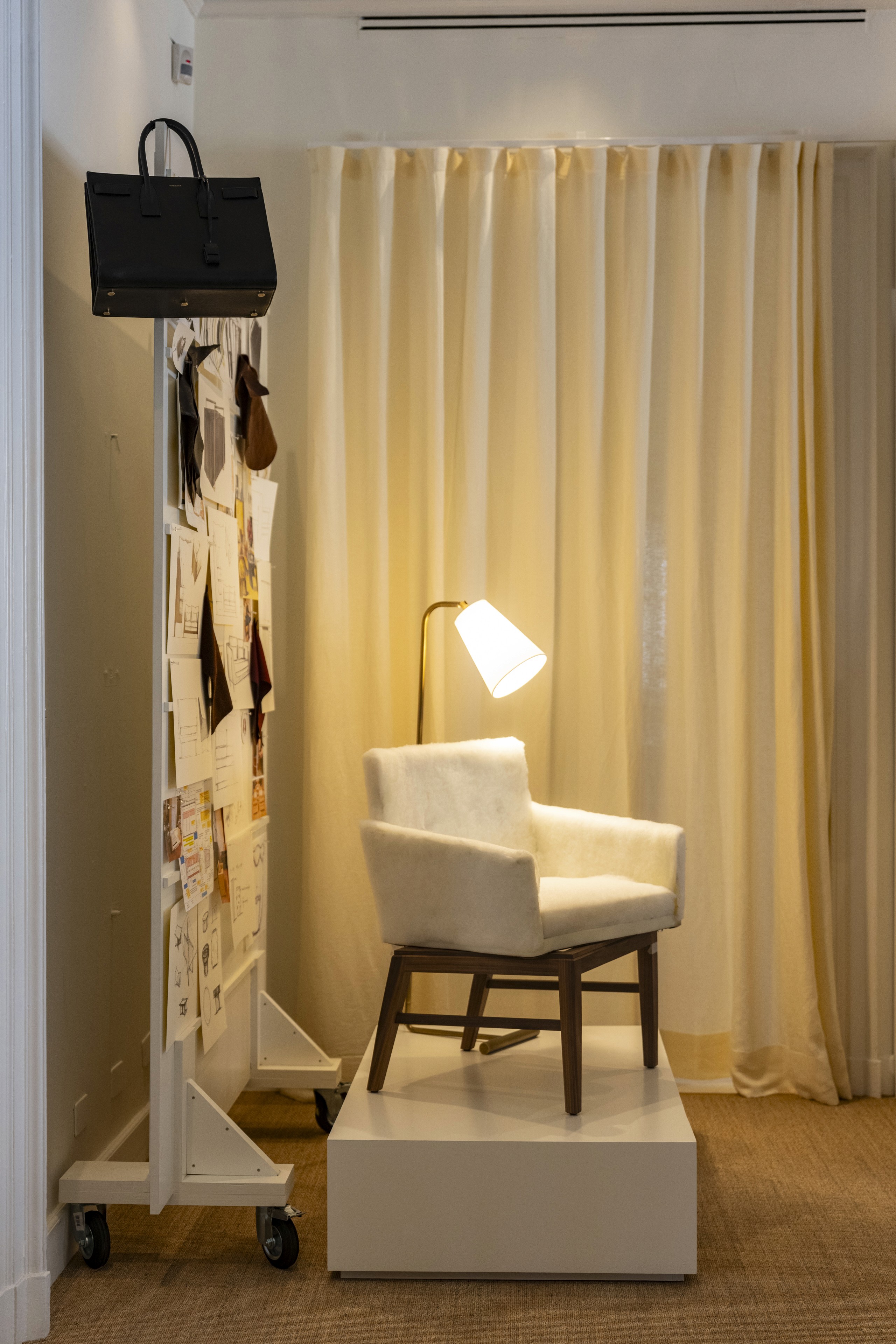
It does not merely bring Italian objects to an international market. It creates new settings in which the knowledge behind those objects can be encountered, valued, and carried forward. It connects the local hand of the maker with a world that may be far from the workshop, yet still capable of recognizing the human time contained within the work.
Luxury is often defined by rarity, exclusivity, or price. Inside Palazzo Donizetti, it was understood differently.
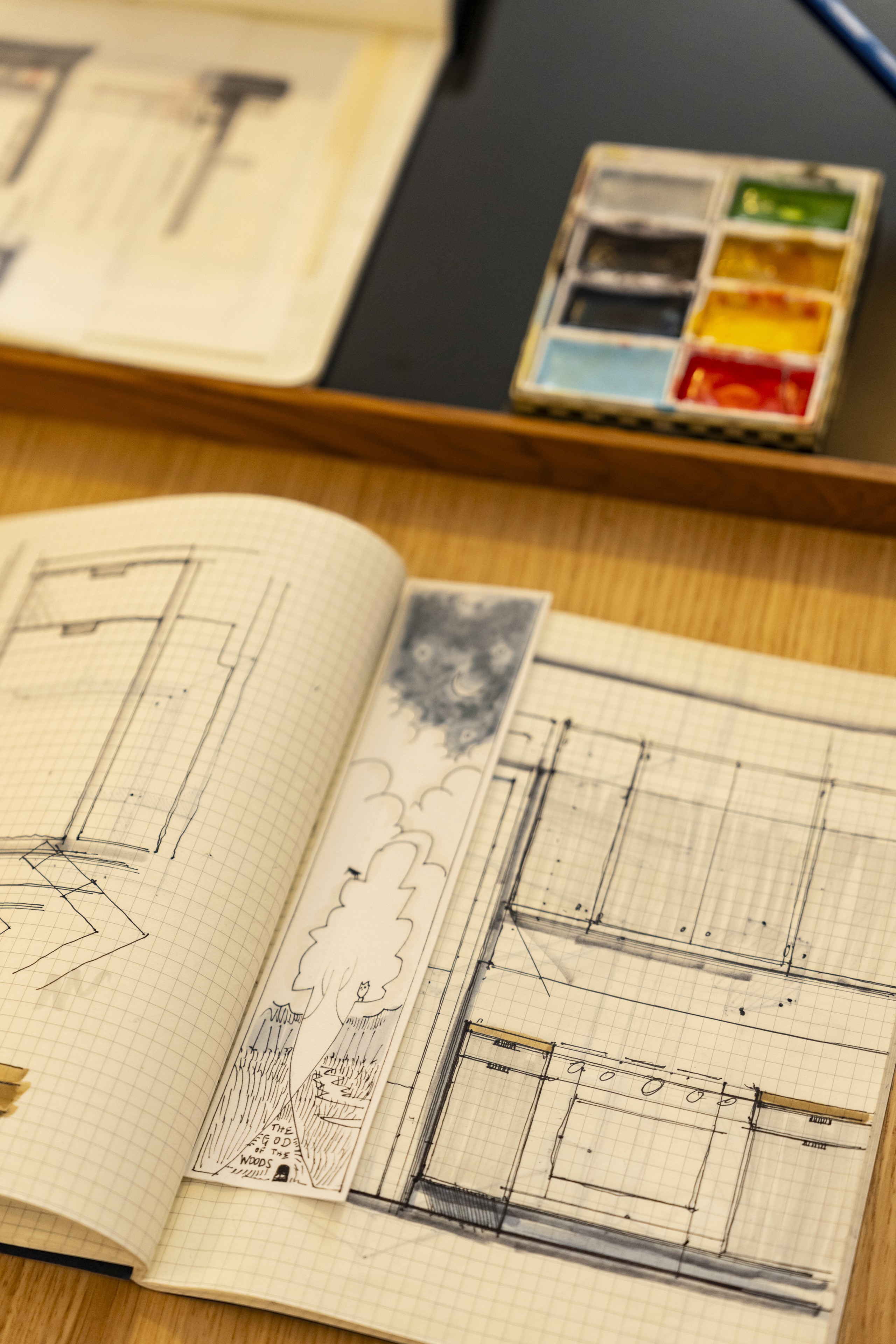
It was the freedom to make something slowly.
The discipline to make it well.
And the ability of a beautifully made object to hold the memory of where it came from while continuing to belong to the present.
In the midst of Milan’s constant movement, Artemest created rooms that invited visitors to slow down.
And perhaps the rooms we remember most are not those that showed us the greatest number of beautiful things, but those that changed the way we understood their value.
© 2026 Brunch Magazine. All rights reserved. Unauthorized reproduction, distribution, publication, or use of any text or photographs is strictly prohibited and may result in legal action.
