Dabin Ahn and the Quiet Architecture of Memory
Sanghee Gil
At Frieze New York 2026, Dabin Ahn’s work did not seek to command attention through scale or spectacle. It stopped people in a quieter way.
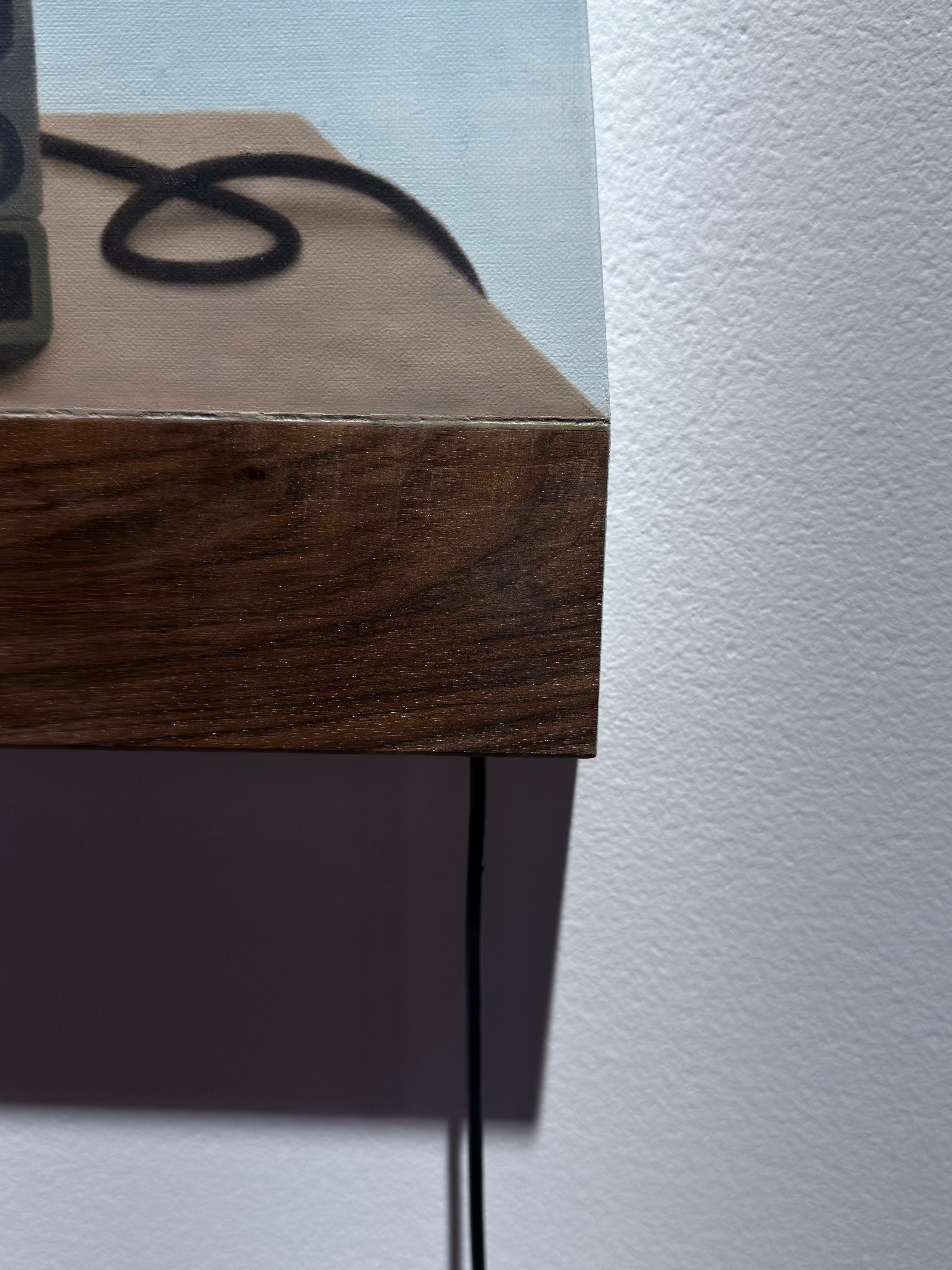
At first, each work appeared like a carefully composed and self contained scene. Yet, as the viewer moved closer, the spatial structure began to unfold. Perspective shifted. Reflections, shadows, and small sources of light became connected, drawing the eye slowly into and around the work.
Leaves appeared to tremble inside a reflective surface. A moon moved across a small screen. These were subtle and almost ordinary movements, yet their slowness made them feel closer to lived time than to a conventional moving image.
The work did not ask for an immediate response. Instead, it altered the rhythm through which it was seen.
In an era defined by images that are produced and consumed at increasing speed, Ahn constructs an experience that encourages the viewer to remain. His art is not simply something to look at. It is a carefully designed passage for attention and emotion.
A Practice Between Image and Object
Born in Seoul in 1988 and based in Chicago, Ahn received both his BFA and MFA from the School of the Art Institute of Chicago. His practice moves between painting and sculpture, frequently incorporating hand built wooden frames, carved openings, mother of pearl, resin, ceramic fragments, brass, and moving images.
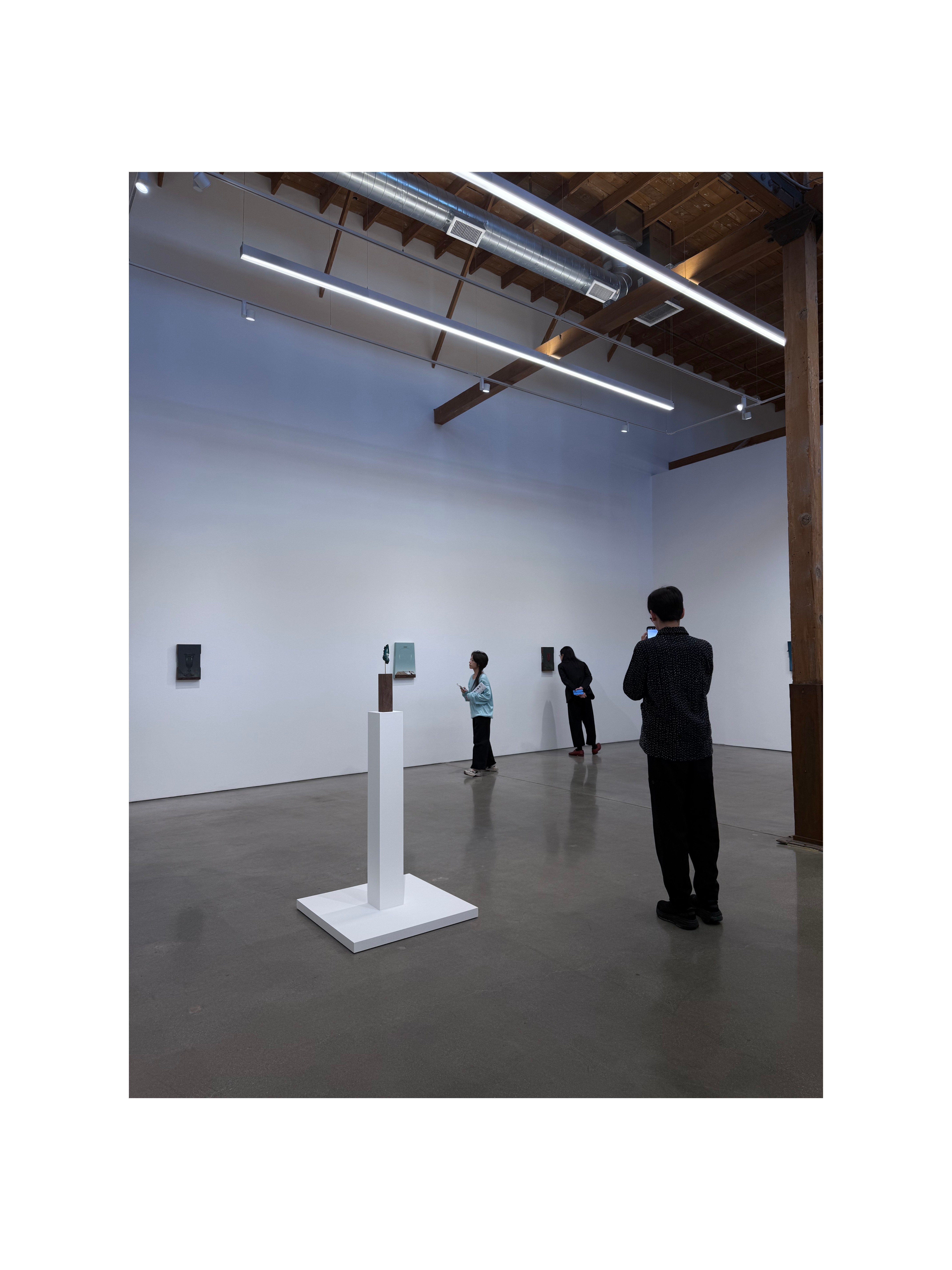
The frames are not secondary containers placed around finished paintings. They are part of the work’s architecture.
Sections of wood open to reveal another image. Painted surfaces continue around their edges. A ceramic fragment may appear to exist simultaneously as a physical object and as an illusion rendered in oil. The traditional separation between painting, sculpture, and installation gradually dissolves.
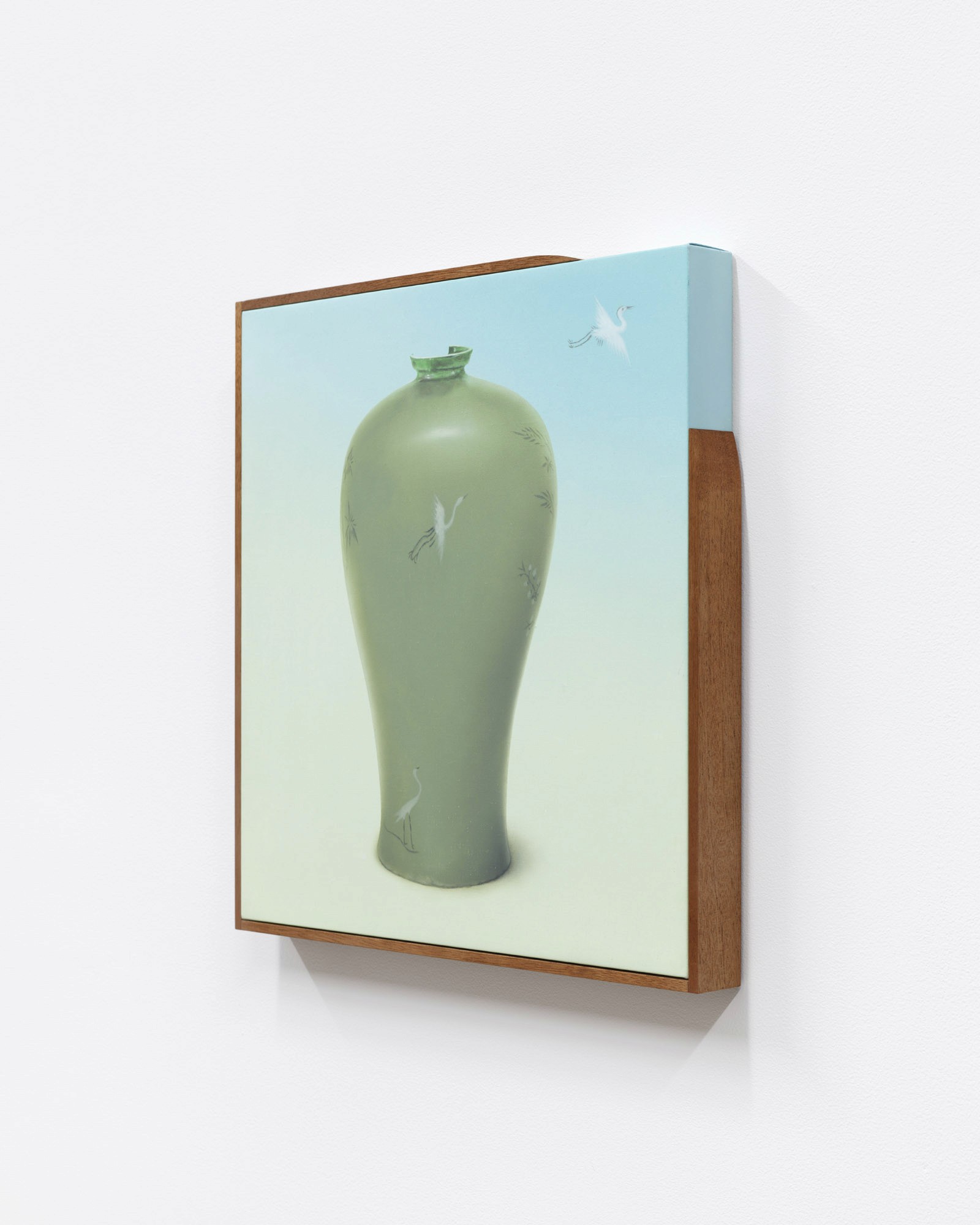
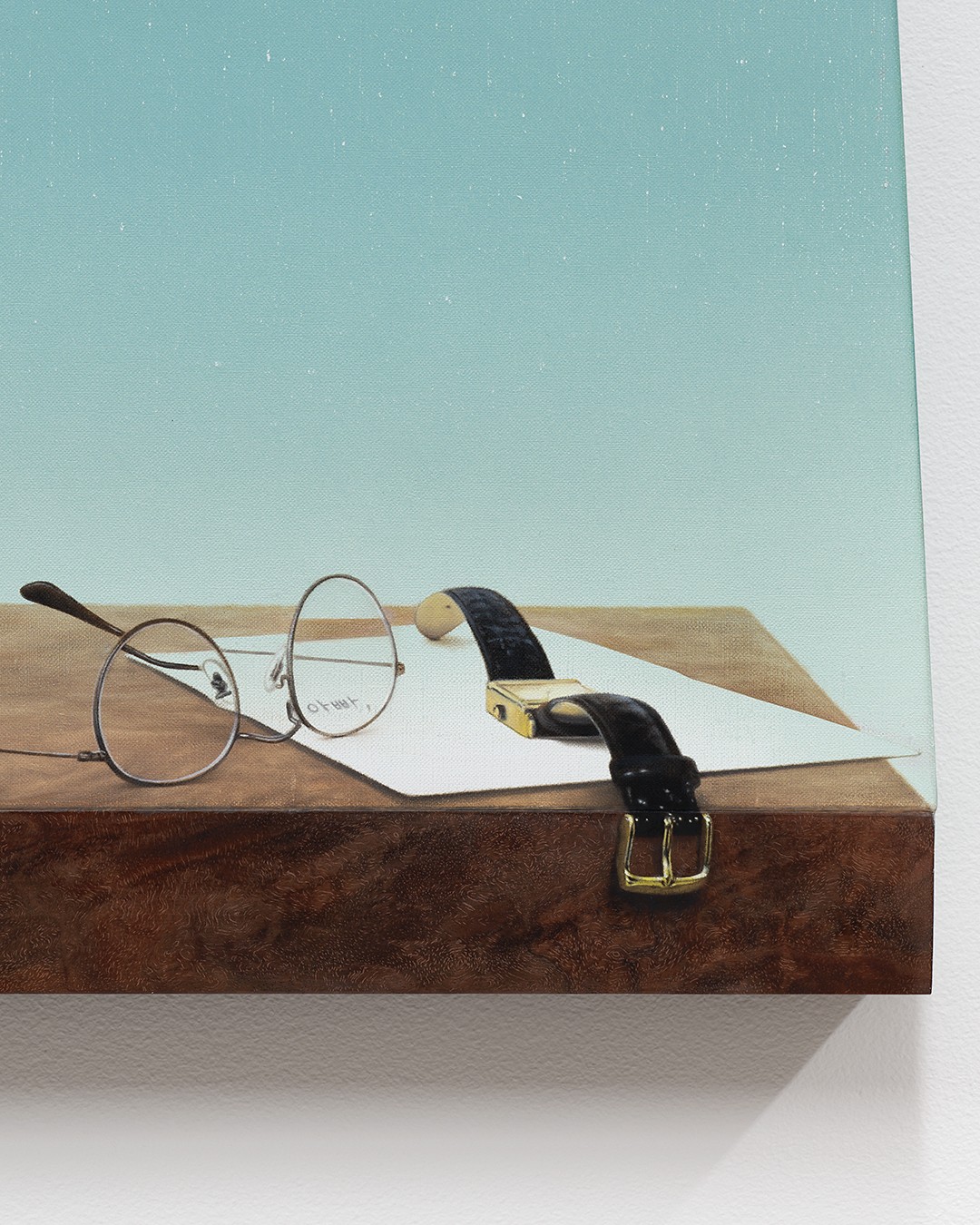
Ahn’s visual vocabulary includes Korean ceramic vessels, candles, moths, fireflies, cranes, watches, eyeglasses, and pieces of wood. These objects often function as surrogates for the human figure. Their presence suggests a person who has recently departed from the room, while their fragility reminds us that every material form remains subject to time.

Light is central to this language. A candle may illuminate a vessel from beyond the expected boundary of the image. A firefly becomes both a physical source of brightness and a symbol of a moment that cannot be held. Reflections multiply what is present, but they also suggest what is no longer there.
When Grief Changed the Frame
Ahn is the elder son of the late Ahn Sung-ki, one of the most respected figures in Korean cinema. The actor died on January 5, 2026, at the age of 74, following years of treatment for blood cancer.
The emotional transformation of the artist’s work, however, began several years earlier.
After his father was diagnosed in 2020, Ahn experienced an extended period of uncertainty. His work became fragmented, moving between painting and sculpture without a stable visual center. By 2023, as it became increasingly clear that his father was unlikely to recover fully, the artist began reconsidering both the imagery and physical construction of his work.
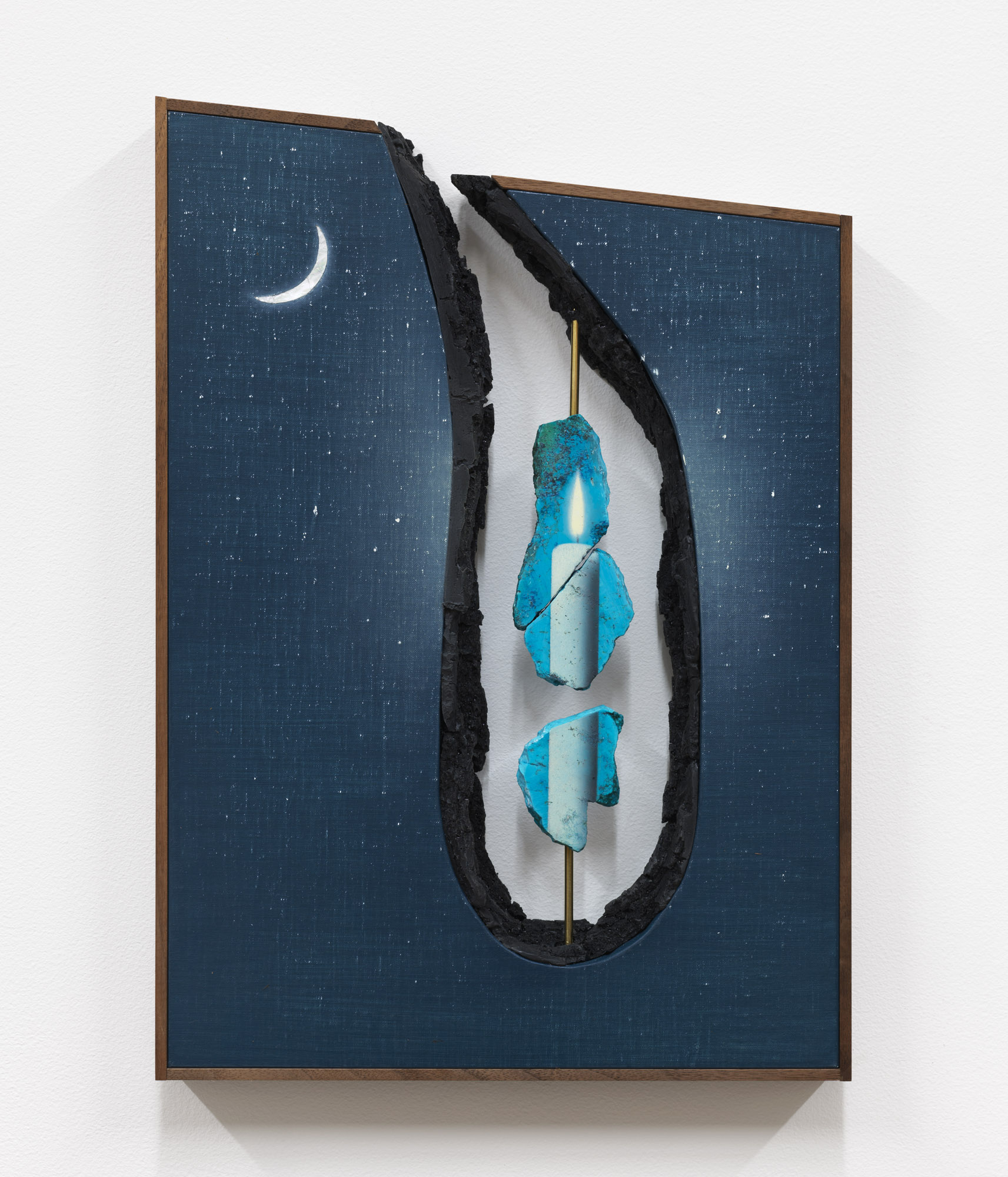
He discarded much of what he had been making and began again with a modest image painted along the side of a frame: a single taper candle.
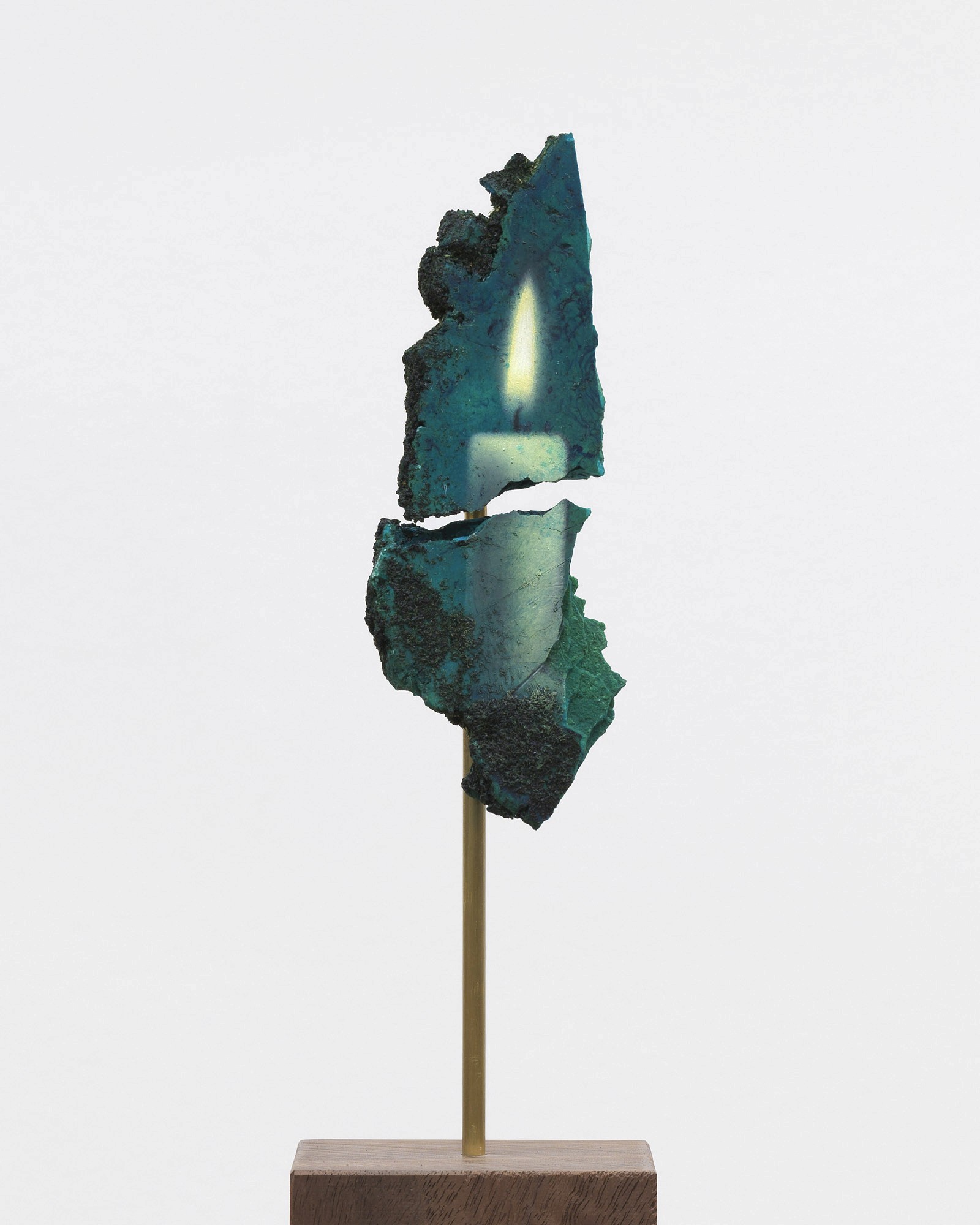
The process was repetitive and meditative. From that small flame emerged a new body of work in which sorrow was not represented through dramatic scenes but absorbed into the structure of the painting itself. Frames were carved open. Images appeared at their edges. Candles and fragments of porcelain occupied uncertain positions between endurance and disappearance.
The work gradually moved away from overwhelming sadness toward something quieter and more hopeful. The candle was not only a symbol of mourning. It was also a source of warmth and the possibility that light might continue even within darkness.
Golden Days in Los Angeles
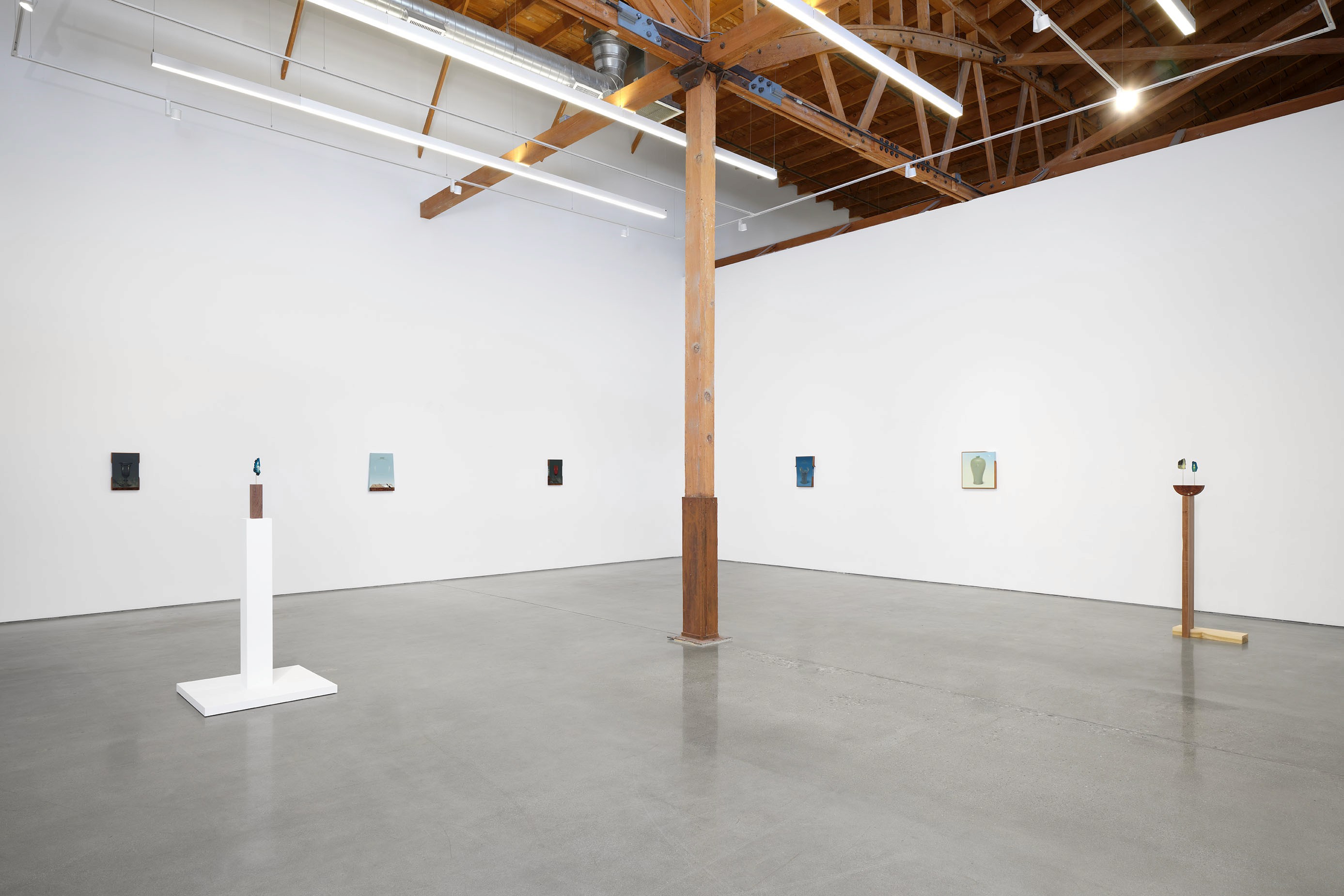
Less than two weeks after Ahn Sung-ki’s death, Dabin Ahn’s solo exhibition Golden Days opened at François Ghebaly in Los Angeles.
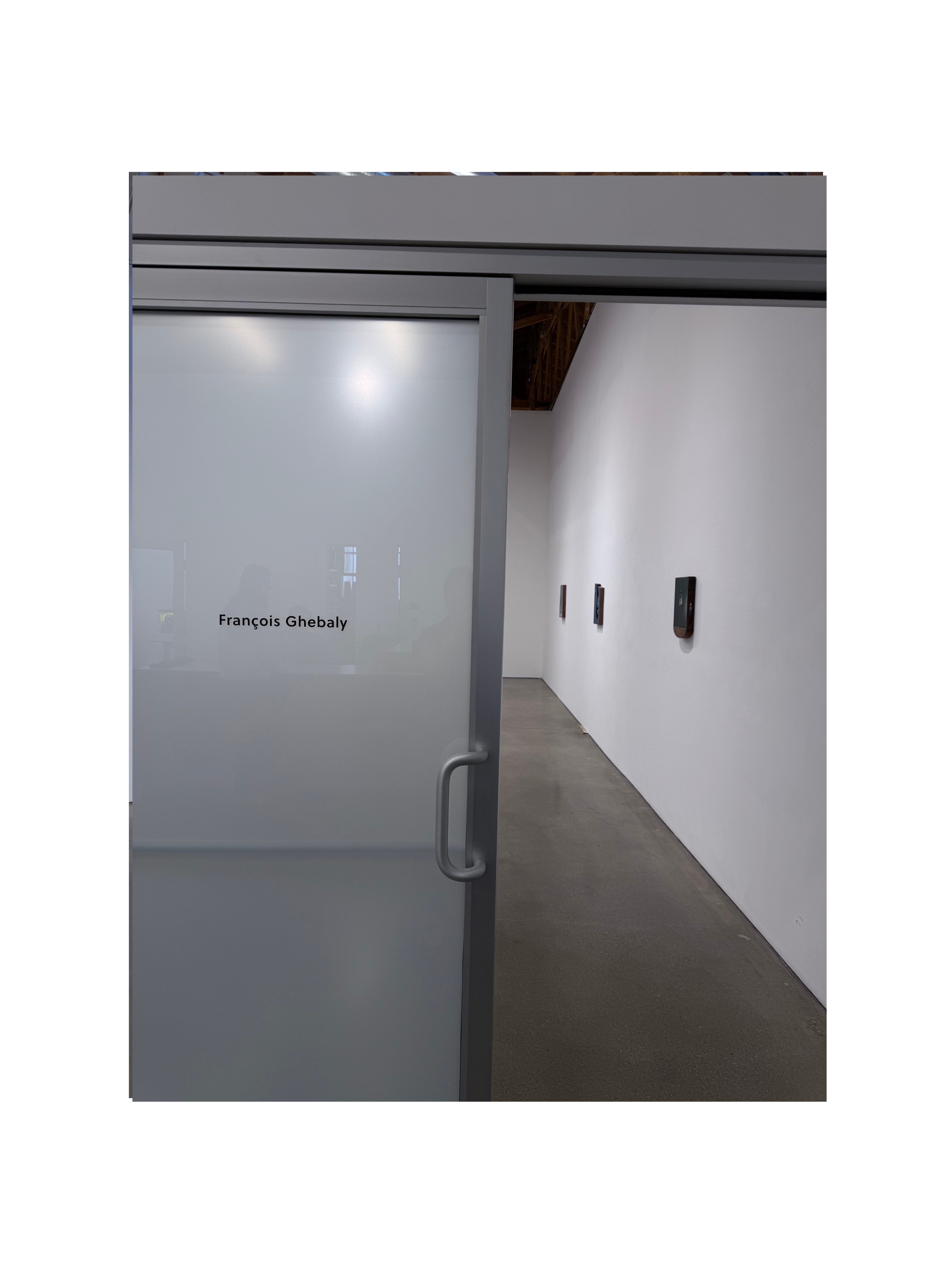
Presented from January 17 through February 14, 2026, the exhibition brought together ten paintings and two sculptures exploring remembrance, presence, and impermanence. Personal effects, Korean vessels, candlelight, insects, and carefully constructed wooden frames appeared throughout the installation.
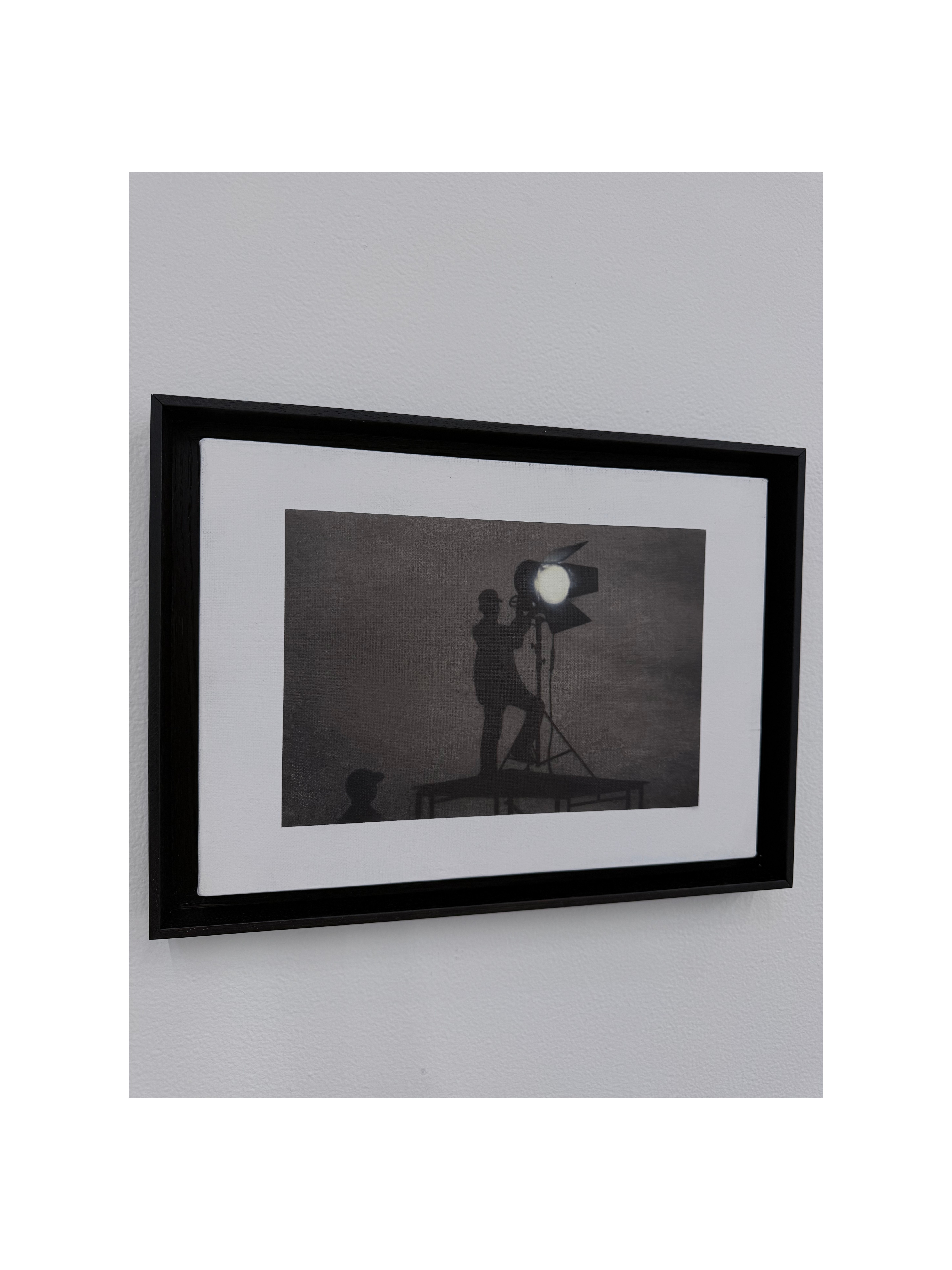
Although much of the work had been created before his father’s passing, the exhibition inevitably acquired a new emotional gravity.
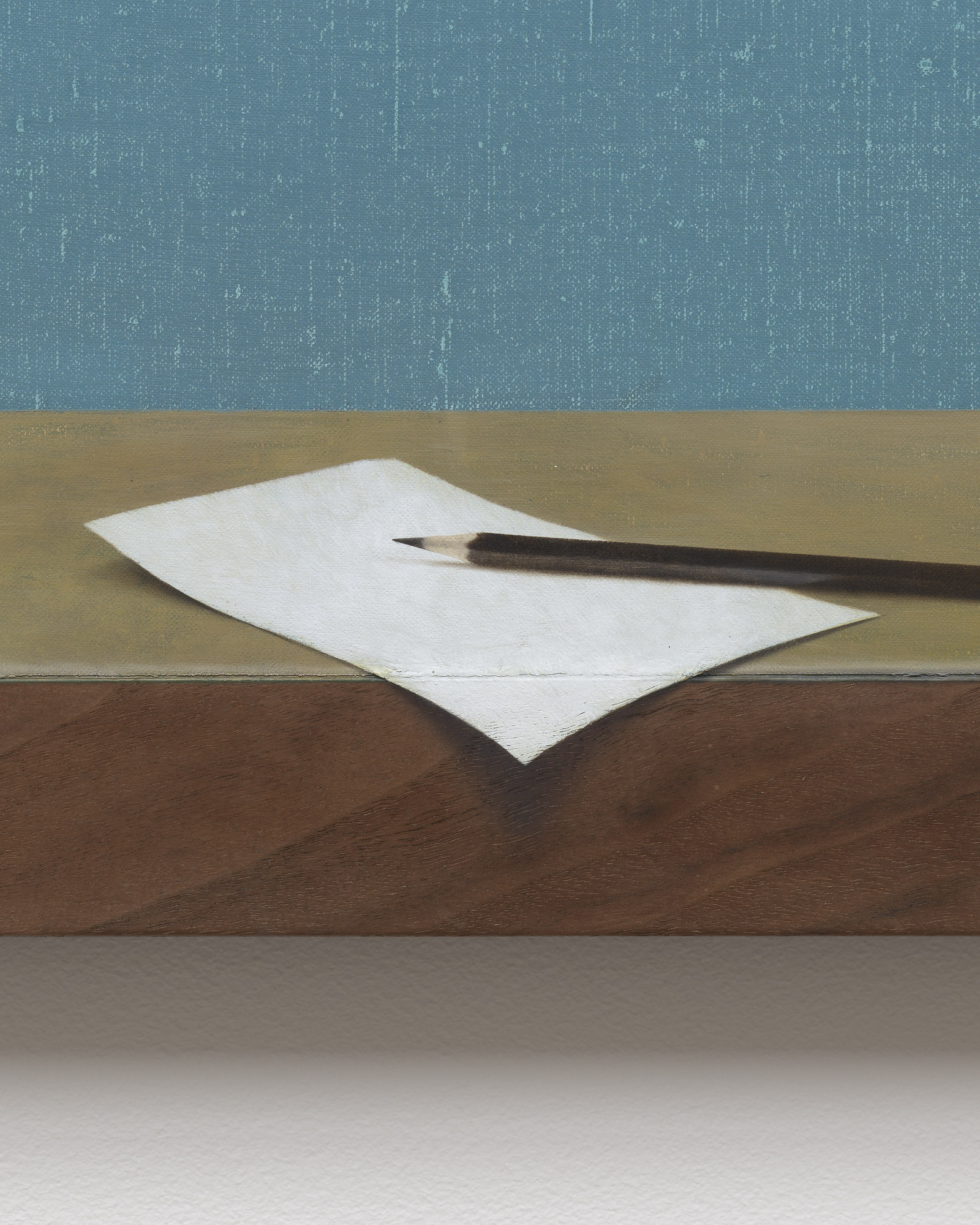
In Untitled Dad, a paper note and pencil rest on a small wooden table while the faint silhouette of a vessel hovers above them. Objects such as watches and eyeglasses create a simultaneous sensation of presence and absence. They appear intimate enough to belong to someone specific, yet universal enough to awaken the viewer’s own memories.
The exhibition’s candles took on an almost devotional quality. Their flames did not monumentalize loss. They created small, protected spaces through which memories could remain visible.
Golden Days was therefore not merely an exhibition about grief. It was an attempt to preserve warmth. Its title suggested that the most meaningful moments may only become fully visible once they have already passed.
Frieze New York 2026
Ahn’s work continued this exploration at Frieze New York 2026, held at The Shed from May 13 through May 17.
Presented by François Ghebaly as part of a joint presentation with São Paulo gallery Almeida and Dale, Ahn showed new works including Torso Full Moon and Behind the Lights. The works expanded the painted image into sculptural forms, combining shaped panels, mother of pearl, resin, constructed surfaces, and nocturnal imagery.
Within the fast moving environment of an international art fair, the restraint of Ahn’s work became particularly pronounced.
The viewer was not confronted with a single dominant image. Instead, depth and distance remained active within apparently flat surfaces. Object, reflection, light, and movement were naturally connected, forming a perceptual structure that seemed to exist somewhere between painting and film, memory and physical space.
More than anything, the work was defined by speed.
It did not demand an urgent reaction. Through a deliberately slow rhythm, it changed the viewer’s experience of time. That quiet adjustment was perhaps its greatest strength. Rather than competing with the visual noise of the fair, Ahn created a reason to look longer.
Preserving What Cannot Remain
There is a subtle continuity between Ahn’s family history and his artistic language.
His father built emotion through the cinematic frame, using gesture, silence, and duration to shape the experience of an audience. The son constructs physical frames that guide the eye through reflections, objects, shadows, and intervals of time. The relationship should not be reduced to inheritance, yet the influence of cinematic composition and emotional pacing remains present within Ahn’s practice.
Ahn’s works do not attempt to make fleeting moments permanent. Instead, they acknowledge that permanence is impossible.
What they preserve is something less tangible: the temperature of a memory, the movement of leaves reflected in glass, the moon crossing a small screen, the light left behind on an object after someone has gone.
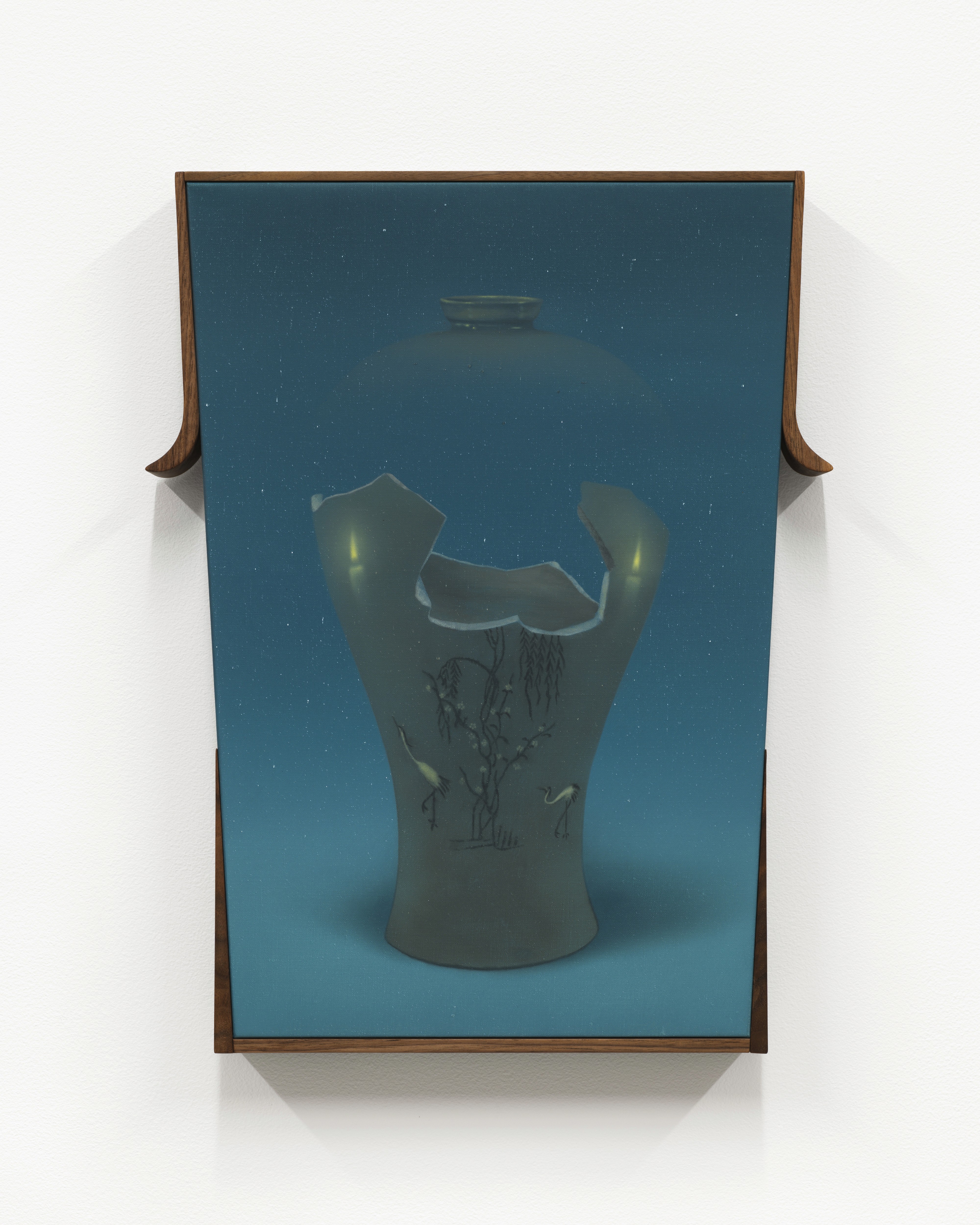
His art occupies the space between holding and releasing.
It reminds us that a quiet image can sometimes remain longer than a dramatic one, and that grief does not always announce itself through darkness. Sometimes it appears as a small flame, carefully protected within the edge of a frame.
