The New Luxury Race
THE NEW LUXURY RACE
Luxury fashion is undergoing one of its most consequential creative resets in years.
Within a remarkably short period, three of the world's most recognizable fashion houses have placed their futures in new hands: Matthieu Blazy at Chanel, Jonathan Anderson at Dior and Demna at Gucci.
On the surface, this is a story about creative directors.
Look more closely, however, and it becomes a story about something larger: an industry trying to understand what consumers still consider worth wanting.
For years, scarcity, heritage and steadily rising prices helped sustain the mythology of luxury. Today, those assumptions are being tested.
Consumers have become more selective. Growth across major markets has become harder to secure. And some of the world's largest houses are discovering that recognition alone does not guarantee desire.
Three designers are confronting that reality in three very different ways.
CHANEL
Matthieu Blazy and the Advantage of Time

Matthieu Blazy © CHANE
Matthieu Blazy was appointed Artistic Director of Fashion Activities at Chanel in late 2024 and presented his debut Spring Summer 2026 collection at the Grand Palais in Paris in October 2025.
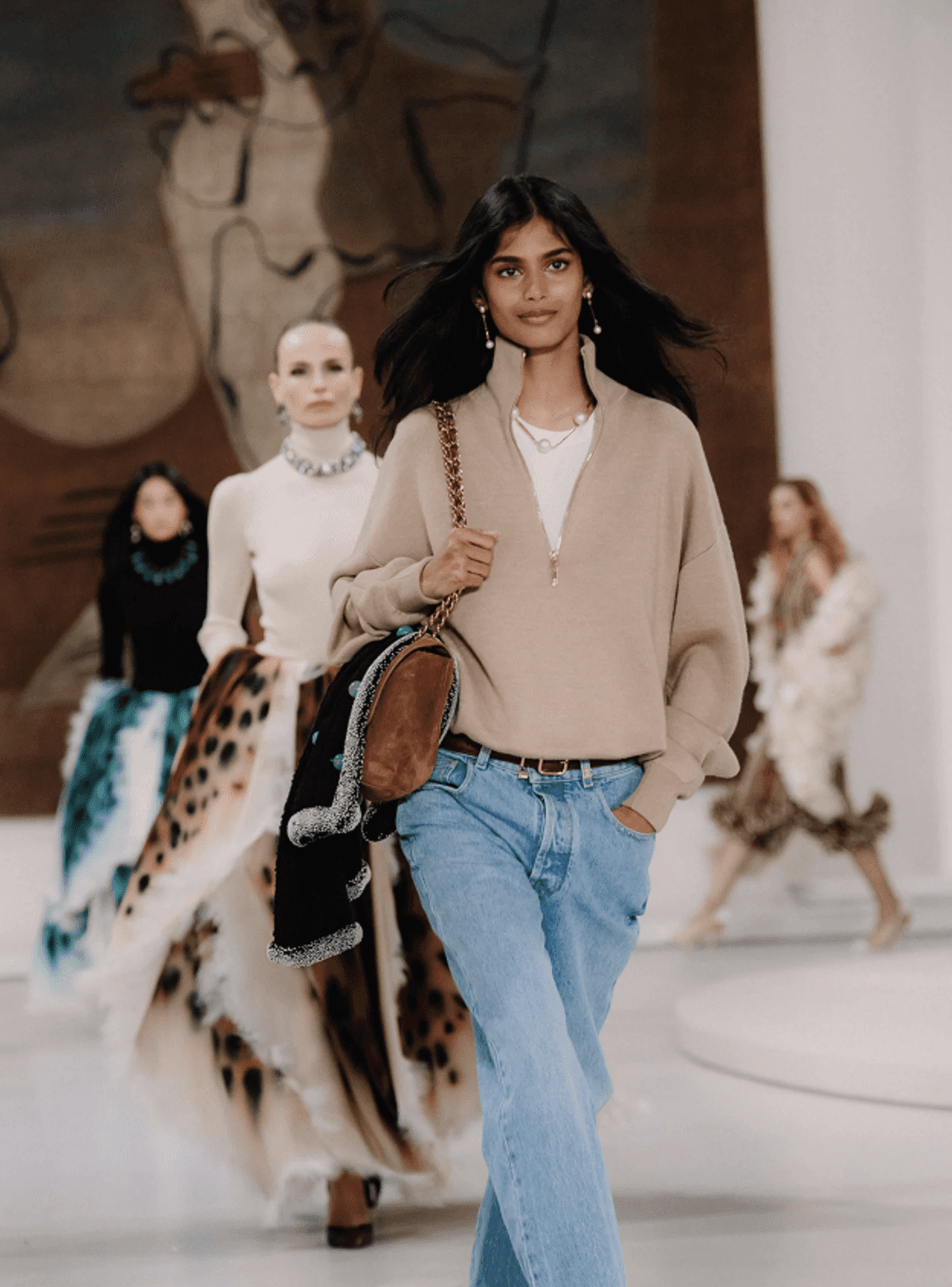
Rather than abandoning Chanel's familiar vocabulary, Blazy began reworking it.
Photograph by David Bailey © CHANEL
Tweed, tailoring, handbags and the codes associated with Gabrielle Chanel remained recognizable, but their proportions, materials and attitude began to change.
The response was immediate.
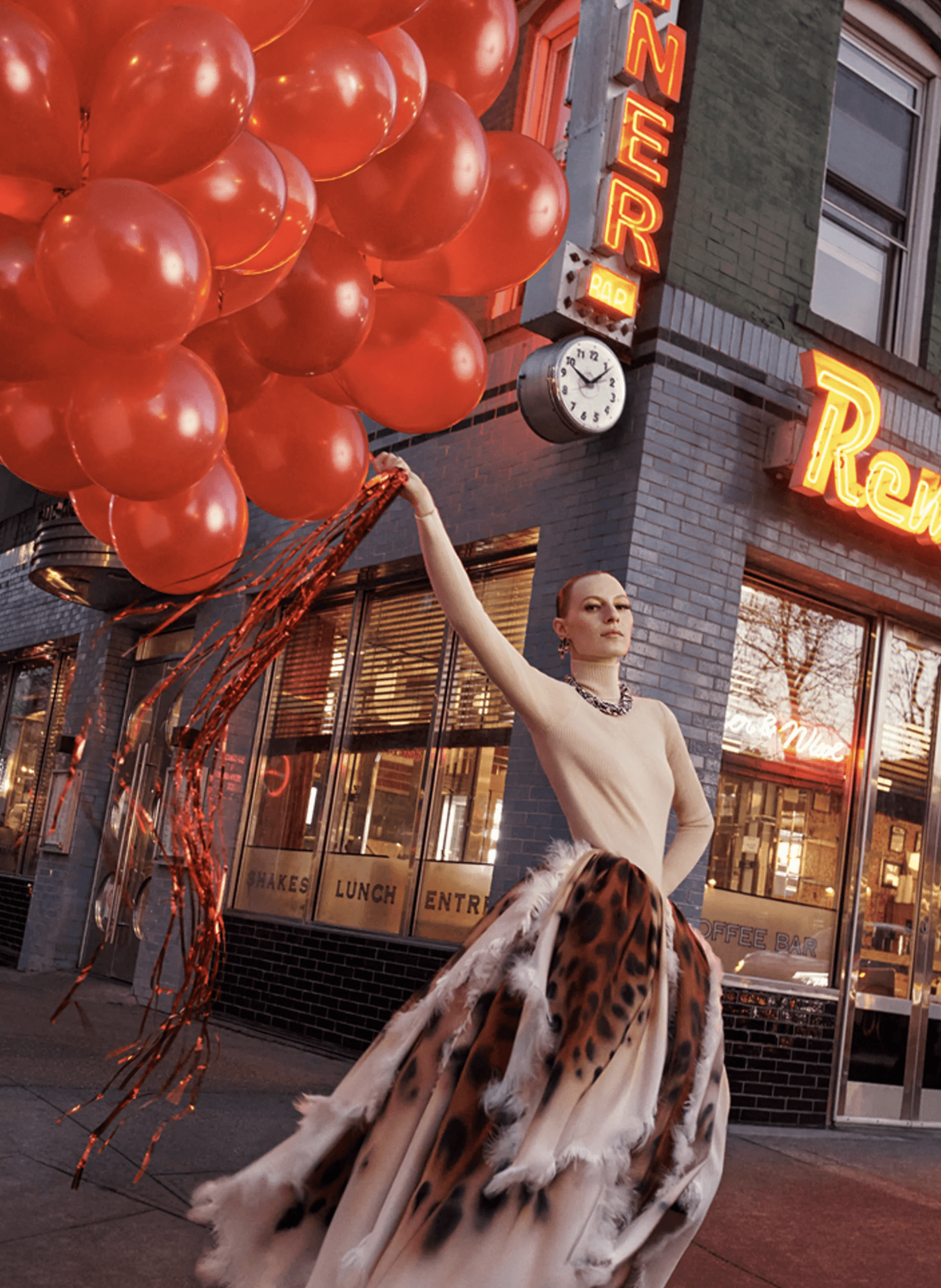
Blazy's first Métiers d’art collection
According to Bloomberg reporting cited by Reuters, Chanel's comparable revenue increased approximately 16% in the first half of 2026, with Blazy's first collections reaching stores in March. U.S. sales reportedly rose more than 25%, while watches and fine jewelry grew approximately 35%.
Chanel itself does not publish half year results and declined to comment on those figures.
Still, the reported performance is notable in a luxury market where many competitors have struggled to generate meaningful growth. Investing.com
Chanel also possesses an important structural advantage.
It remains privately owned.
Without the same quarterly pressures facing publicly traded luxury groups, the house can potentially give a creative transition one of the industry's increasingly scarce resources:
time.
Blazy's challenge now is no longer simply to make a successful debut.
It is to turn renewed excitement into lasting desire.
DIOR
Jonathan Anderson and the Power of Reinvention

Dior Spring Summer 2026 by Jonathan Anderson, exploring the House's history while forging a new path forward.
Credit: Courtesy of Dior
Jonathan Anderson faces a different problem.
Dior does not need to rediscover its name.
It needs to make one of the world's largest luxury houses feel surprising again.
After transforming Loewe into one of contemporary fashion's most closely watched creative brands, Anderson took over Dior in 2025.

onathan Anderson reinterprets the Lady Dior for a new generation.
Credit: Photograph by David Sims / Courtesy of Dior
His impact is already visible commercially.
LVMH reported that Fashion & Leather Goods returned to organic growth in the second quarter of 2026, increasing 1%, after declining 2% in the first quarter.
For the first half overall, the division remained down 1% organically.
But LVMH specifically identified the success of Jonathan Anderson's first designs for Christian Dior as one of the factors behind the group's accelerating second quarter growth. The company described the beginning of his tenure as an “excellent start,” highlighting the strong reception of the new Cigale bag. LVMH
And that distinction matters.

The Dior Cigale, designed by Jonathan Anderson and inspired by the architectural lines of Christian Dior's 1952 gown.
Credit: Courtesy of Dior
Almost every major luxury house can offer craftsmanship, expensive materials, celebrity ambassadors and spectacular runway productions.
The harder question is:
Why this house?
Why Dior instead of Chanel?
Why Gucci instead of Dior?
When excellence becomes expected, identity becomes the differentiator.
Anderson's task is therefore larger than designing desirable objects.
He must make Dior feel necessary again.
GUCCI
Demna and the Hardest Turnaround

Demna, Artistic Director of Gucci.© Demna

GucciCore 2027. Demna continues to build a new visual language for Gucci.
Credit: Courtesy of Gucci
Gucci represents perhaps the most difficult test of the three.
After extraordinary expansion during the Alessandro Michele era, the house entered a prolonged period of declining sales and creative uncertainty.
Sabato De Sarno's tenure failed to reverse that trajectory, and in 2025 Kering appointed Demna as Gucci's new Artistic Director.
Demna arrived with enormous cultural visibility after transforming Balenciaga into one of the defining fashion brands of the previous decade.
But Gucci requires more than attention.
It requires recovery.
There are now early indications of improvement.
Gucci generated €1.41 billion in revenue in the second quarter of 2026, declining 2% on a comparable basis. While still negative, that represented a seven percentage point improvement in directly operated retail compared with the first quarter.
For the first half, Gucci generated €2.757 billion, down 5% on a comparable basis.
Kering said new collections were gaining traction and pointed to improving client engagement, stronger brand visibility and positive retail trends. Kering
Then came Milan.
On September 25, Demna presented Gucci's Spring Summer 2027 “The Store Show,” describing it as his first complete personal vision for the house.
Instead of treating Gucci simply as an archive of recognizable codes, the collection explored characters, attitudes and the tension between respectability and sensuality.
It offered the clearest indication yet of where Demna intends to take the house. MiNDFOOD
But Gucci is simultaneously experimenting with another, potentially more complicated equation:
accessibility.

The Drip, Demna's first sneaker for Gucci, reflects the House's evolving approach to product, price and production.
Credit: Courtesy of Gucci
The new Drip sneaker, one of Demna's first Gucci products, is manufactured in China and sells for approximately $1,000 in the United States. Gucci says the manufacturing decision reflects specific technical requirements and emphasizes that Italy remains central to the house.
The move nevertheless raises a larger luxury question.
How far can a house broaden its audience without weakening the provenance and exclusivity upon which its value was built? Reuters
Demna is therefore attempting something more difficult than visual reinvention.
He must rebuild cultural relevance, product desire and commercial growth at the same time.
LUXURY HAS A BIGGER PROBLEM
The transformations at Chanel, Dior and Gucci arrive as luxury itself confronts a more fundamental problem.
For years, major houses raised prices while global demand appeared almost limitless.
That strategy generated extraordinary margins.
It also changed the relationship between brands and consumers.
Today, even wealthy clients are becoming more sensitive to the relationship between price and value. Industry executives are also observing a broader shift in discretionary spending toward wellness, health, longevity, hotels, restaurants and experiences. MarketScreener UAE Emirates
That means Chanel is no longer competing only with Dior.
And Gucci is no longer competing only with Chanel.
A handbag may now be competing with a week in Italy.
A private wellness retreat.
An extraordinary restaurant.
Or simply the decision not to buy another handbag at all.
That changes the meaning of value.
A new creative director can generate attention.
A runway show can dominate social media.
A celebrity campaign can generate millions of impressions.
None of those things automatically creates lasting desire.
WHAT COMES NEXT
Blazy, Anderson and Demna are entering their houses at a moment when fashion needs more than another successful collection.
Chanel must prove that creative momentum can become sustained growth.
Dior must distinguish itself inside an increasingly crowded luxury landscape.
Gucci must recover an identity powerful enough to complete its commercial turnaround.
Their approaches are different.
The question confronting all three is the same.
What makes luxury worth wanting?
Perhaps the next era will not belong to the house that produces the loudest campaign or raises prices the fastest.
It may belong to the house that can once again convince people that what it creates has meaning beyond the name printed on it.
