Journey There: Thinking About Death, Learning How to Live
Sanghee Gil
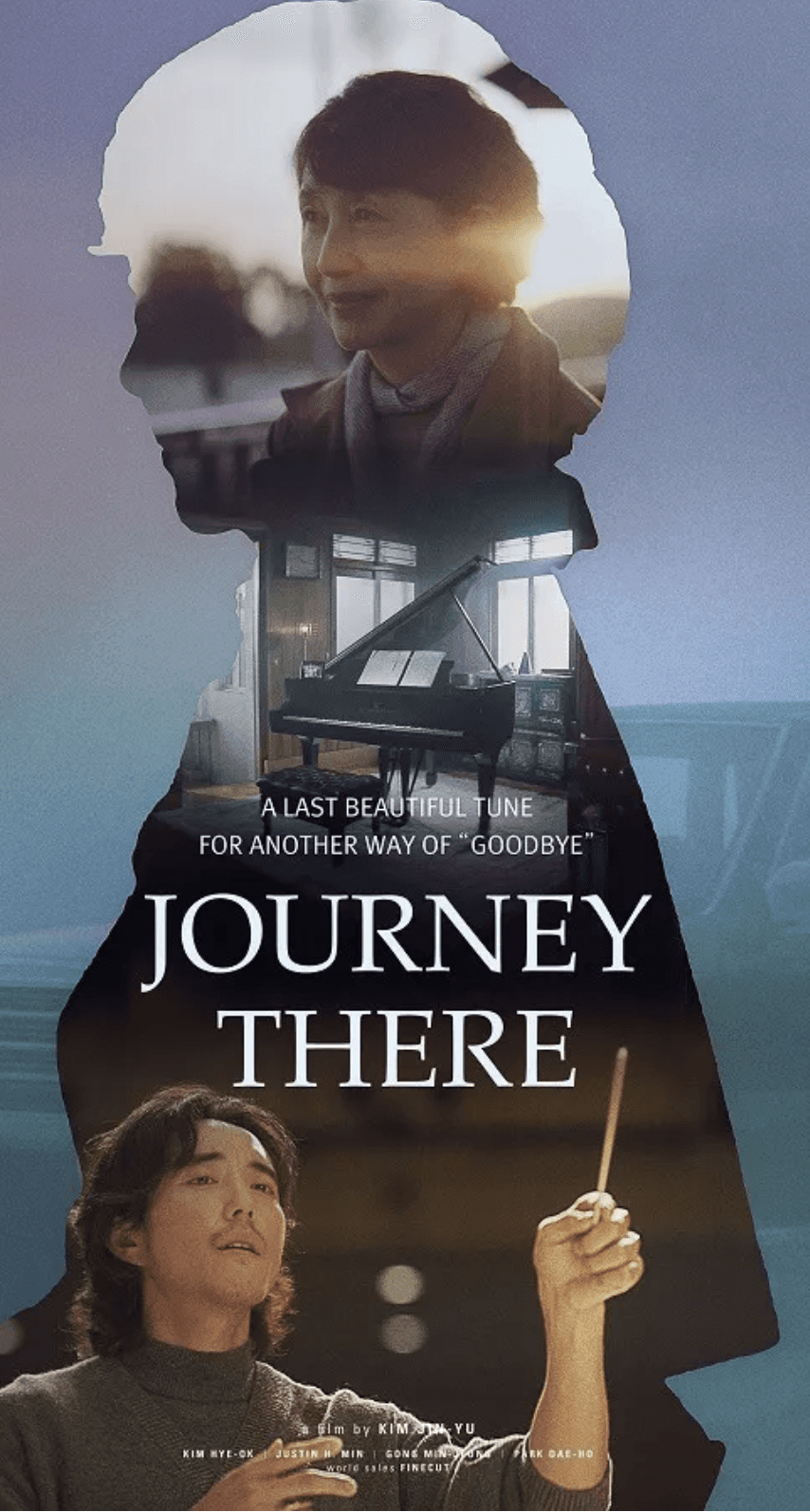
Life is given only once.
Death, too, is something no one can escape.
Yet questions surrounding how life should end—and whether a person has the right to choose that ending—remain among the most difficult ethical debates of our time. While some argue for personal autonomy and the right to die with dignity, others emphasize the sanctity of life and express concern about the social pressures that may influence vulnerable individuals.
Director Kim Jin-yu's second feature film, Journey There, begins with this complex question.
But the film is not ultimately about choosing death.
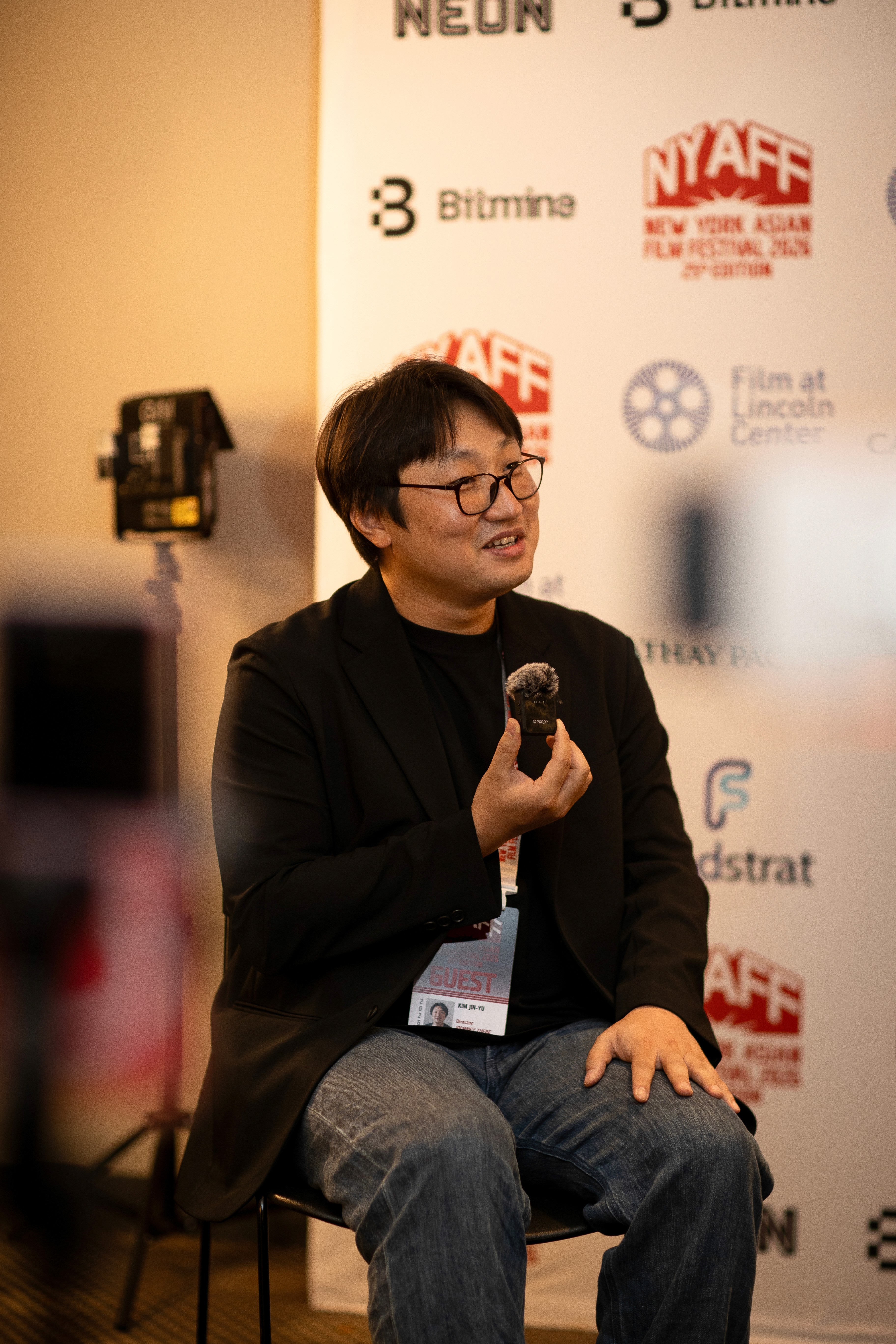
During his interview with Brunch Magazine, Kim explained that once a person has truly contemplated death, the way they look at life afterward may never be the same.
The question, then, is not simply how we die.
It is how we choose to live after confronting the reality of death.
A Story About Someone Preparing to Leave Life—Until Life Returns
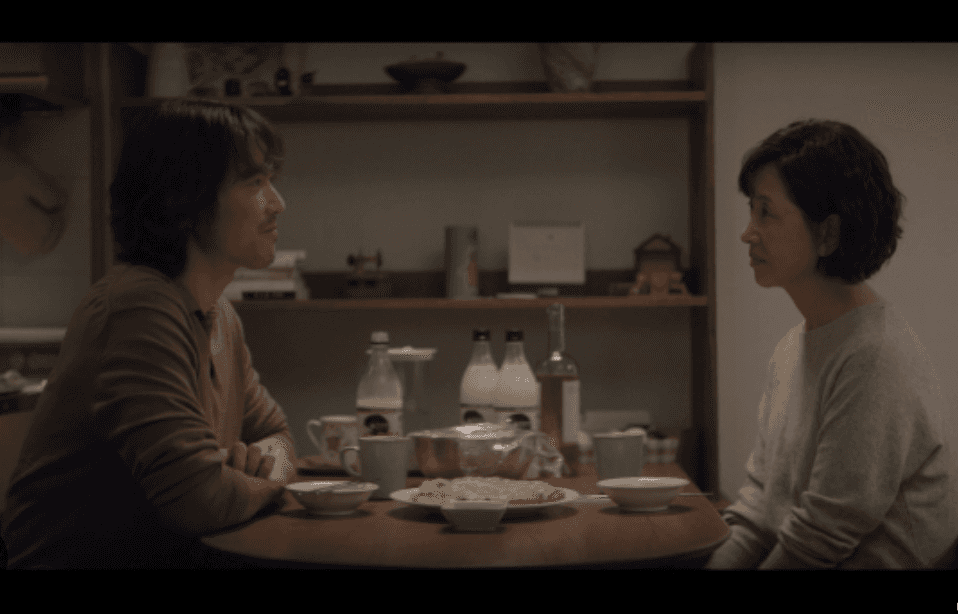
Journey There follows a widow who has begun preparing for the end of her life.
As she puts her affairs in order, an unexpected encounter changes the direction of her journey. A grand piano left behind by her late husband and the arrival of a Korean adoptee conductor gradually reopen a life that had already begun to close.
The New York Asian Film Festival describes the film as the story of "a widow preparing for assisted death whose life begins to change after an unexpected connection with a Korean adoptee conductor."
Rather than reducing its subject to an abstract ethical debate, the film grounds its questions in human relationships. Through people who carry different forms of loss, Journey There explores how connection can reshape one's understanding of life itself.
A Film That Speaks About Life While Discussing Assisted Death
During his conversation with Brunch Magazine, Director Kim Jin-yu spoke about several real-life events that inspired the film.
Among them was the death of legendary French filmmaker Jean-Luc Godard, who chose physician-assisted death in Switzerland in 2022. His decision reignited international conversations about personal autonomy, dignity, and the ethical boundaries of end-of-life care.
Another case that drew the director's attention was that of former Dutch Prime Minister Dries van Agt and his wife Eugenie van Agt-Krekelberg, who chose to die together through legal euthanasia in the Netherlands in 2024. Their passing once again brought global attention to one of the world's most debated ethical issues.
Even in countries where euthanasia is legally permitted, such decisions are governed by strict legal requirements and medical oversight. They are never treated as simple matters of personal preference.
These stories became part of the background from which Journey There emerged.
Yet Director Kim made it clear that the film is not intended to argue either for or against assisted dying.
Instead, he said,
"I wanted to help them find a reason to keep living."
His interest lies not in death itself, but in the possibility that life may still have something left to offer.

Continuing a Lifelong Conversation About Human Connection
Journey There is Kim Jin-yu's second feature film.
His debut feature, Bori, drew heavily from his own experience growing up as a hearing child of deaf parents. As a CODA (Child of Deaf Adults), Kim explored communication, family, and belonging through the eyes of a young girl navigating two different worlds.
The themes introduced in Bori continue in Journey There.
While the subject has expanded from communication to mortality, Kim's focus remains remarkably consistent.
His films are less interested in judging people than in understanding them.
Rather than asking whether someone's decision is right or wrong, they ask what kind of life brought that person to such a moment.
Growing up between different ways of experiencing the world undoubtedly shaped Kim's sensitivity toward those who struggle to express themselves or to be understood.
His characters rarely explain everything through dialogue.
Instead, relationships, silence, and small gestures become the language through which people reach one another.
If Bori asked how families learn to communicate despite their differences, Journey There asks another question:
What allows someone who has given up on life to reconnect with it?
Meeting Global Audiences in New York
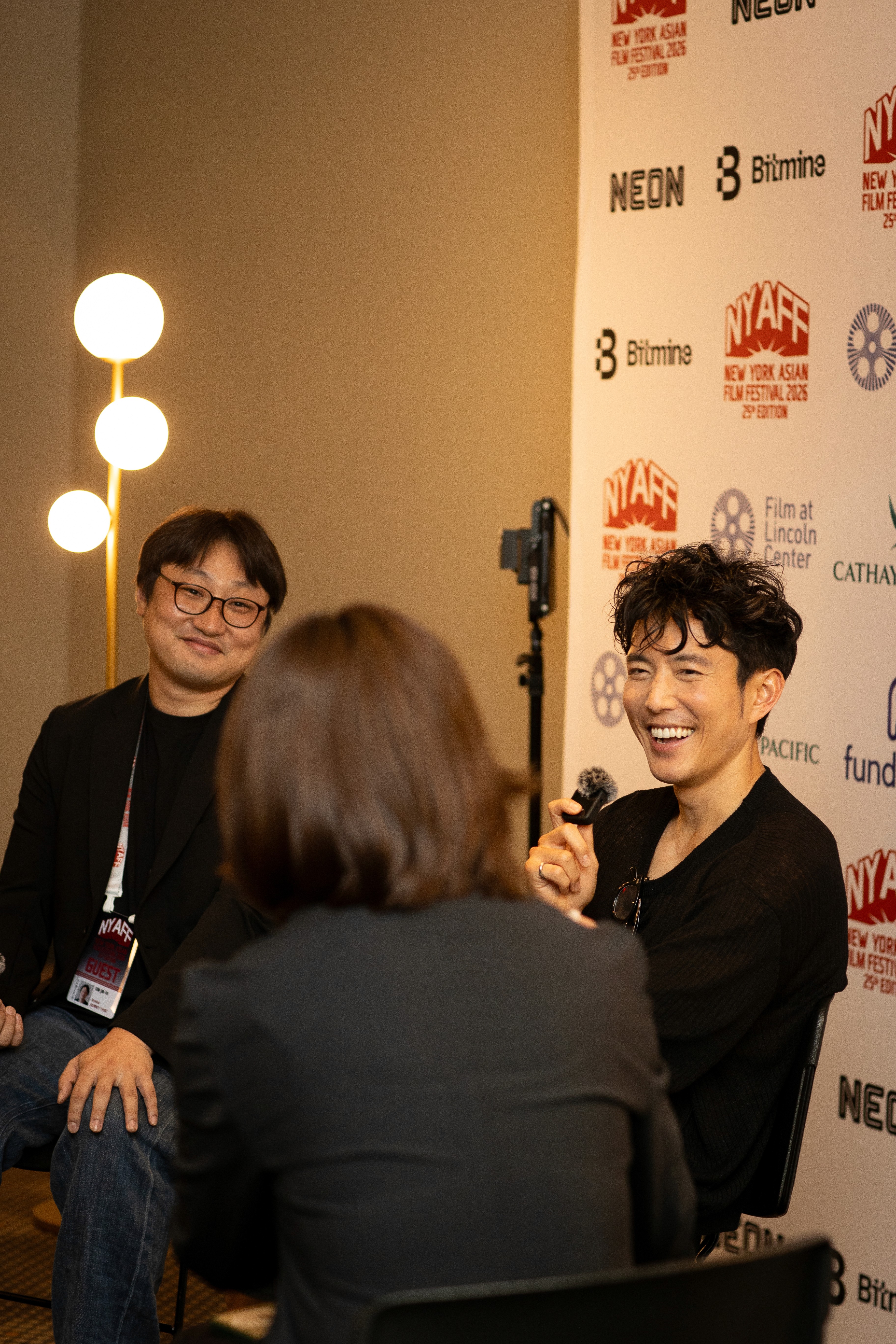
Journey There made its North American premiere at the 25th New York Asian Film Festival.
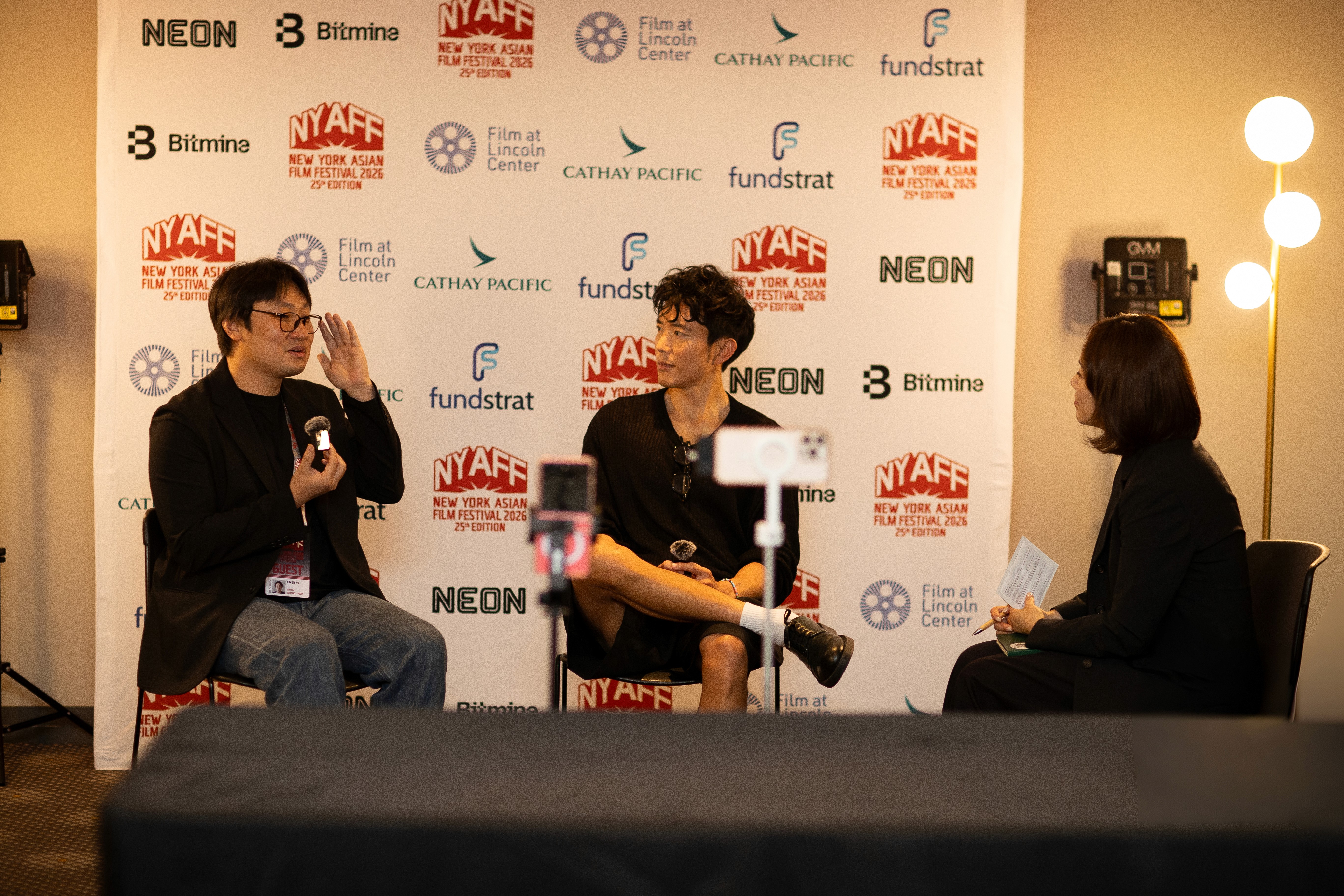
The screening took place at Lincoln Center's Walter Reade Theater, followed by a Q&A with Director Kim Jin-yu and actor Justin H. Min.
The New York Asian Film Festival is more than a showcase of Asian cinema.
It serves as an international platform where stories rooted in specific cultures are introduced to audiences from around the world.
The questions raised by Journey There—death, loss, family, dignity, and human connection—extend far beyond Korea.
As societies around the world continue to grapple with aging populations, advances in medical technology, and ethical questions surrounding end-of-life care, these conversations have become increasingly universal.
The film's presence in New York therefore represents more than the international presentation of a Korean production.
It invites audiences from different cultures to engage with questions that ultimately belong to all of us.
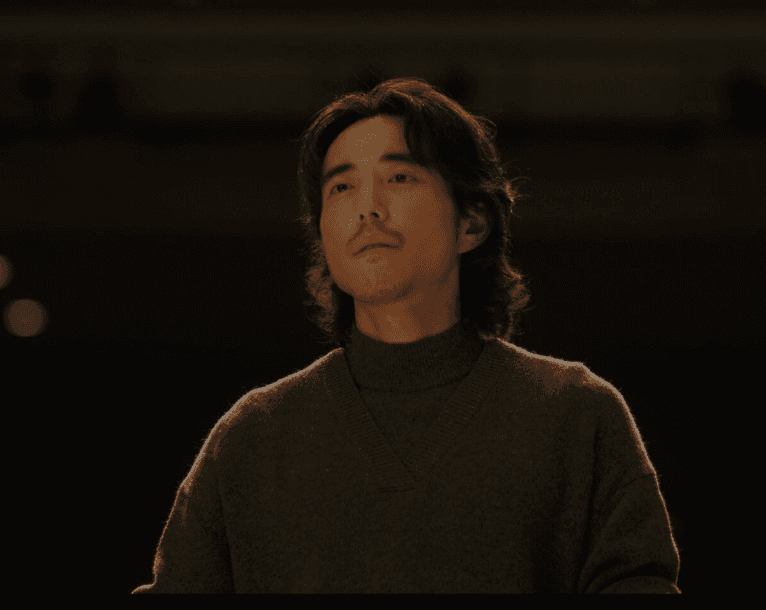
Justin H. Min and a Character Living Between Worlds
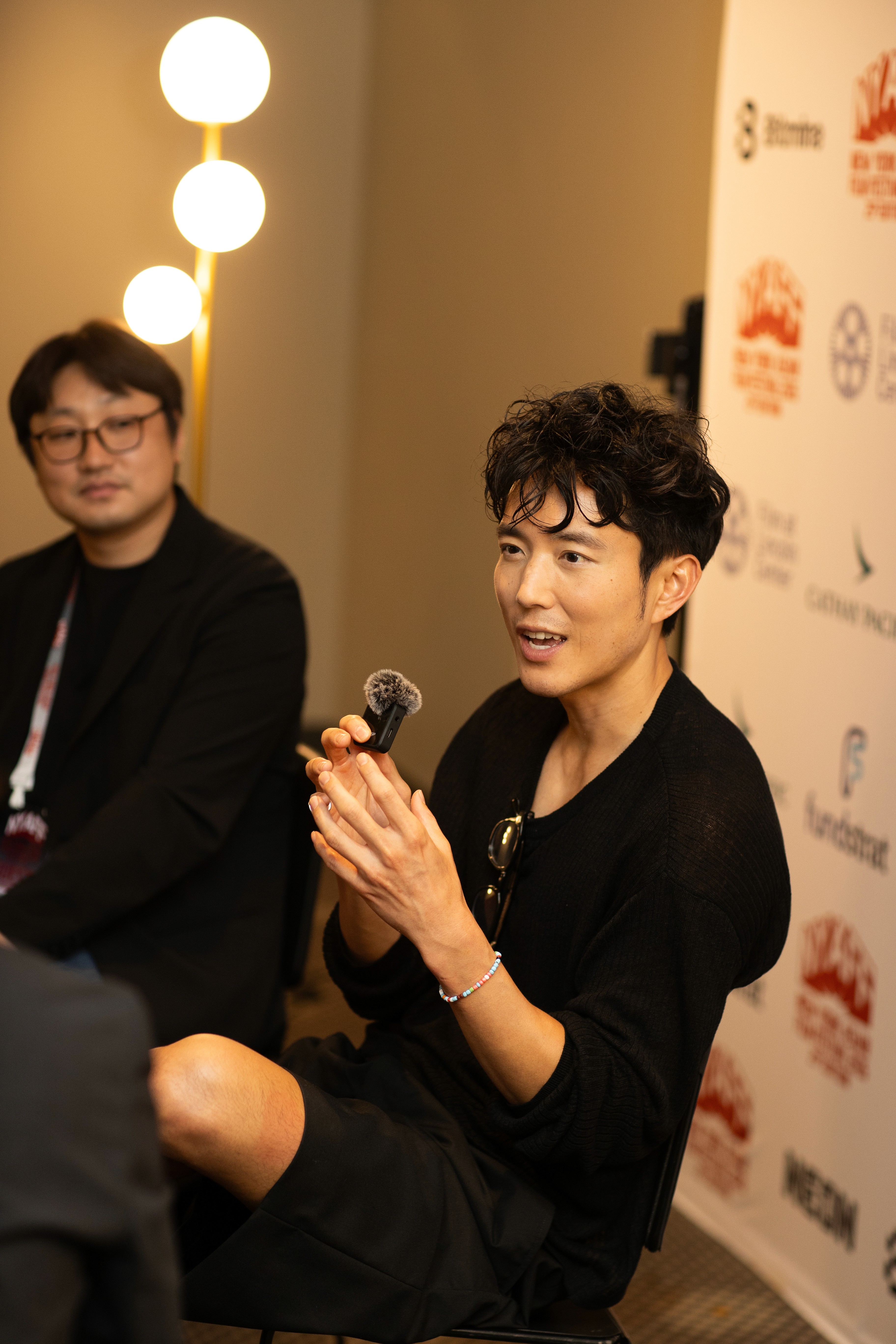
Justin H. Min portrays Min-jun, a Korean adoptee raised overseas who returns to Korea in search of his roots.
His journey becomes more than a search for identity.
It evolves into an encounter with people carrying their own grief, leading him toward a deeper understanding of family beyond blood ties.
As a Korean American actor, Justin H. Min has often spoken about identity, belonging, and the experience of navigating multiple cultures.
While an actor should never be equated with the character he portrays, those lived experiences naturally lend authenticity to Min-jun's emotional journey.
During the interview, Justin approached every question thoughtfully and without haste.
His calm demeanor and quiet sincerity reflected the emotional restraint that defines the film itself.
Min-jun is not portrayed as someone who rescues others.
Instead, he remains present.
He listens.
He allows relationships to form.
It is through those relationships that Journey There suggests life can begin again.

The Continuing Debate Around Assisted Dying
Around the world, discussions surrounding euthanasia and assisted dying continue to evolve.
Some countries—including the Netherlands, Belgium, and Canada—permit various forms of medically assisted death under strict legal conditions.
Others continue to prohibit the practice entirely.
The debate reaches beyond law.
It raises questions about personal autonomy, dignity, medical ethics, family responsibility, and the protection of vulnerable people.
Supporters emphasize the right of individuals to make decisions about their own lives.
Critics caution that social isolation, disability, aging, or economic hardship may influence those decisions in ways that deserve careful consideration.
Journey There does not attempt to resolve these debates.
Instead, it asks whether there may still be relationships, hope, or reasons to continue living even when someone believes there are none.
Before and After Thinking About Death
During the interview, Director Kim remarked that once a person has truly reflected on death, the way they see life afterward may change.
That statement reveals the film's central concern.
Rather than asking audiences to decide whether assisted death is right or wrong, Journey There asks what happens after we become aware of life's finiteness.
How do we choose to spend the time that remains?
Whom do we want beside us?
What deserves forgiveness?
What truly matters?
The film does not provide definitive answers.
Instead, it allows these questions to remain with the audience long after the credits end.
Speaking About Death in Order to Better Understand Life
The New York Asian Film Festival has long been a place where Asian cinema meets global audiences.
Journey There was invited not simply because it is a Korean film, but because the questions it raises transcend geography.
Death comes to everyone.
Loss belongs to no single culture.
Neither does regret.
Neither does the search for meaning.
For that reason, Journey There is not only a Korean story.
It is a human story.
Director Kim Jin-yu never attempted to offer easy answers.
Rather than persuading audiences toward one position or another, he hopes they will leave the theater asking questions of their own.
If one day we are forced to confront the end of our lives, what choices would we make?
And before that day arrives, are we truly living the life we have been given?
There are no universal answers.
Yet, as Director Kim reflected during our conversation, once we have seriously contemplated death, the way we understand life may never be the same.
Ultimately, Journey There asks a question that extends far beyond the subject of death itself:
After we have confronted mortality, how should we choose to live?
© 2026 Brunch Magazine. All rights reserved. Unauthorized reproduction, distribution, publication, or use of any text or photographs is strictly prohibited and may result in legal action.
